WP_Post Object
(
[ID] => 3095
[post_author] => 2
[post_date] => 2021-08-12 16:05:40
[post_date_gmt] => 2021-08-12 16:05:40
[post_content] => 'Gold is not a human right. Housing is.'
Between 2012 and 2021, Berlin’s median rent rose by over 70 percent. The cost of housing did not skyrocket because the city suddenly became a better place to live, but because investors looking for a secure place to park their money discovered the German capital. Over the past 30 years, in major cities around the world, corporations have been buying up huge swaths of domestic properties as profitable investments. As a result, habitable and affordable housing has become exponentially more difficult for ordinary people to find and keep.
In “Push,” a 2019 documentary that investigates why and how cities have become prohibitively expensive, Leilani Farha, the former U.N. special rapporteur on adequate housing, says that “unbridled capitalism” has made cities unlivable for all but the rich, with affordable housing now a luxury rather than a necessity. “That’s what differentiates housing as a commodity from gold as a commodity,” Farha says: “Gold is not a human right. Housing is.”
In the film, Farha meets a number of people whose rent has increased so dramatically, essentially overnight, that they have little hope of remaining in their homes. A new management company bought a building in Harlem and raised some residents’ rent by $900 per month, making it impossible for an African-American man to stay in his home of many years unless he could suddenly find a $100,000/year job (around 58 percent of Harlem residents make $60,000 per year or less). Something similar happened to an apartment complex in Uppsala, Sweden, making it extremely difficult for older middle-class residents to stay in their homes without dramatically increasing their incomes—a nearly impossible feat for those unwilling to abandon their communities.
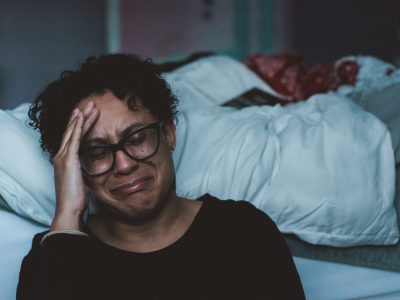
Housing is generally considered affordable when it costs no more than 30 percent of a household’s income. In the United States, nearly 11 million renters spent more than half their income on housing in 2018. That same year, the National Low Income Housing Coalition found that there are no U.S. counties in which a person working full time for the minimum wage could afford to rent a standard two-bedroom apartment. Some people spend so much of their income on housing that they have little left over for food.
The fact that large companies and investors now see housing as a reliable investment vehicle, rather than an essential element of social infrastructure—a phenomenon known as the “financialization of housing”—has transformed houses across the globe into shelters for money, not people. Thousands of dwellings sit vacant in major metropolises, enhancing the portfolios of the wealthy, while tens of thousands of human beings sleep on the streets.
In Berlin, housing activists are pursuing a radical solution: they want to expropriate domestic properties from Germany’s largest landlords and repurpose them as social housing. If housing is a public good, they say, then the public should control it. Among Berliners, 85 percent of whom are renters, this effort has become increasingly popular, with 56 percent saying they either support (47 percent) a proposal to expropriate the properties of large landlords or are undecided (9 percent).
A common argument against expropriation is that governments should be using their limited resources to build more affordable housing. But that solution has been on offer for decades and has yet to halt, or even significantly slow, the broader crisis. Labor and building material costs are prohibitive in many places. Building and land use regulations also pose significant barriers, especially in metro areas. It remains difficult to find both suitable places to build and communities receptive to large-scale public housing projects. Simply building more units is a flawed and partial solution, especially in the absence of significant and consistent funding.
But the Berlin campaign targets enormous, publicly traded companies that own more than 3,000 apartments, like Vonovia and Deutsche Wohnen, Germany’s two largest corporate residential landlords. The two companies recently negotiated an €18 billion merger that set a record for Europe’s largest real estate deal, with a combined market valuation of around €47 billion, or $56 billion. They now collectively own around 550,000 apartments throughout Germany.
Article 14 of the German constitution permits expropriation only for the common good and only in exchange for fair compensation. If Berlin’s housing activists succeed, the government won’t simply seize private units; it will transfer them to the public and compensate the owners, albeit at a rate that some shareholders might not consider sufficient (companies have the right to sue if they believe the compensation is inadequate).
According to a 2020 report prepared by the Rosa Luxemburg Foundation, Berlin is home to around two million apartments, about 15 percent of which are owned by financial investors and publicly traded housing companies. Globally, residential real estate accounts for $163 trillion of assets, a portion of which are held by investors and housing companies in Germany. Deutsche Wohnen reported a profit of €1.54 billion (about $1.83 billion) in fiscal year 2020. Organizers in Berlin say the company has profited handsomely from buying up properties and driving up rents, neglecting routine maintenance and dragging its feet on essential repairs until major renovations are needed, then fixing up the apartments in order to justify massive rent hikes.
Berliners are not the only ones trying to take back their city from corporate profiteers. In 2020, the city of Barcelona warned 14 companies that if they failed to rent the 194 vacant apartments they collectively held within one month, the municipality would take possession and convert the units into public housing. Since 2016 Catalonia, the region that includes Barcelona, has made it legal for municipalities to seize apartments left vacant for over two years and rent them to low-income tenants for four to 10 years before returning them to the owners. Catalans also approved a 2019 measure allowing cities to buy such apartments outright at half the market rate (owners would not have the option of refusing to sell). The law allows the city of Barcelona to take possession only in cases where the owners hold multiple units, while forcible purchase is allowed only when units are left vacant for at least two years.
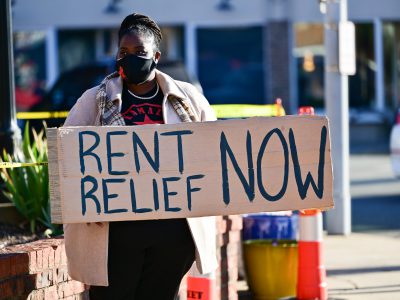
Expropriation is unlikely to catch on any time soon in the United States, where the rights of property holders are treated as sacrosanct. During the pandemic, tenant organizers in New York, Kansas City, Los Angeles, and other U.S. cities pressured the government to cancel rent and mortgage payments for as long as the coronavirus was disrupting the economy, without forcing people to pay it back later. California, New York, and a few other states offered tenants modest relief in the form of temporary eviction moratoriums, in a compromise that fell far short of organizers’ demands.
Those measures in no way matched the actions proposed or taken in Berlin or Barcelona. Nevertheless Alan Beard, managing director of Interlink Capital Strategies, a financial advisory firm, penned an op-ed for The Hill entitled, “How to protect against future U.S. government expropriation,” in which he railed against governments in the U.S. for having “effectively expropriated most of the American economy” by forcing businesses to close for safety reasons and making it harder to evict people during the pandemic.
In many U.S. cities, organizers are fighting for greater control over buildings the public already owns. Last year, Philadelphia organizers obtained limited concessions from the city by setting up encampments, taking over vacant properties in North Philadelphia and on the Benjamin Franklin Parkway, and demanding that the city transfer the properties to the people living in them. The city eventually agreed to put 50 vacant homes into a community land trust and allow 50 unhoused mothers with children to stay in 15 vacant city-owned houses—a drop in the bucket, given that thousands of Philadelphians still need permanent housing.
In an ideal world, said Cea Weaver, campaign coordinator for Housing Justice for All, a New York State-based coalition of housing advocates, “public housing that is democratically run and controlled by its residents” would be the norm everywhere. But in the United States, where there is little trust in government or appetite for funding public services, that can feel like a distant dream. “In order for public housing to be great, we also need to rebuild faith in government as a thing that could compassionately care for all of us,” she said, “not the thing that is killing us and making us sick by defunding our homes.”
Tara Raghuveer, who directs KC Tenants, a tenants’ rights organization in Kansas City, Missouri, and the Homes Guarantee campaign at People's Action, believes one of the biggest obstacles to “a world where everyone has a home and housing is not treated as a commodity” is that “we’ve been so convinced by the profiteers” that there is no other way. “It’s this attitude of impossibility that stops us from doing things that are really quite simple and that we have models for, even in [the U.S.], going back decades,” she added.
Part of expropriation’s appeal is that it allows people to stay where they already live. Thomas McGath, an American ex-pat living in Berlin and a spokesperson for the campaign to expropriate Germany’s largest landlords, said Berliners are beginning to ask themselves, “‘How do I benefit if somebody plops down a thousand apartments in a field somewhere? It doesn’t do anything for me in my neighborhood, where the rents are rising rapidly and/or exorbitantly.’” The idea, he said, is to create a city “that meets the needs of everybody who lives here, and continues to have its unique character defined by those people.”
McGath said he moved to Berlin in 2013 in part to escape the growing unaffordability of U.S. cities. “If we own our own cities and we have more democratic control over the things that we own…it really makes it easier for us to make the city more sustainable, more affordable, more livable,” he said, rather than morphing into a “big playground for investors to build vanity projects that really don’t have a social purpose.”
If housing is a human right, it’s fair to question whether faceless for-profit corporations should be able to determine who gets it, for how long, and on what terms. A home is more than shelter; it’s where people feel a sense of comfort and belonging. Expropriation is one tool advocates are using to help restore housing to its original purpose: sustaining and enriching human life.
[post_title] => To house the people, expropriate the landlords
[post_excerpt] => Housing is generally considered affordable when it costs no more than 30 percent of a household’s income. In the United States, nearly 11 million renters spent more than half their income on housing in 2018.
[post_status] => publish
[comment_status] => closed
[ping_status] => open
[post_password] =>
[post_name] => to-house-the-people-expropriate-the-landlords
[to_ping] =>
[pinged] =>
[post_modified] => 2024-08-28 21:15:13
[post_modified_gmt] => 2024-08-28 21:15:13
[post_content_filtered] =>
[post_parent] => 0
[guid] => https://conversationalist.org/?p=3095
[menu_order] => 184
[post_type] => post
[post_mime_type] =>
[comment_count] => 0
[filter] => raw
)






















 [post_title] => How the Soviet Jews changed the world: a graphic tale of tragedy and triumph
[post_excerpt] => Soviet Jews played a critical role in the history of the USSR and, by extension, the trajectory of the Cold War and the history of the twentieth century.
[post_status] => publish
[comment_status] => closed
[ping_status] => open
[post_password] =>
[post_name] => how-the-soviet-jews-changed-the-world-a-graphic-tale-of-tragedy-and-triumph
[to_ping] =>
[pinged] =>
[post_modified] => 2024-08-28 21:15:13
[post_modified_gmt] => 2024-08-28 21:15:13
[post_content_filtered] =>
[post_parent] => 0
[guid] => https://conversationalist.org/?p=3053
[menu_order] => 186
[post_type] => post
[post_mime_type] =>
[comment_count] => 0
[filter] => raw
)
[post_title] => How the Soviet Jews changed the world: a graphic tale of tragedy and triumph
[post_excerpt] => Soviet Jews played a critical role in the history of the USSR and, by extension, the trajectory of the Cold War and the history of the twentieth century.
[post_status] => publish
[comment_status] => closed
[ping_status] => open
[post_password] =>
[post_name] => how-the-soviet-jews-changed-the-world-a-graphic-tale-of-tragedy-and-triumph
[to_ping] =>
[pinged] =>
[post_modified] => 2024-08-28 21:15:13
[post_modified_gmt] => 2024-08-28 21:15:13
[post_content_filtered] =>
[post_parent] => 0
[guid] => https://conversationalist.org/?p=3053
[menu_order] => 186
[post_type] => post
[post_mime_type] =>
[comment_count] => 0
[filter] => raw
)

 Hazal Sipahi, host of the podcast "Mental Klitoris."[/caption]
When she was a child growing up in provincial Turkey, Sipahi said, sexuality was only discussed in whispers; but as soon as she could speak English, she found an ocean of sexuality content available on the internet.
“I searched for information online and found it, only because I was curious,” she said. “I also learned many false things on the internet, and they were very hard to correct later on.”
For example, Sipahi explained, “For so long, we thought that the hymen was a literal veil like a membrane.” In Turkey there is a widespread belief that once the hymen is “deformed,” a woman’s femininity is damaged, and she somehow becomes less valuable as a future spouse.
“Mental Klitoris” is both Sipahi’s public service and her means of self-expression. She uses her podcast to correct misunderstandings and disinformation, to go beyond censorship and to translate new terminology into Turkish.
“I really wish I had been able to access this kind of information when I was around 14 or 15,” she said.
More than 45,000 people listen to Mental Klitoris, which provides them with access to crucial information in their native tongue. They learn terms like “stealthing,” “pegging,” “abortion,” “consent,” “vulva,” “menstruation,” and “slut-shaming.” Sipahi covers all these topics on her podcast; she says she’s adding important new vocabulary to the Turkish vernacular.
She’s also adding a liberal voice to the ongoing discussion about feminism, “Which became even stronger in Turkey after #MeToo.” She believes her program will lead to a wave of similar content in Turkey.
“This will go beyond podcasts,” she said. “We will have a sexual opening overall on the internet.”
Inspired by contemporary creatives like Lena Dunham (“Girls”), Michaela Coel (“I Might Detroy You”),
Hazal Sipahi, host of the podcast "Mental Klitoris."[/caption]
When she was a child growing up in provincial Turkey, Sipahi said, sexuality was only discussed in whispers; but as soon as she could speak English, she found an ocean of sexuality content available on the internet.
“I searched for information online and found it, only because I was curious,” she said. “I also learned many false things on the internet, and they were very hard to correct later on.”
For example, Sipahi explained, “For so long, we thought that the hymen was a literal veil like a membrane.” In Turkey there is a widespread belief that once the hymen is “deformed,” a woman’s femininity is damaged, and she somehow becomes less valuable as a future spouse.
“Mental Klitoris” is both Sipahi’s public service and her means of self-expression. She uses her podcast to correct misunderstandings and disinformation, to go beyond censorship and to translate new terminology into Turkish.
“I really wish I had been able to access this kind of information when I was around 14 or 15,” she said.
More than 45,000 people listen to Mental Klitoris, which provides them with access to crucial information in their native tongue. They learn terms like “stealthing,” “pegging,” “abortion,” “consent,” “vulva,” “menstruation,” and “slut-shaming.” Sipahi covers all these topics on her podcast; she says she’s adding important new vocabulary to the Turkish vernacular.
She’s also adding a liberal voice to the ongoing discussion about feminism, “Which became even stronger in Turkey after #MeToo.” She believes her program will lead to a wave of similar content in Turkey.
“This will go beyond podcasts,” she said. “We will have a sexual opening overall on the internet.”
Inspired by contemporary creatives like Lena Dunham (“Girls”), Michaela Coel (“I Might Detroy You”),  Tuluğ Özlü[/caption]
Asked to describe how she feels when she crosses the barriers created by widely shared social taboos about human sexuality, Özlü, who lives in Istanbul’s hip
Tuluğ Özlü[/caption]
Asked to describe how she feels when she crosses the barriers created by widely shared social taboos about human sexuality, Özlü, who lives in Istanbul’s hip  Rayka Kumru[/caption]
Kumru said one of the current barriers to freedom in Turkey was the lack of access to comprehensive sexuality education, information and skills such as sex-positivity, critical thinking around values and diversity, and communication about consent. She circumvents that barrier by informing her viewers and listeners about them directly.
“Once connections and a collaborations are established between policy, education, and [particularly sexual] health, and when access to education and to shame-free, culturally specific, scientific, and empowering skills training are allowed, we see that these barriers are removed,” Kumru explains. Otherwise, she says, the same myths and taboos continue to play out, making misinformation, disinformation, taboos, and shame ever-more toxic.
Rayka Kumru[/caption]
Kumru said one of the current barriers to freedom in Turkey was the lack of access to comprehensive sexuality education, information and skills such as sex-positivity, critical thinking around values and diversity, and communication about consent. She circumvents that barrier by informing her viewers and listeners about them directly.
“Once connections and a collaborations are established between policy, education, and [particularly sexual] health, and when access to education and to shame-free, culturally specific, scientific, and empowering skills training are allowed, we see that these barriers are removed,” Kumru explains. Otherwise, she says, the same myths and taboos continue to play out, making misinformation, disinformation, taboos, and shame ever-more toxic.
 Şükran Moral[/caption]
When it comes to female sexuality, Moral said, Turkey’s art scene is still conservative. “There’s self-censorship among not only creators, but also viewers and buyers, so it’s a vicious cycle.”
Part being an artist, particularly one who challenges the position of women, she said, is seeing a reaction to her work. “When art isn’t displayed,” she asked, “how do you get people to talk about taboos?”
Turkish academia also suffers from a censorship of sex studies.
Dr. Asli Carkoglu, a professor of psychology at Kadir Has University, said it was not easy finding a precise translation for the English word “intimacy” in Turkish.
“There’s the word ‘mahrem,’” she said, but that term has religious connotations.
The difficulty in interpretation, she explains, illustrates the problem: In Turkey, intimacy has not been normalized.
President Recep Tayyip Erdogan and his conservative Justice and Development Party (AKP) have many times expressed support for gender-based segregation and a conservative lifestyle that protects their interpretation of Muslim values.
Erdogan, who has has been in power since 2003, has his own ways of promoting those values.
“At least three children,” has long been the slogan of Erdogan’s population campaign, as the president implores married couples to expand their families and increase Turkey’s population of 82 million.
“For the government, sex means children, population,” Dr. Carkoglu explained.
Dr. Carkoglu believes that sex education should be left to the family, but “when the government acts as though sexuality is nonexistent, the family doesn’t discuss it. It’s the chicken-and-egg dilemma,” she said.
So, how do you overcome a taboo as deep-rooted as sexuality in Turkey? Carkoglu believes that that the topic will have to be normalized through conversations between friends.
“That’s where the taboo starts to break,” she said. “Speaking with friends [about sexuality] becomes normal, speaking in public becomes normal, and then the system adapts.”
But for many Turks, speaking about sexuality is very difficult.
Berkant, 40, has made a living selling sex toys at his shop in the city of Adana, in southern Turkey, for the past two decades. But he said that he’s still too embarrassed to go up to a cashier in another store and say he wants to buy a condom.
“It doesn’t feel right,” he said, adding he doesn’t want to make the cashier uncomfortable.
He is seated comfortably at his desk as we speak; behind him, a wide selection of vibrators are arrayed on shelves.
Berkant and his older brother own one of three erotica shops in Adana. Most of their customers are lower middle class; one-third are female. “Many of them are government workers who come after hearing about us from a friend,” he said.
The shopkeeper said female customers phone in advance to check whether the shop is “available,” meaning empty.
He said he often refers women who describe certain complaints to a gynecologist.
“I see countless women who are barely aware of their own bodies,” he said.
Dr. Doğan Şahin, a psychiatrist and sexual therapist, said that the information women in Turkey hear when they are growing up has a lot to do with their avoidance of discussions about sex, even when the subject concerns their health.
[caption id="attachment_2971" align="aligncenter" width="1600"]
Şükran Moral[/caption]
When it comes to female sexuality, Moral said, Turkey’s art scene is still conservative. “There’s self-censorship among not only creators, but also viewers and buyers, so it’s a vicious cycle.”
Part being an artist, particularly one who challenges the position of women, she said, is seeing a reaction to her work. “When art isn’t displayed,” she asked, “how do you get people to talk about taboos?”
Turkish academia also suffers from a censorship of sex studies.
Dr. Asli Carkoglu, a professor of psychology at Kadir Has University, said it was not easy finding a precise translation for the English word “intimacy” in Turkish.
“There’s the word ‘mahrem,’” she said, but that term has religious connotations.
The difficulty in interpretation, she explains, illustrates the problem: In Turkey, intimacy has not been normalized.
President Recep Tayyip Erdogan and his conservative Justice and Development Party (AKP) have many times expressed support for gender-based segregation and a conservative lifestyle that protects their interpretation of Muslim values.
Erdogan, who has has been in power since 2003, has his own ways of promoting those values.
“At least three children,” has long been the slogan of Erdogan’s population campaign, as the president implores married couples to expand their families and increase Turkey’s population of 82 million.
“For the government, sex means children, population,” Dr. Carkoglu explained.
Dr. Carkoglu believes that sex education should be left to the family, but “when the government acts as though sexuality is nonexistent, the family doesn’t discuss it. It’s the chicken-and-egg dilemma,” she said.
So, how do you overcome a taboo as deep-rooted as sexuality in Turkey? Carkoglu believes that that the topic will have to be normalized through conversations between friends.
“That’s where the taboo starts to break,” she said. “Speaking with friends [about sexuality] becomes normal, speaking in public becomes normal, and then the system adapts.”
But for many Turks, speaking about sexuality is very difficult.
Berkant, 40, has made a living selling sex toys at his shop in the city of Adana, in southern Turkey, for the past two decades. But he said that he’s still too embarrassed to go up to a cashier in another store and say he wants to buy a condom.
“It doesn’t feel right,” he said, adding he doesn’t want to make the cashier uncomfortable.
He is seated comfortably at his desk as we speak; behind him, a wide selection of vibrators are arrayed on shelves.
Berkant and his older brother own one of three erotica shops in Adana. Most of their customers are lower middle class; one-third are female. “Many of them are government workers who come after hearing about us from a friend,” he said.
The shopkeeper said female customers phone in advance to check whether the shop is “available,” meaning empty.
He said he often refers women who describe certain complaints to a gynecologist.
“I see countless women who are barely aware of their own bodies,” he said.
Dr. Doğan Şahin, a psychiatrist and sexual therapist, said that the information women in Turkey hear when they are growing up has a lot to do with their avoidance of discussions about sex, even when the subject concerns their health.
[caption id="attachment_2971" align="aligncenter" width="1600"] Advertisement for men's underwear in Izmir, Turkey.[/caption]
Men don’t really care whether the woman is aroused, willing or having an orgasm, he said. Unless the problem is due to pain, or vaginismus, couples rarely head to a therapist, he adds.
“[Women who grew up hearing false myths] tend to take sexuality as something bad happening to their bodies, and so, they unintentionally shut their vaginas, leading to vaginismus. This is actually a defense method,” he told The Conversationalist.
“They fear dying, they fear becoming a lower quality woman, or that sex is their duty.”
While most Turkish women find out about their sexual needs after getting married, the doctor says that, based on research he completed about 10 years ago, men tend to fall for myths about sexuality by watching pornography, which plants unrealistic fantasies about sex in their minds.
“Sexuality is also presented as criminal or banned in [Turkish] television shows. The shows take sexuality to be part of cheating, damaging passions or crimes instead of part of a normal, healthy, and happy life.”
He recommends that couples talk about sexuality and normalize it. Talking is crucial, and so is the language used in those conversations.
Bahar Aldanmaz, a Turkish sociologist studying for her PhD at Boston University, told The Conversationalist why talking about menstruation matters.
“A woman’s period is unfortunately seen as something to be ashamed of, something to be hidden,” she said. (According to Turkey’s language authority, the word “dirty” also means “a woman having her period.”)
“There are many children who can’t share their menstruation experience, or can’t even understand they are having their periods, or who experience this with fear and trauma.”
And this is what builds a wall of taboo around this essential issue, the professor says. It is one of the issues her non-profit organization “We Need To Talk” aims to accomplish, among other problems related to menstruation, such as period poverty and period stigma.
Female hygiene products are taxed as much as 18 percent—the same ratio as diamonds, said Ms. Aldanmaz. She adds that this is what mainly causes inequality—privileged access to basic health goods, the consequence of the roles imposed by Turkish social mores.
“Despite declining income due to the COVID-19 pandemic, there is a serious increase in the pricing of hygiene pads and tampons. This worsens period poverty,” Aldanmaz says. She offers Scotland as an example of what would like to see in Turkey: free sanitary products for all.
During Turkey’s government-imposed lockdown in May 2021, several photos showing tampons and pads in the non-essential sales part of markets stirred heated debates around the subject, but neither the Ministry of Family and Social Services nor the Health Ministry weighed in.
“We are fighting this shaming culture in Turkey,” Aldanmaz says, “by understanding and talking about it.”
[post_title] => Sexually aware and on air: Beyond Turkey's comfort zone
[post_excerpt] => Turkish podcasts that host frank conversations about sexuality are smashing taboos and filling information vacuums.
[post_status] => publish
[comment_status] => closed
[ping_status] => open
[post_password] =>
[post_name] => sexually-aware-and-on-air-beyond-turkeys-comfort-zone
[to_ping] =>
[pinged] =>
[post_modified] => 2024-08-28 21:14:02
[post_modified_gmt] => 2024-08-28 21:14:02
[post_content_filtered] =>
[post_parent] => 0
[guid] => https://conversationalist.org/?p=2949
[menu_order] => 187
[post_type] => post
[post_mime_type] =>
[comment_count] => 0
[filter] => raw
)
Advertisement for men's underwear in Izmir, Turkey.[/caption]
Men don’t really care whether the woman is aroused, willing or having an orgasm, he said. Unless the problem is due to pain, or vaginismus, couples rarely head to a therapist, he adds.
“[Women who grew up hearing false myths] tend to take sexuality as something bad happening to their bodies, and so, they unintentionally shut their vaginas, leading to vaginismus. This is actually a defense method,” he told The Conversationalist.
“They fear dying, they fear becoming a lower quality woman, or that sex is their duty.”
While most Turkish women find out about their sexual needs after getting married, the doctor says that, based on research he completed about 10 years ago, men tend to fall for myths about sexuality by watching pornography, which plants unrealistic fantasies about sex in their minds.
“Sexuality is also presented as criminal or banned in [Turkish] television shows. The shows take sexuality to be part of cheating, damaging passions or crimes instead of part of a normal, healthy, and happy life.”
He recommends that couples talk about sexuality and normalize it. Talking is crucial, and so is the language used in those conversations.
Bahar Aldanmaz, a Turkish sociologist studying for her PhD at Boston University, told The Conversationalist why talking about menstruation matters.
“A woman’s period is unfortunately seen as something to be ashamed of, something to be hidden,” she said. (According to Turkey’s language authority, the word “dirty” also means “a woman having her period.”)
“There are many children who can’t share their menstruation experience, or can’t even understand they are having their periods, or who experience this with fear and trauma.”
And this is what builds a wall of taboo around this essential issue, the professor says. It is one of the issues her non-profit organization “We Need To Talk” aims to accomplish, among other problems related to menstruation, such as period poverty and period stigma.
Female hygiene products are taxed as much as 18 percent—the same ratio as diamonds, said Ms. Aldanmaz. She adds that this is what mainly causes inequality—privileged access to basic health goods, the consequence of the roles imposed by Turkish social mores.
“Despite declining income due to the COVID-19 pandemic, there is a serious increase in the pricing of hygiene pads and tampons. This worsens period poverty,” Aldanmaz says. She offers Scotland as an example of what would like to see in Turkey: free sanitary products for all.
During Turkey’s government-imposed lockdown in May 2021, several photos showing tampons and pads in the non-essential sales part of markets stirred heated debates around the subject, but neither the Ministry of Family and Social Services nor the Health Ministry weighed in.
“We are fighting this shaming culture in Turkey,” Aldanmaz says, “by understanding and talking about it.”
[post_title] => Sexually aware and on air: Beyond Turkey's comfort zone
[post_excerpt] => Turkish podcasts that host frank conversations about sexuality are smashing taboos and filling information vacuums.
[post_status] => publish
[comment_status] => closed
[ping_status] => open
[post_password] =>
[post_name] => sexually-aware-and-on-air-beyond-turkeys-comfort-zone
[to_ping] =>
[pinged] =>
[post_modified] => 2024-08-28 21:14:02
[post_modified_gmt] => 2024-08-28 21:14:02
[post_content_filtered] =>
[post_parent] => 0
[guid] => https://conversationalist.org/?p=2949
[menu_order] => 187
[post_type] => post
[post_mime_type] =>
[comment_count] => 0
[filter] => raw
)

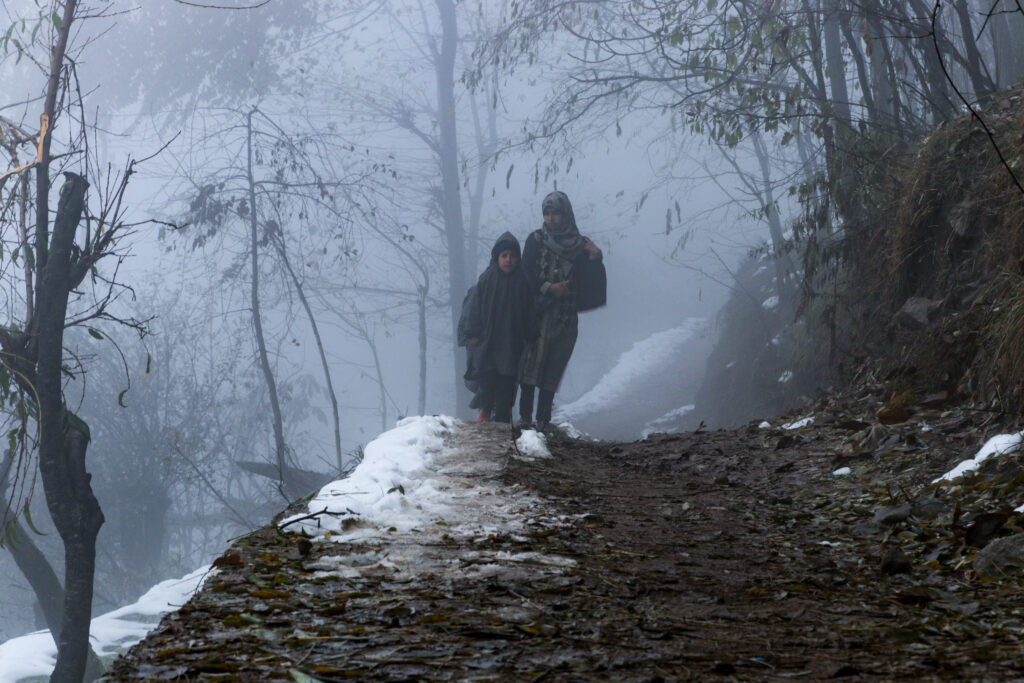 Kashmiri children walking home from school in winter.[/caption]
Mental health experts and teachers report that the lockdowns have also exacerbated pre-existing physical and mental health problems, causing trauma that could take generations to heal.
Dr. Majid Shafi, a clinical psychiatrist who treats children and adolescents in the central and southern districts of Kashmir said restrictions on children, who are confined to their homes for long periods during extended lockdowns, has adversely affected their physical, emotional, and cognitive health.
“Almost every parent of kids and teenagers in Kashmir is complaining these days about increased behavioral issues in their children,” said Dr. Shafi, adding that he had seen an “appreciable increase” in symptoms such as a feeling of hopelessness, anxiety, mood disorders, and a decline in academic performance
Isha Malik, a clinical psychologist at a government-run children’s hospital in Srinagar, said the months-long suspension of phone and internet connectivity had severely hampered delivery of mental health-care services. As a consequence, she said, many of her patients had relapsed or seen their symptoms worsen.
Ms. Malik, who also treats psychosocial and mental health problems in children and women at her own clinic in Srinagar, said that drug abuse among adolescents has increased with the lockdowns because they could not “release their pent-up emotions” by meeting up with friends. Data collected by physicians at Kashmir’s Institute of Mental Health & Neurosciences (IMHANS)
Kashmiri children walking home from school in winter.[/caption]
Mental health experts and teachers report that the lockdowns have also exacerbated pre-existing physical and mental health problems, causing trauma that could take generations to heal.
Dr. Majid Shafi, a clinical psychiatrist who treats children and adolescents in the central and southern districts of Kashmir said restrictions on children, who are confined to their homes for long periods during extended lockdowns, has adversely affected their physical, emotional, and cognitive health.
“Almost every parent of kids and teenagers in Kashmir is complaining these days about increased behavioral issues in their children,” said Dr. Shafi, adding that he had seen an “appreciable increase” in symptoms such as a feeling of hopelessness, anxiety, mood disorders, and a decline in academic performance
Isha Malik, a clinical psychologist at a government-run children’s hospital in Srinagar, said the months-long suspension of phone and internet connectivity had severely hampered delivery of mental health-care services. As a consequence, she said, many of her patients had relapsed or seen their symptoms worsen.
Ms. Malik, who also treats psychosocial and mental health problems in children and women at her own clinic in Srinagar, said that drug abuse among adolescents has increased with the lockdowns because they could not “release their pent-up emotions” by meeting up with friends. Data collected by physicians at Kashmir’s Institute of Mental Health & Neurosciences (IMHANS) 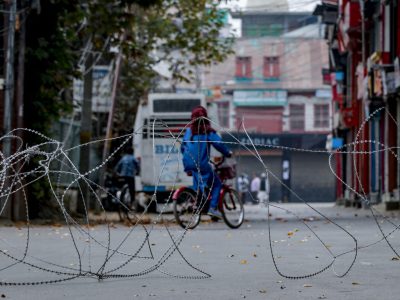




 Amy Iredale dwarfed by one of the ancient trees at Fairy Creek.[/caption]
Some, however, don’t see anything holy here. For them, millennia-old forests are just land that should be exploited and trees that can be replanted.
Amy Iredale dwarfed by one of the ancient trees at Fairy Creek.[/caption]
Some, however, don’t see anything holy here. For them, millennia-old forests are just land that should be exploited and trees that can be replanted.
 Freshly cut old growth trees in the Caycuse River Valley.[/caption]
Old-growth forests cannot be replaced because replanted forests—referred to as second growth—do not recreate the rich conditions and biodiversity of the ancient trees. The study urged the government to “immediately place a moratorium on logging in ecosystems and landscapes with very little old forest.” The Union of British Columbia Indian Chiefs also passed a resolution last year calling on the government to do the same.
Fairy Creek’s 12.8 hectares of unlogged ancient old-growth forests are in fact extremely rare, making up less than 1 percent of what remains in the province. And yet, despite their importance and rarity, these ancient trees are still being cut down. Teal-Jones still has government approval to log in mostly old-growth forests.
The Supreme Court of British Columbia granted an injunction in April for the RCMP to come in and remove protesters and tree-sitters at a string of blockades on logging roads in the area. Over 185 people have so far been arrested, but Canada’s legacy media has given the story little coverage. Independent media outlets
Freshly cut old growth trees in the Caycuse River Valley.[/caption]
Old-growth forests cannot be replaced because replanted forests—referred to as second growth—do not recreate the rich conditions and biodiversity of the ancient trees. The study urged the government to “immediately place a moratorium on logging in ecosystems and landscapes with very little old forest.” The Union of British Columbia Indian Chiefs also passed a resolution last year calling on the government to do the same.
Fairy Creek’s 12.8 hectares of unlogged ancient old-growth forests are in fact extremely rare, making up less than 1 percent of what remains in the province. And yet, despite their importance and rarity, these ancient trees are still being cut down. Teal-Jones still has government approval to log in mostly old-growth forests.
The Supreme Court of British Columbia granted an injunction in April for the RCMP to come in and remove protesters and tree-sitters at a string of blockades on logging roads in the area. Over 185 people have so far been arrested, but Canada’s legacy media has given the story little coverage. Independent media outlets