Since the start of the war, Russian soldiers have targeted vulnerable Ukrainian women for sexual abuse.
These are just a few of their stories.
Olena Zaitseva was in the early stages of pregnancy when she was unlawfully detained by Russian forces in February 2019.
“They took me into a prison-like facility, where they handcuffed me and attached me to a pipe,” she recalls. But soon after, they moved her to another room, “where the violence—and all the horrors imaginable—took place.”
Living close to what was then the front lines of eastern Ukraine, where the ongoing war with Russia first broke out in 2014, Olena and her 18-year old son Vladyslav had been accused by Russian forces of plotting to destroy railway infrastructure. Without legal defense or recourse, the mother, then 48, would spend the next four years as a civilian captive, while her son would be sentenced to 22 years in prison.
Olena was first held captive in Makiyivka, a former prison colony, and later in Izolyatsia, a former pre-trial detention center. Both had been converted into torture chambers by the Russian army, and were widely known for the atrocities committed by Russian servicemen against Ukrainian prisoners—atrocities that continue to this day.
When she first arrived at Makiyivka, Olena tells me she was imprisoned in a one-person cell, where around six men in balaclavas beat her and raped her with rubber batons for several days. (The soldiers put a bag on her head, so she could not count the total number of perpetrators.) The rapes triggered grave gynecological difficulties, causing Olena to bleed heavily. For nearly two years, these symptoms persisted. “I was alone in a cell with only a mattress, a bottle of water, and one bucket,” she says. “I’d sit on the bucket so that the blood could flow because I had no pads, no cloth, nothing.”
Olena with a photo of her son, Vladyslav. (Photo: Sara Cincurova)
Subjected to other forms of torture, Olena did not receive medical aid in her four years in Russian captivity, except for a single hospital visit in occupied Donetsk to consult with a gynecologist. “I cannot translate that feeling into words,” she recalls. “It was like in American movies: my hands in chains, my legs in irons, I was forced to bend forward and look down, and they dragged me like a dog. I was so ashamed.”
“People were walking in the street, and I had a bag on my head, like the worst of the criminals,” she says.
The doctors did not give her a diagnosis that day. It would have been impossible, Olena says, because the same Russian servicemen and prison guards who had abused her were watching and listening. But she already knew she had lost her pregnancy as a result of the violence she’d experienced during her imprisonment. (The father of her child would die on the front lines before they could be reunited.)
After four years in captivity, Olena was freed in a prisoner exchange in 2022. I meet her outside of Kyiv, where she now lives alone in a small room in a shared apartment. She has recently applied to receive disability status as a result of permanent injuries sustained during her imprisonment, while her son Vladyslav remains in Russian captivity, now for the eighth consecutive year. Olena continues to advocate for his release every day, and says she only relives the abuse she experienced and gives interviews to the press in order to help draw attention to his case. But she admits there is little hope.
“For my son to be exchanged, a miracle would have to happen,” she tells me. “Looking at what is happening, those who had been imprisoned before 2022 have been forgotten.”
Searching Houses for Vulnerable Victims
Olena’s story is just one of nearly 30 testimonies I have collected over the past two years of conflict-related sexual violence perpetrated against Ukrainian women, and is consistent with the testimonies of other women I have interviewed who were held at Makiyivka and Izolyatsia.
All of the women’s accounts were independently verified by Ukrainian NGOs collecting evidence of Russia’s war crimes, and together, paint a grim picture of systematic abuse—one that is not just a crime of opportunity, but suggests an intentional scouting effort by Russian soldiers to find potential victims who are especially vulnerable.
Although the Geneva Conventions, as well as international humanitarian law, stipulate that all civilians in conflict who are wounded or sick “shall be respected and protected in all circumstances,” UN reporting suggests that Russian forces have not respected these protections, routinely abusing even the most defenseless of Ukrainian civilians. Children, disabled persons, and the elderly are also protected civilians under international law; as are pregnant women like Olena, as well as mothers and other caregivers. But since the war broke out in 2014, rape and other war crimes have been routinely documented against each of these protected groups, as confirmed by both a 2023 and 2024 UN Independent International Commission of Inquiry on Ukraine. Explicitly defining rape as a form of torture under international law, the investigators found that soldiers routinely "identified women in a vulnerable situation" and "committed acts of rape and sexual violence when they broke into the victims’ houses," sometimes "at gunpoint with extreme brutality and with acts of torture, such as beatings and strangling."
(Photo: Diana Deliurman)
While sexual violence has become a defining weapon in the Russian war in Ukraine, it has also been on the rise in conflicts around the world. A 2025 UN report documented thousands more cases of conflict-related sexual violence in 2024 compared with the year before—a 25 percent increase, widely considered a conservative estimate. A 2026 report of the UN Secretary-General on conflict-related sexual violence estimated that for each rape reported in connection with a global conflict, 10 to 20 cases went undocumented.
Rape and other forms of sexual violence have long been a violation of international humanitarian law, yet committed with impunity in conflicts around the world, Jessica Neuwirth, founder of the Frontline Women's Fund, tells The Conversationalist. Her organization works to combat this by offering support to women's organizations working in conflict zones, helping survivors of sexual violence. “The Geneva Conventions prohibit ‘outrages upon personal dignity’ and specifically mention ‘rape and any form of indecent assault,’" she says. “The statute of the International Criminal Court explicitly includes rape as both a war crime and a crime against humanity.”
The problem, Neuwirth says, has not been the legal prohibition of rape, but the failure to hold perpetrators accountable under the law.
There have, however, been some efforts to bring perpetrators to account. In 2025, the UN Special Rapporteur on Torture, Alice Jill Edwards, joined by several other experts, sent a dossier of sexual torture allegations to the Russian Federation, involving the cases of 10 Ukrainian civilians. “These were all highly sexualized assaults which included rapes, threats of rape, and other depraved conduct,” the dossier read. “It is becoming clearer that the Russian Federation’s deliberate and systematic policy of torture in Ukraine involves sexualized torture and other sexualized cruelty, including against the civilian population.” (While Russia did not formally address a reply to the UN, the Kremlin has publicly stated its belief that many reports by Ukrainian women of sexual violence were groundless.)
The Strongest of All
“No one is as strong as Ukrainian women,” Liudmyla, a retired teacher who will celebrate her 79th birthday this summer, tells me. In the summer of 2022, she was beaten and raped by a young Russian serviceman in her house in a small village of the Kherson region, then under Russian occupation. The soldier left her with four broken ribs, among other injuries.
I interviewed Liudmyla for the first time in February 2025. Despite temperatures in the negatives that day, we set out to meet in the ruins of a bombarded elementary school in her village, which Liudmyla wanted to show me. In the end, we had no choice but to record the interview in a car because of the unbearable cold.
Despite the risks of coming forward with her story, Liudmyla has refused to be silenced, and has inspired other survivors in the country to speak out—including elderly or deeply religious women who at times blamed themselves for their assault. For her bravery, she is now seen as a local leader.
Liudmyla. (Photo: Diana Deliurman)
A year and a half after our first interview, I meet Liudmyla again. Her mobility has worsened; she struggles to walk up and down the stairs. But her resolve remains unchanged, speaking with the same determination she had the first time we met.
The day she was raped, Liudmyla recalls, she was convinced she would die. When the soldier started violating her, she said “farewell to my children, grandchildren, and great grandchildren in my mind.” But she survived. “I speak in order to denounce the war crimes committed by Russia against Ukrainian women,” she tells me.
Liudmyla says the Russian soldier who raped her stormed into her house around 10 p.m. She was terrified: At the time, she lived alone. He shouted and interrogated her, asking questions such as “who lives in your house?” and “why are the lights turned on?” Then, he beat her up and tore her clothes apart. He raped her, she says, then immediately fell asleep beside her. Liudmyla said those hours were among the most harrowing. “I lay right next to him, petrified,” she said, “while he was asleep and snoring.”
At 4 a.m., the soldier woke up and told Liudmyla he would come back in two days. “He told me that if I told anyone, he would kill me,” she says. Liudmyla was too scared to go to the hospital—then occupied by Russian troops—and immediately decided to flee her village rather than wait for the soldier’s return. She was only able to move back to her house, which had been almost completely destroyed, after her village was liberated in late 2022.
Recalling the days of occupation, Liudmyla says she saw wounded and desperate civilians being tortured by Russian soldiers. Some were hanged; others were forced to drink motor oil, she recalls. Other survivors as well as Ukrainian soldiers from the area I have interviewed recall seeing and hearing school children being raped.
Today, Liudmyla’s village is located near the so-called “kill zone,” about 30 kilometers from the frontlines, where Russian servicemen use first-person view (FPV) drones to kill civilians with precision. The practice is called “human safari”—an act of brutality consisting of dropping bombs on people, cars, and even children at play, as if it is a video game. Making matters more dire for the village, there is almost no access to food or medications. “If it wasn’t for humanitarian organizations, I would die of hunger today,” Liudmyla tells me. She hopes the situation will not get worse.
Liudmyla’s testimony is not an isolated incident. Rape and forced abductions of elderly Ukrainian civilians by the Russian army have been widely documented in recent years. The elderly also represent a large majority of people who remain living close to the frontlines, unable or unwilling to move out of the houses where they have spent their entire lives.
Pain That Cannot Be Expressed in Words
While international humanitarian law protects all civilians living in conflict without discrimination, certain groups are singled out for additional protections. The Convention on the Rights of Persons with Disabilities, for example, contains specific protections for people with disabilities, who are at greater risk of violence, including of a sexual nature.
While reports across various countries have shown that violence against people with disabilities tends to receive relatively little media coverage, the UN has been “gravely concerned” about the fate of disabled Ukrainians since the outset of the war. “People with disabilities trapped in the Russian control zones in Ukraine are reportedly being used as ‘human shields’ by the Russian Federation armed forces,” the UN Committee on the Rights of Persons with Disabilities (CRPD) warned in September 2022. Other human rights organizations such as ZMINA have also published reports documenting the experiences of women with disabilities living in Ukraine.
Lidia Tarash, the acting head of the Department of Documenting War Crimes at the Ukrainian NGO Media Initiative for Human Rights, tells me that according to their organization’s data, at least 27 civilians with disabilities are currently held in Russian captivity. “We also have testimonies regarding at least five seriously ill civilians unlawfully detained by Russia,” she says. “These include people with spinal conditions, epilepsy, diabetes, asthma, cancer, amputations, and paralysis.” Some of these civilians are also being held “incommunicado,” in complete isolation from the outside world—their whereabouts and conditions completely unknown.
“These cases demonstrate that even particularly vulnerable groups of civilians receive no protection from Russia’s system of persecution,” she explains. “They point to the systematic nature of the unlawful detention of Ukrainian civilians and Russia’s blatant disregard for international humanitarian law."
Documenting disabled people’s stories in conflict also presents particular challenges. Many disabled people live close to the frontlines, where media access is limited and particularly dangerous. Disabled people are also a largely underrepresented group across traditional media, and anecdotally, this has made it especially difficult for journalists to find a home for their stories. On his last day in the role, Giles Duley, the United Nations Global Advocate for Persons with Disabilities in Conflict and Peacebuilding Situations, said, “When I photograph somebody in a war zone… they always say to me: share this story with the leaders. But the opportunities to do so were never fully realized.”
(Photo: Diana Deliurman)
In the spring of 2025, I spoke with the mother of a disabled woman, living with her family only about 13 kilometers from the frontlines of the Kherson region. Their village, which was occupied in 2022, has been routinely hit and targeted by FPV drones.
Her daughter Olha, she explains, sustained a severe head injury as a toddler that blocked the flow of oxygen to her brain, leaving her non-verbal and bed-bound. Although now a young woman of 33, she still looks like a child, no older than 9 or 10.
In late February 2022, as Russians stormed into their region, Olha’s parents were taken to the local police station for questioning. Her mother says they were forced to kneel for hours as they were beaten and interrogated by Russian soldiers. But all the while, she feared most for her daughter, who had been left at home alone.
Hours later, Olha’s mother was released. When she returned home, she found Olha lying on the bed, naked and motionless, with sweets placed on her pillow.
“Olha cannot undress herself alone,” her mother tells me. Devastated, she immediately knew: It must have been the Russian soldiers.
With Olha unable to speak, it was impossible to fully determine what had happened. But Olha’s body spoke for her. In the months that followed, she lost around 10 kilograms, and nearly all her teeth fell out. She became terrified of men, her mother says.
While the family will never know the details of the abuse, organizations such as Human Rights Watch have documented similar war crimes perpetrated against people with disabilities in Ukraine. In 2024, the country’s United Nations Population Fund (UNFPA) stated that the prolonged and combined nature of insecurity, displacement, and economic deterioration had reduced “the coping capacities of women and girls and other at-risk groups in Ukraine ... further exposing them to risks of gender-based violence.” The organization also warned that older women and women with disabilities represent a significant majority of vulnerable civilians in frontline areas, and that both are more likely to be left alone, which often makes them especially vulnerable. As a result, the UNFPA concluded that different forms of gender-based violence have been significantly increasing.
A Fear of Sexual Violence
Children are legally protected in armed conflicts under international humanitarian law, with a series of rules granting them special protections. Ukraine’s General Prosecutor’s Office is currently investigating 23 cases of child victims of conflict-related sexual abuse, out of a total 396 reported cases of sexual violence by Russian troops. These numbers, however, are likely just the tip of the iceberg, and do not reflect the full reality of the sexual abuse that has been committed against children.
Alla Sobchuk, a 42-year old woman from Kherson, tells me she was unlawfully detained with her then 11-year old daughter, Viktoriia, when the city was occupied in 2022. She says they were driving through a checkpoint set up by the Russian military, who tried to force her to remove her window tint.
“I said no and they threatened to shoot me,” she says. “They handcuffed me, beat me, put zip ties on my wrists, and sprayed me with tear gas.” All of this, she adds, happened in front of her daughter.
Alla next to a sign that reads, "Ukraine will win." (Photo courtesy of Alla Sobchuk.)
The pair was then taken to a former police station, occupied by what seemed to be Russian police, she says. Viktoriia watched as Russian officers hit her mother and tore her dress apart.
“We are both very afraid of sexual violence,” Alla says, “and very afraid they would assault us.” (She adds that “luckily,” the Russian forces “only” used physical violence.)
Viktoriia was taken to a separate office, where the soldiers interrogated her. One of them threatened to send her to a boarding school and Alla to prison, before threatening Alla directly, as well. “He hit me in the face because I demanded my child be returned,” Alla says. They were both held at the police station in separate offices for nearly 24 hours. The next day, they were freed.
After they were released, Alla says, Viktoriia was very frightened—but relieved to see her mother again. “I supported her by telling her she was a hero, and even adults could not endure the [abuse] by occupation forces the way she did.”
Viktoriia next to a sign that reads "Kherson is Ukraine!!!" (Photo courtesy of Alla Sobchuk.)
This kind of exposure to violence—sexual and otherwise—is prevalent in captivity, especially in cases where children and teenagers are held for longer periods of time. But as more cases emerge involving Ukrainian children, particularly those detained in Russia, humanitarian organizations—and victims’ families—are warning of another deeply disturbing reality: evidence of severe physical and sexual violence inflicted on children themselves. Mariam Lambert, the co-founder of Emile Foundation, an organization that helps bring Ukrainian children abducted to Russia back to Ukraine, shared one recent case involving a family reunited after years of separation. “One of the children, a six-year-old girl, had previously been identified on a Russian adoption database,” Lambert says. “After her return home, evidence emerged indicating that she had been exposed to violent sexual abuse while in Russian-controlled custody.”
Lambert also confirms that similar incidents point to a broader pattern of abuse, disappearance, forced separation, and exploitation of vulnerable children caught inside a system operating without transparency or accountability. “The world still does not fully understand what some of these children have endured,” she concludes.
Hundreds of Methods of Torture
The sexual abuse committed as a weapon of war by the Russian forces remains just one method of brutal torture used against imprisoned civilians and other prisoners of war. Lyubov Smachylo, the Head of the Analytical Department at Media Initiative for Human Rights Ukraine, an NGO that has carried out comprehensive investigations and in-depth interviews with detained civilians, says she and her colleagues have been able to document patterns and connections between violations of civilians’ rights in different locations and at different times, which indicates that such violations “are not isolated incidents and may qualify as war crimes, as well as crimes against humanity.” Today, the organization is aware of at least 2,495 civilians held in unlawful captivity across 240 locations.
Based on in-depth interviews conducted as part of the organization’s research, in 87% cases of torture, Russian forces subjected victims to severe beatings, using their hands, feet, sticks, clubs, belts, hammers, or other improvised equipment. Of the 54 torture victims identified, 34 were also subjected to electric shocks. The evidence also suggests that Russian forces have used sexual and gender-based violence against both male and female detainees.
On May 22, 2026, the Ukrainian Parliament Commissioner for Human Rights, Dmytro Lubinets, reported that Russia has used 695 different forms of torture, including physical and psychological abuse, as well as sexual violence, in the war so far." Prisoners of war are strangled, beaten, subjected to electric shocks, set upon by dogs and sometimes forced to stand in one place for up to 18 hours; as soon as you start to squat, you are immediately physically beaten,” he said. He said that Russia has already tortured 406 Ukrainian captives to death.
This torture and abuse is perpetrated unlawfully and indiscriminately. The stories described above are a reminder that such horrors have not spared anyone—not even the elderly, not even the children. But reporting for months on sexual abuse across Ukraine, it has become clear to me that numerous survivors do not want their accounts to remain buried in shame. Nearly all of the women I spoke to longed to have their stories told and shared with the world—showing global readers that such unbearable, widespread abuse continues, and none of its perpetrators have been brought to justice for their crimes.
[post_title] => "All the Horrors Imaginable"
[post_excerpt] => Since the start of the war, Russian soldiers have targeted vulnerable Ukrainian women for sexual abuse. These are just a few of their stories.
[post_status] => publish
[comment_status] => closed
[ping_status] => closed
[post_password] =>
[post_name] => war-crimes-rape-sexual-assault-ukraine-civilians-russia
[to_ping] =>
[pinged] =>
[post_modified] => 2026-08-03 20:47:20
[post_modified_gmt] => 2026-08-03 20:47:20
[post_content_filtered] =>
[post_parent] => 0
[guid] => https://conversationalist.org/?p=10622
[menu_order] => 0
[post_type] => post
[post_mime_type] =>
[comment_count] => 0
[filter] => raw
)
Meet the mothers caring for Ukraine's most vulnerable children.
One summer day in 2022, Varvara, an autistic 6-year-old girl from Ukraine, approached her mother Oksana while she was on the phone with the police. Oksana, now 39, was inquiring about her husband Maksim, a Ukrainian soldier who had been reported dead, but whose body still hadn’t been found.
“Mom,” Varvara said, “I know that dad is already in heaven.” She pointed toward the sky.
It was at this moment that Oksana realized her daughter was not like other children. “Varvara somehow understood that her father had been killed while he was defending Kharkiv from the Russian troops,” Oksana says, tears streaming down her face. “I never told her the truth; she only knew that her daddy moved to a faraway place… But she understands everything.”
Like Oksana, thousands of mothers in Ukraine are raising their children alone as a direct result of the ongoing war between Russia and Ukraine. Although the number of war widows has not officially been confirmed by Ukrainian authorities, President Volodymyr Zelenskyy said in a statement last February that over 46,000 Ukrainian soldiers had been killed since the war began in 2022. As the fighting continues, it is mostly women who care for the country’s children. Some of these women live on the frontlines and use their own bodies to shield their toddlers from Russian attacks. Others have to safeguard children and teenagers who suffer from post-traumatic stress, developed after witnessing and experiencing atrocities during the war. Others, like Oksana, have to take care of children in increasingly difficult circumstances, managing their households and earning a living while grieving for their dead husbands, or else worrying about those alive but still fighting.
Disabled children are particularly vulnerable during war, in part because they are unable to access the same resources normally available for their ensured safety and care. On the frontline or under Russian occupation, that means that they might not have access to a hospital or needed medications, let alone specialists or therapy, as deteriorating mental health is a widespread issue in war-torn countries. Beyond that, being in the epicenter of the fighting makes children more vulnerable to PTSD and shock, as well as to physical injuries, which can further impact their mental state.
According to UN Women, of the 14.6 million people needing humanitarian assistance in Ukraine in 2024, 8 million were women—many of them single mothers, the elderly, or victims of gender-based violence. A large number of these women take care of children and loved ones with disabilities. The Centre for Sustainable Peace and Democratic Development reports that over 3 million persons with disabilities currently live in Ukraine—but this estimate almost definitely falls short of the actual numbers, and will likely continue to increase due to war-related injuries.
Of those, 1.8 million people with disabilities are already in need of humanitarian aid because of the war, a number that will also likely only increase. But where resources have fallen short, mothers across the country have singlehandedly done everything in their power to fill the gap.
Defending Ukraine Since Day One
The city of Kharkiv, where Oksana and Varvara live, was among the first to be invaded by Russian troops following the start of the war on February 24, 2022, in what Russian President Vladimir Putin called “a special military operation.” To this day, Kharkiv remains one of the most dangerous cities in Ukraine, and is regularly hit by both airstrikes and artillery.
“My husband, who has been in the Ukrainian army since 2015, told me he was going to fight immediately after Kharkiv was invaded,” Oksana says. She was left alone with their two daughters: Varvara, now nine, and Sofiia, 17. Her husband Maksim never came back; and even after he was confirmed dead, Oksana shares, it took ten months to find his body.
“It was hell,” Oksana tells me. “I am still taking antidepressants.”
Varvara, who was diagnosed on the autism spectrum at the age of three, has also become increasingly fearful as the war has unfolded. “Whenever she sees dead or injured persons, she says in her own words: ‘A bad boy has been shooting,’” Oksana says. Still, she says it has been difficult for them both. “Whenever the sirens sound, Varvara is extremely stressed—much more than a [neurotypical] child. She experiences panic several times a day.”
Oksana and her daughters, Varvara (top) and Sofiia (right). (Photo courtesy of Oksana.)
Luckily, Varvara is sociable and likes going to school, which is often her only source of joy—and a great source of comfort for her mother. In the suburbs of Kharkiv, Varvara attends classes at a specialized institution, where a local humanitarian organization recently built a bomb shelter specially tailored for children with disabilities, with heating, restrooms, and a library. Disabled children like Varvara—who are extremely afraid of air raids—can spend their entire days there peacefully.
Alyona Budagovska, a communication officer for People in Need, the NGO that constructed the bunker, tells The Conversationalist that families with disabled children in Ukraine face extraordinary challenges. For example, many parents cannot carry their children to safety during air raids, and standard public shelters are often inaccessible or too far away. In some cases, children are left behind out of fear or desperation, including children who are bed-bound or too heavy to be carried.
“In the context of war, children with disabilities are among the most vulnerable, yet often the most overlooked. Many of them attend specialized schools that lack the most basic protection against missile attacks,” Budagovska says. “Building shelters in [these] schools is about more than concrete walls—it’s about dignity and inclusion.”
Oksana feels relieved that her daughter likes school, and that her two daughters get along well. Yet, she says, it is still difficult being left without her husband, who she says knew Varvara best. “My daughters love each other very much and that makes me happy, but it doesn’t replace my husband,” she says. While her loving family is a source of resilience, both she and her daughters continue to be affected by grief.
Mothers On the Frontline
Oksana’s experience is far from singular. In frontline towns and villages across Ukraine, thousands of single mothers also raise their children without any support, despite the incredible risks. According to UNICEF, the United Nations agency for children, there are currently 1.9 million children in need inside the country. But prior to the war, Ukraine already had one of the highest rates of child institutionalization in the world, and the highest in Europe. Of these children, UNICEF reports nearly half of them were disabled. Now, the agency reports that 16 children are killed or injured in Ukraine on average every week.
Denys, a 7-year old boy from the Kherson region, is one of the survivors of such frontline attacks—together with his mother, Iuliia, 25, who also suffers from heavy injuries. Both of them were diagnosed with post-traumatic stress disorder (PTSD) and are overcoming psychological hardships, facing the challenge of healing both physically and mentally in the aftermath of their attack.
In late April, I meet them in their home village only a few miles away from Kherson, currently the most dangerous city in Ukraine. Upon entering their home, I learn that a Russian drone has shattered a local house just three hours before my arrival. These FPV (first person view) drone attacks and artillery strikes continue on a daily basis—and can be heard as I conduct interviews.
Iuliia is still in shock after the morning attack, and cries relentlessly during our conversation, while Denys is silent, hiding in another room.
“My husband died on the frontline in Kherson shortly after the war broke out,” Iuliia says. “Up until that point, we lived just like everyone else: We had jobs, we worked on a farm, we had our daily worries… Then, everything turned upside down.”
Iuliia and her son, still grieving their loss, had continued living in the destroyed village, even as artillery strikes became more and more frequent. But one night, everything changed.
She and Denys were sleeping in their house—each in a different room—when they awoke to a loud sound. Then, came the shock and the chaos: a Russian missile had hit their home, reducing it to ruins.
Iuliia and her son were lucky in their misfortune: They both survived, but suffered severe concussions, head trauma, and PTSD. Iuliia, who was closer to the explosion, also sustained skin wounds and severe damage to her inner ear.
“The ambulance immediately took us to the nearest hospital,” Iuliia recalls, shuddering at the memory. “We spent several days there. They gave us injections, syrups, medicines, and we underwent various procedures.”
Once Iuliia and Denys were released from the hospital, they also needed to find a safe place to stay. “Our house has been turned into ruins; there is no roof, and the walls are broken,” she tells me. “I literally had to go back and dig out some of our basic personal belongings from the [rubble].”
The pair decided to live, temporarily, with Iuliia’s sister. But their first night there quickly turned into a nightmare. “As we were falling asleep, a rocket hit the property right next to my sister’s house, with shrapnel hitting our walls,” Iuliia tells me, crying. Following that night, she says she suffered a breakdown.
“If I could somehow force myself to function before [the second attack], I really can’t now,” Iuliia tells me. “I have severe PTSD and need to rest and consult a psychologist. I am constantly short of breath, my hands are shaking, my vision is going black.”
But Iuliia tells me she has no savings, and nowhere to go. While Denys is sometimes cared for by their family and friends in the village, she says she has lost hope for a better future. She still suffers from earaches, tinnitus, dizziness, hypervigilance, flashbacks, and frequent blackouts. Denys, she says, is seeing several doctors and a therapist, and is in need of rehabilitation. While he is healing well from his physical injuries, there are multiple layers of trauma that he needs to talk through with a psychologist, especially due to his young age: losing his father as a toddler; losing his home in a bombardment; witnessing his mother and family members injured and suffering.
Iuliia cries whenever she talks about her son. “Denys is everything to me,” she says. “Children heal faster from some wounds; he recovered from his concussion faster than I did. At age seven, he is stronger than I am at 25.” Like many other mothers in Ukraine, she is facing the impossible challenge of remaining calm and composed in front of her child, despite facing deep physical and psychological wounds herself. But taking care of an injured child while suffering from PTSD and her own injuries, in a village hit by drones every day, is one of the most difficult things she has ever had to endure. Her only recourse, she says, has been to reach out to the very few humanitarian NGOs operating where she lives.
Giles Duley, the UN Global Advocate for Persons with Disability in Conflict and CEO of Legacy of War Foundation, which provides aid to people on the frontlines, tells me that in conflict, the most marginalized and vulnerable members of society are often forgotten or ignored. “The elderly, single parent families, and those living with disability are at far higher risk from collapsing healthcare systems, displacement, and lack of social services—in Ukraine we have seen those with disabilities unable to evacuate frontline areas; vital medical facilities targeted by Russian [forces]; and vulnerable communities left without healthcare,” he says.
“The war has also exacerbated previously existing inequalities, with disproportionate effects on older women and single mothers,” he adds.
Surviving Occupation with a Disability
Olena, 54, has felt the weight of this inequality as a single mother to a disabled child. She and her son, Misha, 12, come from Mykhailo-Laryne, a small village near Mykolaiv in the south of Ukraine that was occupied between late February and November in 2022. Her ex-husband, Misha’s father, lives in a different town, and is unable to help support their child financially, in part because of the distance, and in part because of the war.
Olena’s son Misha has an intellectual disability, and she believes he is likely also on the autism spectrum—but she has been unable to take him to a psychiatrist since the war broke out. Traveling, even to neighboring Mykolaiv, is too expensive for her, and while their village was occupied, it was “absolutely unthinkable,” she says.
Olena and her son, Misha. (Photo courtesy of Sara Cincurova.)
Olena currently works as a school assistant for a disabled girl at a local school—but with her single salary and prices skyrocketing since the outbreak of the war, she frequently struggles to buy food, she says. As a school assistant, she earns approximately $88 USD a month at most—but her salary is often cut down significantly, as it largely depends on the number of hours she works per week.
Apart from this severe financial hardship, what Olena suffers from the most is when she sees the inhabitants of her village mock and hurt her Misha, who is her only child.
“People have this narrow-minded mentality in our village… They often used to make fun of Misha, calling him [slurs],” Olena says with pain in her eyes. But Misha is a talented and sensitive boy, she adds. “He is kind, curious, and a patriot. He loves cooking, he is always cheerful.”
Olena is currently receiving humanitarian aid from a local NGO, Voices of Children. The organization works with a wide range of children—including those with disabilities and/or on the autism spectrum. Olha Yerokhina, a Communication Manager for the organization, tells me that whenever a family with a neurodivergent child asks for help, “We listen, we try to understand the need, and even if we can’t provide specialized support in-house, we do our best to refer [the family] to trusted professionals or partner organizations.”
The NGO also supports Ukrainian mothers just like Olena. “[Mothers] are often overwhelmed and left to navigate [the] complex reality alone,” Yerokhina says.
At the end of the interview, Olena recalls the one—and perhaps only—positive aspect that the war has had on her and her son. “People are now more accepting of Misha’s disability,” she says. “During the occupation, many have reconsidered their values and their priorities.”
“They now make less fun of Misha and accept he is a human being, and treat him with more love.”
[post_title] => Motherhood on the Frontlines
[post_excerpt] => Meet the mothers caring for Ukraine's most vulnerable children.
[post_status] => publish
[comment_status] => closed
[ping_status] => closed
[post_password] =>
[post_name] => single-mothers-ukraine-russia-war-conflict-frontlines-violence-motherhood-widows-vulnerable-children
[to_ping] =>
[pinged] =>
[post_modified] => 2026-08-03 22:47:03
[post_modified_gmt] => 2026-08-03 22:47:03
[post_content_filtered] =>
[post_parent] => 0
[guid] => https://conversationalist.org/?p=8696
[menu_order] => 13
[post_type] => post
[post_mime_type] =>
[comment_count] => 0
[filter] => raw
)
In immigrant families, sometimes your cousins can be your earliest friends.
“Old Friends” is an ongoing series exploring the many ways that friendship changes shape in adulthood.
“You don’t seem like an only child,” people often tell me after I reveal to them that I was raised without siblings. Unsure if this comment is a compliment or a backhanded remark, I usually shrug and reply with something like, “Well, I grew up with cousins…” But what I don’t often say is my cousins didn’t quite feel like siblings, either. They felt like something else.
The truth is I don’t have an unusual amount of cousins. Five first cousins in the U.S., and one in Estonia, who I’ve never met. A growing number of second cousins once removed (the children of my first cousins). And a scattered few second cousins twice or three times removed (my parents' cousins and their offspring, respectively). It’s my first cousins, though, that I’m closest with—in large part because, as is true for many immigrant families, they were also my first friends.
As new immigrants from the former Soviet Union, my parents relied on the built-in community of care provided by our extended family: an old-world-style network of grandparents, aunts, uncles, and cousins. But while the adults in my family did play a role in my Los Angeles upbringing, it was my cousins who did the majority of the caretaking.
Only seven years older than me, two of my cousins in particular were somewhere between my babysitters, part-time siblings, and friends. Together, we would spend long sun-soaked summer days playing outside my aunt and uncle’s apartment. We’d make up elaborate games based on movies we rented from Blockbuster or 20-20 Video, where an older cousin worked. Sometimes, we were the “karate family,” influenced by none other than The Karate Kid. In silent agreement, we’d transform into a group of vigilante karate enthusiasts, climbing parked cars and saving stray cats from danger; cats that my uncle would rescue and bring home from his job as an LAX cab driver. Sometimes we would write our own Nightmare Before Christmas-style songs, practice obsessively, and perform them for the whole family. OOOo spooky, oooo spooky….I see a big fat moon…in the skyyy….a very big fat mooon. Sometimes, we’d be aspiring horror film producers. We would borrow my dad’s precious camcorder and record over family home videos with our very own renditions of the Blair Witch Project, nostrils and all. We even made our own version of the movie Hocus Pocus, which we titled, “The Heart of a Little Girl.” I was the little girl.
Then, the sun would set and my aunt would come home from her job as a cashier at the local grocery store, and my mom and dad would pick me up after a day of English and bookkeeping classes at the community college; or after a day of driving rich kids around. And I would always, without fail, break into tears, grabbing onto the leg of one of my cousins as they would obediently lead me to the door.
Only other only-children can relate to the loneliness. The pit of despair that formed each time, as a child, you were plucked from a social event and brought back to your parents’ apartment where you were forced to find creative ways to entertain yourself. Before we had the internet (and even after), I would spend long hours talking to the bathroom mirror, pretending my reflection was someone else. When I was with my cousins, the loneliness disappeared. When I left them, it would come back heavier than before.
The research is shoddy, but it is believed there is a correlation between only-childness and loneliness. In fact, studies have found that, compared to adults who grew up with siblings, only children often become adults who have significantly less interaction with their relatives. This may be true for some onlies, but not for me. I still, to this day, have remained close to my cousins. Even the older ones who had no interest in me when I was a toddler and they were teenagers. The ones who acted more like older siblings than friends by simply ignoring me, or making fun of my unibrow because it would “build character.” The ones who drew sharpie tattoos on my favorite doll’s face in between shifts at the video store, and made up for it by buying me a coveted “Diana’s Parking Only: Keep Out” sign for my bedroom door. And I’m still close with the ones who played “karate family” with me, too.
Cousin in Russian translates directly to “once removed sibling”; but often, the term is just abbreviated to brother or sister. Same goes for other Eastern languages like Chinese, Japanese, Arabic, Thai, and Korean. This must have something to do with Western Individualism vs Eastern Collectivism. The cultural values placed on the community, rather than the individual, have slowly been eroded from Western society, leading to recent phenomena like the loneliness epidemic. But many immigrant families never fully abandon the cultures they came from, including mine—and ultimately, cousins have an important role to play in keeping it that way. They are role models. They are siblings. They are caretakers. They are friends. They preserve family traditions, like avoiding the aspic and playing Monopoly on Thanksgiving. They step in and help out when a family member is in the hospital; and when you get in a fight with your mom, they are one of the only people on earth that truly understands. Because that’s what families are for.
Of course, not every American family looks like mine. We are apparently in the middle of The Great Cousin Decline, coined by Faith Hill for The Atlantic. This is due to the usual suspects: U.S. population decline, women choosing to have children later in life, and parents having fewer children in general. As of 2022, about 55% of Americans live an hour away from their extended families, while highly educated Americans live even further. Immigrant families remain the exception. My own very American husband has little interaction with his cousins, mostly due to their geographical distance. But there is much to be lost in living apart. Hill reminds us that the often overlooked reason why cousins are especially important is that “they share something rare and invaluable: They know what it’s like to be part of the same particular family.” Growing up, that’s why the loneliness never stuck around too long: I always knew that my cousins were only a phone call away.
In the Oscar-nominated film A Real Pain (2024), a pair of cousins, Benji and David Kaplan, embark on a journey to Poland funded by their shared grandmother’s inheritance. It is meant to be a cathartic trip to both honor and witness where she came from and bear the weight of the concentration camp she survived. But the cousins could not be more different. David (played by the film’s writer-director, Jesse Eisenberg) chooses to settle into modern society and accept that life is suffering, while still doing what he can to enjoy it. Benji (played by Kieran Culkin, who won Best Actor in a Supporting Role for his performance) is the more nostalgic feeler, who cannot seem to settle down and process pain in a modern sense. He is overwhelmed by his grandmother’s loss, and, as it’s revealed later in the film, even tried to overdose on sleeping pills a few months before the trip. In Poland, Benji cannot stomach the juxtaposition of privileged American Jews riding first class on a train to tour concentration camps, and lashes out at the group. Eventually, David reaches his limit:
David Kaplan: ...I love him and I hate him and I wanna kill him... and I wanna be him, you know? And I feel, like, so stupid around him, you know, because he is so fucking cool and he just does not give a shit. And then... just, like, being here with him is just so fucking baffling to me, you know? It's just baffling, 'cause it's like: How did this guy come from the survivors of this place, you know?
Diego Alburez-Gutierrez, who studies kinship dynamics at the Max Planck Institute for Demographic Research in Germany, tells Hill in an interview that, “Cousins are essentially peers who can stretch your assumptions—without as much fear of the relationship ending if debates get heated.” In A Real Pain, we watch this play out: Once inseparable as children, the two cousins have since drifted further and further apart. But the cousins are also connected by their shared ancestral trauma and their unique perspectives on how to survive in modern society despite its contradictions. No matter their differences, neither will ever abandon the other.
My own relationships with my cousins have shifted over the years. I’ve become closer to some and drifted apart from others. There are religious differences, socio-economic differences, and the fact that we are simply in different stages of life. But when times get tough, we always reconnect. Like when my second cousin was diagnosed with Leukemia at a young age and I would visit her at the children’s hospital, or when our maternal grandmother who survived WWII died a few months before the pandemic, or when the most recent wars in the region broke out.
Cousins have our backs. They are our built-in friends. And from an evolutionary perspective, they have a biological stake in our survival. Our cousins are our companions for all of life’s curveballs. And while sometimes, we don’t get along, like siblings, cousins share both our family secrets and genetics. They share our lives.
I recently got married in Las Vegas by an Elvis impersonator at the famed Little White Chapel. This wasn’t an elopement, although that was our original intent. Once we started telling our friends and family about our plan, however, some insisted on coming.
Our wedding happened this past January, in the wake of the devastating Los Angeles wildfires that almost burned down my high school and destroyed so many homes of friends and acquaintances, I’ve lost count. My cousin, who was supposed to make a speech at the wedding, was evacuated from her home the night before her flight to Las Vegas. In a last ditch effort, she ended up driving with her husband, young son, and mother-in-law with nothing but the clothes on their back to make it in time for my ceremony, like a true cousin, sister, or friend, or maybe, something even better.
[post_title] => First Friends, Once Removed
[post_excerpt] => In immigrant families, sometimes your cousins can be your earliest friends.
[post_status] => publish
[comment_status] => closed
[ping_status] => closed
[post_password] =>
[post_name] => first-old-friends-cousins-immigrant-families-los-angeles
[to_ping] =>
[pinged] =>
[post_modified] => 2026-08-03 23:15:08
[post_modified_gmt] => 2026-08-03 23:15:08
[post_content_filtered] =>
[post_parent] => 0
[guid] => https://conversationalist.org/?p=8116
[menu_order] => 24
[post_type] => post
[post_mime_type] =>
[comment_count] => 0
[filter] => raw
)
Why the Duma's new restrictions against LGBTQ "propaganda" are both dangerous and unsurprising.
Nearly everyone who pursues an advanced degree in area studies without having ethnic or family ties to their chosen region has an unusual story about how they got into the field. In my case, the interest stemmed from two short-term evangelical youth mission trips to Russia in 1999 and 2000.
I had just graduated from high school at the time, and I was looking for something to help me contextualize a crisis of faith that had been troubling me for several years. I wanted to imagine a world beyond the stifling Midwestern conservative Christian enclave in which I’d grown up, and when I first stepped off the plane in Moscow, I was nervous but also thrilled to start getting a sense of what Russia was like. I was thus susceptible to certain romantic notions about the “Russian soul” and its depth of authenticity that supposedly contrasted with Western superficiality and calculation, and, after seeing the sights in Moscow and spending a couple of weeks getting to know young Russians in a rural summer camp environment, I was hooked. In that lingering post-Cold War moment of relative optimism, I developed a naive fascination with Russian language and culture that came to define my professional and intellectual life in the following years.
It’s embarrassing to me now that I ever engaged in missionary activities, but, while I quickly gave up on the desirability of converting (Orthodox) Christians to (Protestant) Christianity, the new friends and pen pals and an interest in the country itself remained. I began to study Russian in college, and from that point on, I traveled to Russia regularly until the end of 2015, by which time I had earned a PhD in modern Russian history from Stanford University and spent three years teaching at the Russian Presidential Academy of National Economy and Public Administration (RANEPA), a school with which Stanford partnered at the time. But these days, I’m forced to wonder if I’ll ever go back.
Amid the coverage of Russia’s brutal war in Ukraine, which has dragged on now for nearly eight months, the Russian State Duma has been preparing to pass further restrictions against LGBTQ “propaganda” in an initiative that Deputy Alexander Khinshtein, chair of the committee on information policy, believes may pass as early as next week, according to reporting by the Russian news service Interfax. The new legislation, for which hefty fines will be demanded from violators, is quite comprehensive, banning any public representation of queer sexualities or gender identities, and making particular mention of banning “information that might cause children to wish to change their sex.” Thus far, this new legislation has received relatively little comment in the Western press. But there is no doubt that the legislation and the Russian discourse around it will generate yet more violence against a scapegoated minority as the government drives LGBTQ existence entirely underground.
“Sodomy” was illegal in the Soviet Union, and was only legalized in Russia in 1993. At that point, many observers believed that a democratizing post-Soviet state was on a trajectory toward greater acceptance of difference and greater integration into the international community. Sadly, and in retrospect unsurprisingly, the openness did not last.
From 2003 to 2004, in between finishing college at Ball State University and starting my postgraduate studies at Stanford, I worked as an English teacher at the American Home—a private English school and center of cultural exchange—in the provincial Russian city of Vladimir, in the region I’d traveled to as a youth missionary. In my advanced English classes at the American Home, I had students read and discuss newspaper articles about current events, and that year, the state of Massachusetts had legalized same-sex marriage. When we discussed the topic in class, by and large, the students voiced negative opinions. But whether it was acceptable that we were discussing homosexuality and LGBTQ rights in the classroom was never remotely in question.
Fast-forward to the 2012-2013 academic year, when, post-PhD, I taught humanities classes to both undergraduates and master’s students at RANEPA. One of the Russian students in my postgraduate course—the only liberal among the Russians in the class—gave a sympathetic presentation about Pussy Riot’s “Punk Prayer” protest and its aftermath. She chose the topic entirely on her own, but I was admittedly enthusiastic. Her presentation gave way to a chaotic shouting match among the students, which I should have taken as a foreshadowing of things to come. Some weeks later, I got a frantic phone call from a RANEPA administrator demanding to know why I had “taught Pussy Riot lyrics” in my class. The conversation left me wondering if I was going to get fired. While I didn’t, I did learn to self-censor a bit in the classroom. Later that summer, the Russian State Duma passed its notorious anti-gay “propaganda” law banning the dissemination of any information about “non-traditional sexual relations” to minors. I was dismayed.
All of this has been on my mind in light of the Duma’s new anti-LGBTQ legislation—legislation that feels all the more potent given what is fueling it. Because while anti-queer sentiment has been brewing for years, with much encouragement from above, it is also quite clear that Moscow’s anti-queer obsession is connected with the war in Ukraine, both of which derive from an authoritarian ethos that elevates toxic masculinity, patriarchy, and “traditional values” as an ideal to be emulated, promising punishment for those who deviate. The legislation is of a piece with the war effort, which Russian Orthodox Church and state officials have cast in terms of “spiritual warfare” against the “satanic” West, specifically for its rejection of these same “traditional values.”
Russian President Vladimir Putin has taken an increasingly right-wing populist line since 2011, a period when protests against corruption and election irregularities were a regular feature of life in Moscow. Meanwhile, since the Ukrainian protests of 2013, which centered on Kyiv’s Maidan Nezalezhnosti (Independence Square) and developed into what is now referred to as the Revolution of Dignity, right-wing Russian politicians and Russian Orthodox Christian leaders have fixated on Ukrainian aspirations for democracy and self-determination, denouncing these hopes as a Western conspiracy, Nazism, Satanism—and, of course, as the corrupting influence of “Gayropa.” The authoritarian desire of the Putin regime and Russian nationalists to control the future of Kyiv has thus been framed in terms of “Western decadence” vs. “traditional Slavic values,” a framing that, until Putin actually invaded Ukraine, generated a great deal of sympathy for the Russian autocrat on the American and European Right.
Here at home, of course, LGBTQ rights are also under intense attack by the Right, and certain states’ governors—those of Florida and Texas in particular—have so severely abused their respective state bureaucracies in their efforts to persecute transgender Americans and their supporters that many families with trans children have been forced to move out of state. This isn’t the post-Cold War world many of us once young, naïve idealists imagined. When I returned from Russia to take a postdoctoral fellowship at the University of South Florida in Tampa in 2015, I still thought I was going to a place where things were getting better and better for queer folks like myself. I was wrong.
In both Putin’s authoritarian Russia and Trump’s authoritarian America, it was (and has been) painful to watch people I thought were reasonable go all-in for the nationalist narratives that leave no room for those who are different from the straight Christian norm. Ironically, it was while living in Moscow, at age 33, that I finally came to recognize my own queerness, the source of feeling “different” and uncomfortable in my own skin that had marked my evangelical childhood and youth, and which that same evangelical socialization had left me ill-equipped to see or acknowledge. Once upon a time, I had held up Russia as a mirror to America, my vague young adult discontent and inability to feel comfortable in my Christian Right milieu fueling a need to broaden my horizons about human possibilities. Now, I see in both countries a sort of imperial provincialism, a post-Cold War hangover borne of “great power” nostalgia and a yawning abyss of insecurity papered over with jingoistic bravado, conspiracy theories, and approved categories of people to hate, while (in classic abuser mode) claiming to “love” them so much that you have to beat them into conformity with what is ultimately “best for them.” In both countries, there are many good people who resist these toxic impulses, but the impulses persist, leaving destruction in their wake.
The last time I was in Russia was December 2015, when RANEPA flew me to Moscow to sign a contract that supposedly had to be signed in person before I could get paid for the last semester of editorial work I had done remotely on one of the school’s academic journals. With not much to do other than wait for the paperwork, I visited friends, strolled down memory lane, and went ice skating with a colleague and an ex-girlfriend at the massive outdoor rink in Gorky Park. Amid New Year’s preparations, almost no work gets done in Russia in late December, and on the day I had to leave Moscow, there was still no contract for me to sign. “Don’t worry,” a young administrator told me. “We’ll just forge your signature on the contract.” I finally got paid in cash at an academic conference in the United States that took place nearly a year later.
That surreal goodbye to Russia is an apt coda to the years I spent at RANEPA, when Putin’s creeping authoritarianism started to become, well, much less creeping. In the first few years after 2015, I continued to assume I would return to Russia someday. But now, many Russians themselves, including some of my friends and colleagues, have had to flee the country for their own protection as conscientious objectors to the full-scale war that, back then, none of us anticipated. Some LGBTQ Russians have also fled in recent years, a trend that will no doubt continue as state persecution of the LGBTQ community intensifies. Just as Americans sometimes debate whether it’s ethical for people whose rights and safety are threatened to leave red states instead of staying and trying to change things for the better, the topic of leaving or remaining in Russia—which inevitably raises questions of privilege and survivors’ guilt—has been a contentious matter among the Russian intelligentsia in recent years. My own thinking is that no one who can find a way to leave—especially no marginalized person—is ever ethically obligated to remain in a place that denies them their rights and is unsafe for them. Sometimes, as you struggle to keep hope alive that someday things will be better, all you can do is bear witness.
[post_title] => Russia's New Anti-LGBTQ Legislation is Just More of the Same Authoritarianism
[post_excerpt] => Why the Duma's new restrictions against LGBTQ "propaganda" are both dangerous and unsurprising.
[post_status] => publish
[comment_status] => closed
[ping_status] => closed
[post_password] =>
[post_name] => russia-duma-anti-lgbtq-propaganda-legislation-authoritarianism
[to_ping] =>
[pinged] =>
[post_modified] => 2026-08-04 20:10:42
[post_modified_gmt] => 2026-08-04 20:10:42
[post_content_filtered] =>
[post_parent] => 0
[guid] => https://conversationalist.org/?p=5317
[menu_order] => 103
[post_type] => post
[post_mime_type] =>
[comment_count] => 0
[filter] => raw
)
One month into Russia's full-scale invasion of Ukraine, amid rampant disinformation, the fog of war, and rapidly shifting geopolitics, The Conversationalist's Executive Director has put together an overview of the latest reporting and analysis.
Despite being at war with Ukraine in Donbas since 2014, Russia's invasion of its neighbor on February 24 took many by surprise, including experts on and from both countries. It's not that people disregarded Putin's threats, but many couldn't stomach the thought of another land war in Europe, nor what that rupture would mean for two such interconnected peoples, not to mention the world order. As both the daughter of a Ukrainian Jew from Odessa, and a historian of the Soviet Union, I've been unable to look away. For The Conversationalist, I've gathered some of the best reporting and analysis from inside Ukraine and Russia on war crimes, sanctions, repressions, Nazis, refugees and racism.
Reporting from Ukrainian cities under bombardment
The most harrowing accounts of the war have come from cities in eastern Ukraine, especially the port city Mariupol, which has been flattened in the space of a few weeks. For 20 days, AP journalists Mstyslav Chernov and Evgeniy Maloletka documented the siege of Mariupol, including mass graves and the now famous photo of a pregnant woman being carried through rubble on a stretcher after Russia targeted Mariupol's maternity hospital. They later escaped Mariupol to avoid capture by Russian forces.
Russia says it is liberating Russian-speaking Ukrainians from imagined oppression. But who is doing the actual fighting? Historian Robert Crews writes in the Washington Post about Muslims fighting on both sides of the war, and how these divisions threaten stability in the Caucasus and Central Asia. Recent reports of Syrian mercenaries being recruited by Russia triggered righteous anger in many already distressed at the disparate treatment of Syrian refugees by the international community.
What do The Conversationalist contributors have to say?
The Conversationalist is proud to have published standout scholars and journalists covering Ukraine and surrounding countries.
Natalia Antonova has been covering Russia, Ukraine, and Putin for The Conversationalist since our founding. Her December 2021 analysis in Foreign Policy on the Russian delusions motivating the invasion anticipated current events better than most. For The Conversationalist she wrote a compelling piece on sanctioning Putin's inner circle, and warning of the destabilizing effects of a Russian invasion.
David Remnick interviewed historian Stephen Kotkin for The New Yorker. The result is a mixed bag. Kotkin's sharp insights and depth of knowledge are undermined by essentialist characterizations of East and West.
WP_Post Object
(
[ID] => 3576
[post_author] => 2
[post_date] => 2021-12-09 18:38:43
[post_date_gmt] => 2021-12-09 18:38:43
[post_content] => The dominant religion of Russian officials is money. There are many ways to exploit that, starting with a long list of individually targeted sanctions.Russia appears to be preparing for a full scale invasion of Ukraine. Satellite images show the Kremlin has been moving military materiel to the border since October, while intelligence analysis posits that as many as 175,000 troops are headed for border-region Russian army bases. These developments have alarmed both Europe and the United States, with President Biden warning President Putin on Tuesday of “strong economic and other measures” during a two-hour video summit between the two leaders. The ongoing conflict began more than seven years ago, after the November 2013 Euromaidan Uprising that led to the popular ousting of Viktor Yanukovich, a fantastically corrupt president who had largely been Putin’s ally. The Russian president responded in March 2014 by invading and annexing Crimea, and destabilizing parts of the Ukrainian east. Now, a simmering conflict is poised to get much worse. How should Western powers respond, particularly given that Ukraine is not a member of the EU or NATO?First, we must dispense with the idea that we can and should do nothing. As someone originally from Ukraine I am a biased observer; but even when I set aside my desire to prevent Putin from killing my relatives, I can see dire consequences for ostensibly disinterested parties. Western states would prefer to pretend that the headache called Vladimir Putin didn’t exist, given all the other headaches they have to deal with — like the global pandemic and rising inflation — but deal with him they must.A Russian invasion of Ukraine would cause instability throughout Europe and beyond, including a gas pipeline disruption and the loss of a buffer zone between NATO and an ever-belligerent Russia. Adventurism by leaders of other countries—such as Iran, for example—who would see the distraction and the dismay as an opportunity, would likely increase in scope. The current refugee crisis would grow exponentially, with disastrous repercussions. Markets would suffer, as would businesses and aviation. Russia’s other neighbors — including Central Asian regimes — could become increasingly unstable. Putin is using extreme measures in an attempt to bully Western powers into keeping Ukraine out of NATO; his fear is the prospect of seeing the Western alliance’s military forces right on his border, but this fear holds risks for the entire region. As long as there are no consequences to his actions, Putin will not stop. The Russian view of Ukraine, which was part of the czarist empire and the Soviet Union, is distorted by imperialist propaganda that describes it as both a nation of buffoons and a threat that Russia must pacify. Russia also sees Ukraine as the stage for another grievance—that of Western triumphalism following the end of the Cold War, which the United States described as a “victory.” To put the matter in crude but simple terms, America insulted Russia and Putin, the former KGB officer, wants revenge.Putin seems to believe that demoralizing the United States, which has provided aid to Ukraine since it became independent in 1992, would be a major win for Russia. Ukraine is poised to fight, even if their military is destined to lose an all-out war against Russia's, but images of carnage and violence don’t deter Putin easily. We must understand that the Russian president would be initially unmoved by the sight of Russian soldiers coming home in body bags. “Who the hell do Ukrainians think they are?” was something I often heard in elite Moscow circles— among businessmen, television personalities, politicians—after the ousting of Yanukovych and the launch of the 2014 war. Russia’s ruling elite disliked the idea of Ukrainians possibly enjoying a functioning democracy and a better standard of living than they had. Moscow sees a stable, prosperous Ukraine as hostile simply because its existence might cause ordinary Russians to ask questions about why they were comparatively worse off. Because Russia is an extremely unequal society, its elite sees ordinary citizens as less than human and thus not entitled to ask uncomfortable questions, which might lead to popular discontent. In order to maintain their position, the leadership is most likely to choose divide-and-conquer: Incite a bunch of ordinary Russians against Ukrainians, dial up anti-Ukrainian and anti-Western propaganda, and keep everyone distracted with a war. What’s to be done to prevent this looming nightmare that will involve both bloodshed and wider instability? First, the Western nations must stop behaving as though they are powerless. Putin sees Western consternation as a sign of weakness.It’s important, furthermore, to understand that Putin is not an ideologue. He uses ideology as an effective shield, but in practice he’s just another kleptocrat—albeit one with nuclear weapons. Russia’s new elite is composed of his close friends and important functionaries, all of whom benefit financially from their relationship with the president; normal people loathe Putin’s friends because they are so overtly corrupt. That very justifiable hatred is one of Russia’s greatest vulnerabilities, and one of the saddest elements of modern Russian life, which is dominated by stress and suspicion. Putin is the single leadership figure that Russians look to today, but he cannot fix all their problems. Meanwhile, brewing discontent is ripe for exploitation.Western powers must also draw clear red lines by naming consequences and then acting upon them if Putin refuses to back down. Cutting Russia off from SWIFT (Society for Worldwide Interbank Financial Telecommunication)—the international system that allows banks to carry out trans-border transactions—should absolutely be on the table. This would rattle the Russian economy and have an immediate impact on Russian citizens. Notice how you can’t send money to an Iranian bank from the United States? That’s because Iran has been cut off from SWIFT; this affects everyone in Iran, from the leadership to ordinary people on the street. A move to cut Russia off from SWIFT would also, of course, impact U.S. banks and German banks, which use it to communicate with Russia. But these banks are more insulated from financial pain because their economies are far more robust and integrated than Russia’s.The Russian elite loves opulence. It stashes its assets (and, frequently, its children) abroad — popular spots include London and Paris, Manhattan and Miami, the Cayman Islands, and Cyprus. The dominant religion of Russian officials is money. There are many ways to exploit that, starting with a potentially very long list of individually targeted sanctions, such as those already levelled at dangerous Kremlin lackeys like businessman Yevgeny Prigozhin, who has been indicted in the U.S. for the role he played in meddling in the 2016 election; and propagandist Dmitry Kiselyov, the notorious state TV presenter who is Russia’s own Tucker Carlson, only virtually unopposed.Another factor to consider is Moscow’s fragile relationship with Beijing, with the Kremlin particularly worried about China expanding its influence in Russia’s Far East, where there are real tensions between the local leadership and Putin’s central government. When you want to know what bothers the Russian government, look at what it is restricting or monitoring. The FSB, for example, controls the Russian census in order to cover up resentment of Moscow in different parts of Russia. I was in Moscow when the 2010 census was conducted, and saw how researchers noted that the number of people identifying as “Siberian” as opposed to “Russian” had spiked. Today, writing about these issues in Russia can easily land you on a watchlist. All of this demonstrates that Moscow is worried about Russian territorial integrity. Russian propagandists tend to yell at me when I make these observations; they are defensive because they know I am telling the truth. Moscow is wary of China’s ambitions in the Far East and elsewhere, how they might affect Russia’s position in areas ranging from the Arctic to outer space, and how an already resentful Russian society might react to their country’s declining position. Washington can leverage that fear in many ways, most saliently by playing up the fact that Moscow today is nothing but Beijing’s uneasy sidekick. Russia is poorer and more vulnerable than China. Its population is declining. In its desire for great power status, it is decidedly outmatched by Beijing. These facts already don’t sit well with Putin, but are particularly infuriating to Russia’s citizens. Engaging Russia directly would merely serve to create another vortex of violent instability. But Russian private military companies (PMCs) have their fingers in many pies — in countries like the Central African Republic and Venezuela, where they are interested in both resource extraction and political influence. Signaling that all of these ventures are fair game for hostile action might not have an immediate effect—Putin likes PMCs precisely because they are expendable—but many of the Russian leader’s friends have significant amounts of money tied up in these ventures; inflicting pain on them makes him vulnerable. Most importantly, we must not mythologize Putin. Nor should we adopt the approach of the notorious Fox TV commentator, Tucker Carlson, who claims that Putin is massing troops and materiel because he needs to “secure” his border with Ukraine. This is a cynical political move: Carlson’s ratings go up every time he trashes President Joe Biden. If Biden is opposed to Putin, Carlson will side with Putin, even at the cost of global stability and the international standing of the United States. If Putin came out and claimed he needed his “Lebensraum” now, Tucker would probably cheer him on, and that’s all you need to know about that. Instead of being like Tucker, we should simply see the depressing system Putin created in all of its stark, granular detail — and understand that it won’t stop after it devours Ukraine. The time to oppose it is now.
[post_title] => To stop Putin, grab him by his wallet
[post_excerpt] => Western leaders are conducting their foreign policy as though nothing can be done to stop Putin. This is a mistake: he's weaker and more vulnerable than he appears.
[post_status] => publish
[comment_status] => closed
[ping_status] => open
[post_password] =>
[post_name] => to-stop-putin-grab-him-by-his-wallet
[to_ping] =>
[pinged] =>
[post_modified] => 2026-08-05 18:21:46
[post_modified_gmt] => 2026-08-05 18:21:46
[post_content_filtered] =>
[post_parent] => 0
[guid] => https://conversationalist.org/?p=3576
[menu_order] => 158
[post_type] => post
[post_mime_type] =>
[comment_count] => 0
[filter] => raw
)
WP_Post Object
(
    [ID] => 3053
    [post_author] => 2
    [post_date] => 2021-07-29 15:39:53
    [post_date_gmt] => 2021-07-29 15:39:53
    [post_content] =>


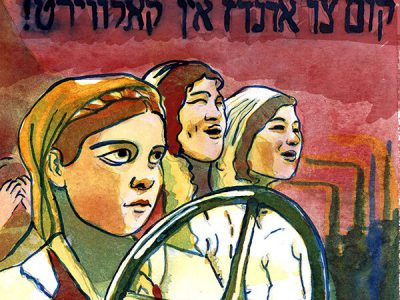
    [post_title] => How the Soviet Jews changed the world: A graphic tale of tragedy and triumph
    [post_excerpt] => Soviet Jews played a critical role in the history of the USSR and, by extension, the trajectory of the Cold War and the history of the twentieth century.
    [post_status] => publish
    [comment_status] => closed
    [ping_status] => open
    [post_password] =>
    [post_name] => how-the-soviet-jews-changed-the-world-a-graphic-tale-of-tragedy-and-triumph
    [to_ping] =>
    [pinged] =>
    [post_modified] => 2026-08-06 19:43:18
    [post_modified_gmt] => 2026-08-06 19:43:18
    [post_content_filtered] =>
    [post_parent] => 0
    [guid] => https://conversationalist.org/?p=3053
    [menu_order] => 186
    [post_type] => post
    [post_mime_type] =>
    [comment_count] => 0
    [filter] => raw
)
WP_Post Object
(
[ID] => 2270
[post_author] => 2
[post_date] => 2021-01-22 16:48:56
[post_date_gmt] => 2021-01-22 16:48:56
[post_content] => Can a single activist bring down Vladimir Putin?In December of 2011, the name Alexey Navalny was everywhere in Moscow. Then a 35 year-old lawyer turned popular anti-corruption blogger, he inspired unprecedented street protests after Vladimir Putin’s party won 50 percent of the parliamentary vote in an election that was widely viewed as fraudulent. Even the most cynical members of the Moscow Hack Pack, as foreign correspondents called themselves, were stunned and impressed by the protests. By December 24 the crowds swelled to 120,000, according to organizers. For the first time in about a decade, Vladimir Putin’s so-called “managed democracy” faced an opposition that captured the attention of mainstream Russians. Russian police cracked down harshly on the protest organizers. Many were arrested and imprisoned—including Navalny, who was sentenced to 15 days in jail for “blocking traffic.” Over the next decade Navalny became the best known and most popular leader of the opposition to Vladimir Putin’s anti-democratic rule. He established the Anti-Corruption Foundation (FBK); under its auspices, he published documentary evidence of the dirty, corrupt dealings between oligarchs, state corporations and Putin. Within two years of the 2011 protests, he was widely regarded as the most potent opposition to Putin and his United Russia Party, which Navalny called “the party of thieves and crooks.”In 2013 he ran for mayor of Moscow, winning a remarkable 27 percent of the vote in a four-way contest, but ultimately losing a run-off to incumbent Sergei Sobyanin—a Putin appointee—in a result that Navalny and his supporters said was tainted by vote falsifications and violations. The police and FSB continued to persecute Navalny with detention, house arrests, and a criminal investigation on trumped up corruption charges. But he remained undeterred, and his popularity continued to grow. Navalny was the international face of Russia’s opposition, widely regarded as the only viable threat to Putin’s power. Tellingly, Putin has never spoken Navalny’s name, which Kremlin observers say is a sign of weakness. Imprisonment, house arrest and threats failed to deter the activist, so perhaps it was inevitable that Putin would try something more lethal to bring down his rival.In August 2020, while on a domestic flight, Navalny collapsed in excruciating pain. He was taken to a local hospital, then evacuated to Germany for treatment. French and Swedish lab tests confirmed that he had been poisoned by Novichok, the Soviet-era nerve agent. Russian authorities, of course, denied having poisoned the activist. But in a widely publicized audio recording, Navalny himself managed to elicit a confession from an agent of the FSB; the man not only confirmed that Russia’s Intelligence agency had poisoned Navalny, but explained that they had done so by putting the toxic substance on his underpants. There is something very personal and humiliating about trying to kill a person that way. This past Sunday Navalny returned to Russia for the first time since the Novichok incident, in a move that many supporters thought was foolhardy but all agreed was very brave. Police detained him as soon as he landed, taking him from the airport to Moscow’s notorious Matrosskaya Tishina prison, where he awaits trial for failing to check in with his parole authorities over a suspended prison sentence in a politically motivated fraud case. Sergei Magnitsky, the anti-corruption crusader for whom the Magnitsky Act is named, was infamously tortured to death in the same prison.In order to defeat a political foe in Russia, you must also emasculate him (I’m using this pronoun deliberately, as power in Russia is fundamentally male-centric). I think this is why videos of a poisoned Navalny moaning in pain were such a hit with Kremlin trolls and various lackeys. It seemed like the ultimate defeat at the time. It’s also why Navalny’s brave and defiant return to Russia, in spite of the state making it obvious that he should not go back, is all the more powerful. Navalny, who was a lawyer and a businessman before he became a prominent member of the opposition, was a well-known Russian nationalist. Some of his nationalist activity, such as using ethnic slurs against Georgians, he has disavowed. At the same time, Navalny’s specific and frequent criticism of the Chechen dictator, Ramzan Kadyrov, and the violent misogyny espoused by Kadyrov and his officials, is clearly not something Navalny regrets. Those of us who observed the rampages of wealthy Chechens in Moscow thought Navalny had a point there. The Kremlin’s completely hands-off approach toward Chechen officials had resulted in lawlessness that’s monstrous even for a country like Russia, and that kind of sickness was never going to stay contained in Chechnya. In channeling Russian resentment against Chechen leader Ramzan Kadyrov & Co., Navalny certainly increased his relevance early on — but it was his investigative work into the corruption of mainstream Russian officials that really hit the mark in recent years. That’s because Navalny understands the helpless frustration that Russian corruption engenders. Even among Russian citizens who still support Putin, there is anger at the wealthy clans that surround his throne. Putin himself knows this, which is why he clearly considers Navalny dangerous.
In July 2013 I reported on a downtown Moscow protest that erupted after Navalny first registered for the mayoral election and was swiftly given a prison term, before the votes could be cast. The weather was hot and stifling that day. An older woman in the crowd next to me made an odd remark—something about still believing that Putin was OK, because “surely he doesn’t realize that they’re putting Navalny in prison,” but that what was happening to Navalny was just beyond belief at this point.
I couldn’t get the woman to give me her name and go on the record, but I’ll never forget the duality of her thinking. It’s the kind of duality that has enabled Putin to stay in power for as long as he has, but yet has also contributed to Navalny’s stardom — all because it allows Russian citizens to pick and choose what facts to believe. They can, for example, admit that corruption in Russia is terrible, but, at the same time, will argue that Putin is a good guy who’s actively trying to fight it. They can disapprove of random repressions but wholeheartedly insist that Putin’s government is not to blame for them.
Navalny did not go to prison on that occasion. Instead, he went on to do more high profile anti-corruption work. The politically motivated court cases against him stacked up. He was attacked from all sides, including by Russian oppositioners jealous of his charisma and success. Together with his wife Yulia, his resolute companion and the mother of his two children, he has persevered. Now his fate is again uncertain.
It is especially uncertain, because less than 48 hours after Navalny was put behind bars, his team released a major investigation into Russian corruption that the Washington Post describes as a “bombshell” that “crossed all Putin’s red lines.” In video posted to YouTube and to his Instagram account, which has 3.5 million followers, Navalny narrates footage of a stupendously lavish residence that he calls “Putin’s palace” and “the world’s biggest bribe.” Built on the Black Sea, the “palace” includes an ice skating rink, casino, theater, and helicopter landing pad; it cost, according to Navalny, about $1 billion in taxpayer funds. Putin has not disclosed the residence on any official forms. As of this writing, the video has been viewed more than 50 million times.
According to Bloomberg News, the Kremlin now plans to seek a 13.5 year jail sentence for Navalny, in an attempt to derail his anti-corruption movement. Navalny's supporters are calling for nationwide protests on Saturday; Russian police already harassing well-known activists and trying to force social media platforms to delete posts calling upon people to join the protests, as this young woman does in a TikTok video.
It would be impossible to document every tragedy, indignity, and controversy of Alexey Navalny’s political life here. To do so would take a book, if not several books. Meanwhile, perhaps the most important lesson about his trajectory has to do with his dedication.
For years, my fellow journalists and I argued about every twist and turn in his story. People have said, “Now he will surely give up.” “He will consider the safety of his family.” “He will go into exile.” None of those predictions came to pass. Since returning to the States from Moscow, I have used Navalny as a cautionary tale for people seduced by the administration of Donald Trump. I have told them that what Putin did to Navalny is something that Trump would love to do to all of his critics, if he had the opportunity and means. I have pointed out that Putin’s authoritarianism is something that Trump always admired. “Is this what you want for your own country?” I’ve said. “To be hounded by the police, and the courts, and every other government attack dog just because you care about official accountability?” Many of my fellow Americans have argued to me that such lawlessness could never take root here. But the January 6th attempted insurrection did give a lot of them pause. The thing about democracy is that it can be fragile. After all, institutions are only as good as the people who occupy powerful positions within them. Russia has plenty of institutions. Russia even used to have a decent constitution — until recent, sweeping changes. None of that matters on the ground, where repression and corruption remain the norm. As we move on from Trump, it’s something for Americans to consider, to humble ourselves just a little, and to think long and hard about what transparency and rule of law mean for us. What Navalny is fighting to create is something that we must be willing to preserve.
[post_title] => Alexei Navalny: The Russian anti-corruption activist who refuses to back down
[post_excerpt] => Five months after he was airlifted to a German hospital to recover from Novichok poisoning, allegedly by the FSB, Alexei Navalny returned to Russia. Police arrested him at the airport, but even from jail he continues to challenge Putin with revelations about the Russian leader's alleged corruption.
[post_status] => publish
[comment_status] => closed
[ping_status] => open
[post_password] =>
[post_name] => meet-alexey-navalny-the-russian-anti-corruption-activist-who-is-a-thorn-in-putins-side
[to_ping] =>
[pinged] =>
[post_modified] => 2026-08-06 22:56:02
[post_modified_gmt] => 2026-08-06 22:56:02
[post_content_filtered] =>
[post_parent] => 0
[guid] => http://conversationalist.org/?p=2270
[menu_order] => 230
[post_type] => post
[post_mime_type] =>
[comment_count] => 0
[filter] => raw
)
WP_Post Object
(
    [ID] => 2068
    [post_author] => 2
    [post_date] => 2020-09-17 16:30:03
    [post_date_gmt] => 2020-09-17 16:30:03
    [post_content] => The curious case of the Russian grassroots movement that borrows racist and alt-right language from America to advocate for the rights of white anti-Putin protesters.

As a Black woman who is an historian of the Soviet Union and Russia, the Black Lives Matter movement has put me in an interesting position. The ongoing demonstrations taking place across the United States illuminate the depths of the physical, spiritual, and emotional violence that African Americans and ethnic minorities experience. The Trump administration’s response is callous and includes the use federal power to violate the protestors’ first amendment rights. In Russia, meanwhile, while responses to the protests have ranged from empathy to victim-blaming, one hashtag caught my attention: it is called “Russian Lives Matter.”

Despite its name, RLM does not seek solidarity with BLM. The Russian version calls out police violence committed against anti-government protestors. To be clear: police also target ethnic minorities, such as migrants from Central Asian countries like Uzbekistan, but RLM advocates specifically for ethnic (i.e., white) Russian citizens. The largely overlooked element in the Russian Lives Matter movement is its “borrowing” of American racist and alt-right language.

While a Twitter search for the hashtag Russian Lives Matter brings up a few responses in support of the demonstrations in America, many more regurgitate the Kremlin’s messaging, which mirrors the right-wing American response—i.e., that protestors are criminals and looters, and that the demonstrations are contrary to the spirit of Martin Luther King, Jr. The latter is a popular argument in both the United States and Russia, with the right using it to dismiss the validity of the contemporary struggle for civil rights—not realizing that Dr. King was murdered for his perceived radicalism.

In the United States, the right describes Black Lives Matter protests as riots, planned violence, and “poison.” This language is meant to portray the movement as anything but what it is—i.e., one that demands accountability and reform of the public institutions that maintain the racist status quo.

Many Russians deny that racism exists in their country. Alina Polyanskikh, a Russian television presenter who is Black, described her experiences with overt racism, and with those who deny its existence, in a recent blog post. When Afro-Russian blogger Maria Tunkara posted on her social media accounts about her experiences with racism, she was threatened and even investigated by the prosecutor in St. Petersburg. Popular Russian memes about the American protests compare African Americans to apes and call them thugs; the vilest make fun of George Floyd’s killing at the hands of American police.

My first reaction to these images was disgust, then sadness. They reminded me of my first experience with racism in Eastern Europe, when in spring 2011, I spent a couple of weeks in Varna, Bulgaria, volunteering at an orphanage for Roma children. On one of our first visits, the children (a range of elementary-aged kids) encircled me and called me a “n----r” and “monkey” to the tune of “Ring Around the Rosie.” I was mortified and deeply hurt; seeing my reaction, one of the kids ran off to tell the orphanage director, who made the other children apologize. I did not understand how children in Bulgaria knew the racist slurs that whites had directed against me when I was growing up in southeast Texas in the 1990s and early 2000s. Now, almost ten years after my experience at the orphanage in Bulgaria, I see the people who inhabit the corners of the Russian-language internet using the same slurs.

American ideas of racism and the racist undercurrent of conservative populism have a transnational impact that is now felt in Russia. As Natalia Antonova wrote in the early months of the Trump administration, many American racists see Russia as a “white man’s paradise” where there is no political correctness, no vocal ethnic minority demanding rights, and no legal protections for the LGBTQ community. An exploration of the connections between American and Russian white supremacist groups provides further insight into this phenomenon.

The Southern Poverty Law Center’s (SPLC) Hatewatch initiative has documented the close relationship between white supremacist groups in Russia and the United States. In 2018, members of League of the South, an Alabama-based white supremacist group, launched a Russian-language version of their organization’s website. Michael Hill, the League’s leader, said that Russians and American white supremacists have in common “real, organic factors such as shared blood, culture, and religion.” This idea of a shared culture or blood is a dog whistle for a shared white race.

The SPLC also examined the “strange alliance” between Russian Orthodox monarchists and radical white Evangelicals in the annual meeting of the World Congress of Families (WCF). The WCF is an ultra-conservative religious group; its goals include promoting anti-LGBTQ legislation. Participants in the group include far-right and nationalist groups across the United States, Europe, and Eastern Europe, all committed to white supremacism. In this case, Russia reflects American racist ideology.

Claims of a shared culture and religion notwithstanding, the image of a “white paradise” is belied by the numbers that illustrate its ethnic diversity. Russia is home to hundreds of ethnic minorities that speak over 100 languages. It has not seen the mass protests against racism that spread across Western Europe since the murder of George Floyd, but Afro-Russians, Africans, and Central Asians who live in Russia have spoken out and led discussions about their experiences of racism and prejudice.

These discussions can complicate our understandings of how racism assimilates into the relatively unique context of Eastern Europe and the post-Soviet space. Russia does not have a history of institutionalized racism against people of color (POC) like those of the United States and the former imperial states of Europe. This is not to erase the treatment of Jews, and people from the Caucasus and Central Asia who had long been targets of institutional racism and oppression in the Russian empire. In fact, the Soviet Union did not track race in its censuses. People were classified by their nationality; thus, their race was not even a possibility of official identification. This fact lends itself to current understandings of racism and prejudice in Russia.

In contemporary Russia, POC are called racial slurs, denied housing, violently beaten, and sometimes killed. Acquaintances from Russia and Ukraine have posited that these documented cases of racism are manifestations of xenophobia—i.e., that POC are not trusted or are not treated as equals because they are outsiders. But this logic illustrates the greater issue. It shows that people who have dark skin, even if they were born in Russia or are permanent residents, are still excluded from the dominant concept of who is Russian.

There is a Janus-like dichotomy when it comes to Western media portrayals of Russia. Some American conservatives see Russia as a paradise for white heterosexuals, while some American liberals see Russia as an authoritarian regime plotting to destroy U.S. democracy. From my own relatively unique position, I see in Russia a mirror of the United States.

The language and logic of racism in Russia, particularly toward Black people, is not an organic development. Throughout the Soviet period, African American and African people visited, studied, and lived in a country with relatively few incidents of race-based violence (although one African student was murdered in 1963). Even the use of racist language was different. Central Asians were called “chornyi” (black) as a slur, but Blacks were called “negr” (similar to “negro,” but without the negative connotations the word carried in the U.S..)

Since the collapse of the Soviet Union, the Russian lexicon of racism has absorbed elements from America. If Americans and Russians can take away any lessons from this development, it is that anti-racist forces in both countries need to engage with one another and build alliances. Because the forces of white supremacy certainly have.
    [post_title] => Russia as a mirror of American racism
    [post_excerpt] => Some American conservatives see Russia as a paradise for white heterosexuals, while some American liberals see Russia as an authoritarian regime plotting to destroy U.S. democracy. From her own relatively unique position as a Black American who studies Russia, the author sees in Russia a mirror of the United States.
    [post_status] => publish
    [comment_status] => closed
    [ping_status] => open
    [post_password] =>
    [post_name] => russia-as-a-mirror-of-american-racism
    [to_ping] =>
    [pinged] =>
https://conversationalist.org/2019/01/22/russia-as-a-white-mans-paradise-other-scary-reasons-why-trump-adores-putin-and-what-to-do-about-it/
    [post_modified] => 2026-08-06 23:00:10
    [post_modified_gmt] => 2026-08-06 23:00:10
    [post_content_filtered] =>
    [post_parent] => 0
    [guid] => http://conversationalist.org/?p=2068
    [menu_order] => 246
    [post_type] => post
    [post_mime_type] =>
    [comment_count] => 0
    [filter] => raw
)
WP_Post Object
(
[ID] => 1394
[post_author] => 2
[post_date] => 2019-09-27 14:24:25
[post_date_gmt] => 2019-09-27 14:24:25
[post_content] => A deep forensic investigation into one of the greatest aviation tragedies in history highlights the critical role of transparency and the role of the law in a conspiracy-minded, 'post-truth' society.Besides the initial shock and horror of what happened, there was, of course, the visual carnage. Malaysian Airlines Flight 17 (MH17) was shot down on July 17, 2014 in Ukraine, over a war zone controlled by Russian and pro-Russian forces, killing everyone on board. Photographs of the bodies of the 298 innocent victims, many of them children, are seared onto the world’s collective memory. The recovery of the bodies was a grotesque nightmare made more appalling by the ongoing conflict in the area. Even from a distance, one felt abused by what was going on — to this day, I still think about the Ukrainian emergency workers who did most of the work; they were initially criticized as uniformly careless and incompetent, but in fact they had been more dedicated than anybody thought. What happened to the flight felt like a curse, a sacrifice to the deranged god of war. Then, of course, came the questions. Who had shot the plane down, and why?I work for Bellingcat. It is an online investigative collective that became famous for the thorough forensic research it did to debunk the lies and conspiracy theories that Russia disseminated in an attempt to prevent the truth about MH17 from being discovered and made public — we work with open source materials and know how to scour the web for clues more quickly and efficiently than many established, but often times not nearly as flexible, news organizations. Although the legal process is ongoing, we know that the Russian military was involved in bringing the plane down. We also know that Russia has been doing all it can to delegitimize the legal proceedings surrounding what happened — and not always succeeding.Russia’s obfuscations, painfully obvious as they are, are also indicative of our collective need to adopt a strategy called legal realism. — an approach to the law that is based on empirical evidence. Being a legal realist means dealing with legal facts in a non-sensationalist but also holistic manner. It’s taking the facts of a case into account while also understanding why a case is important and who or what it impacts — i.e., not treating it in isolation. For example, if a president abuses power, you establish the abuse and take into account the corrosive effect such a case has on democratic institutions.In a world of deep fakes, demagogues, and eroding trust in our established institutions, legal realism is essential — it provides a way for us to re-establish that trust, and to strengthen rule of law.
The arm of the law is long for a reason
The internet is home to many conspiracy theories about MH17. Some of them were created and spread with the help of Russian propaganda, while others are the product of the independent tinfoil hat brigade. The explanation that emerged from the forensic analysis is clear: Russian forces mistook MH17 for a military plane and shot it down; and then the Russian government denied that it was at war with Ukraine — although it was, and still is. But many people reject this explanation; perhaps it strikes them as too banal. Conspiracy theories are comforting because they provide an overarching framework to the brutal chaos of war — and of life in general. It wasn’t a mistake, it was a cunning plot by Ukraine and Hitlary Kkklinton (an influential woman must always have some role to play) to frame Russia! It was a cover-up for doomed flight MH370! It was the lizard people!Unfortunately, the lengthy and cumbersome legal investigation into the fate of MH17 has had the unintended side-effect of fueling this madness. I am often asked, for example, why it has taken so long to bring charges against anyone. They claim is that if the case was really so clear, investigators would not have needed years to look into the matter. I’ve written about aviation and aviation safety on and off for years, so I remind people that even a seemingly straightforward crash that does not take place in a war zone can take years to investigate. When a crash in a war zone involves a local power that is very keen to throw investigators off the scent, the investigation becomes extremely complex. This is just one reason why legal realism is so important, although fake narratives are sexier and more dramatic.There is one thing that feels better than drama, though, and that’s the righteous calm of acceptance. This is why I try not only to explain the legal process surrounding disasters, but to remind people that mistakes are actually very common. One of the most stunning examples of a near-mistake prevented by pure courage is exemplified by the story of Soviet Lt. Colonel Stanislav Petrov, who in 1983 prevented a nuclear holocaust because he recognized an alert of incoming missiles was in fact a computer error. Petrov, who died earlier this year at the age of 77, was a hero — that one guy with nerves of steel who had the courage to make a decision that conflicted with his orders, and which ultimately held billions of lives in the balance. Very few people have that courage, which is why we are at such risk of catastrophe by human error.A major part of being realistic about the legal process is accepting human nature. The accurate version of the events of July 17, 2014 might be simple and therefore more grim, but the history of civilization bears it out. The judgments of history, however, rarely bring closure.
Don’t mistake legal justice for the sense of justice
What can make up for the lives lost on MH17? What can make this tragedy more bearable? I am often told that the answer is “nothing” — and that the pursuit of legal justice is therefore meaningless, or, better yet, performative. “Even if Russia did it, nothing is going to bring those people back,” people have told me in the immediate wake of the tragedy in Moscow, that formidably gorgeous city where legal norms, not to mention the norms of reality, are constantly in flux.We’re inculcated with the belief that legal justice brings closure and peace — otherwise, we think, what is the point? People feel cheated if they do not receive justice.The purpose of legal justice is not to bring closure, but it is nonetheless very important. By enforcing the law, we enforce the very concept of a law-abiding society — if you need a lesson in why that’s important, look no further than the social dislocation and random lawlessness in Russia itself, a country that went from legal chaos to legal nihilism after the fall of the Soviet Union. Legal nihilism is not symbolic, it really means the difference between whether or not the police will protect you or hit you up for a bribe, or whether a judge will collude with a prosecutor to withhold crucial evidence from trial and hand down a draconian sentence, something I’ve seen happen time and time again when I was a journalist working in the country.And if you want to know what happens when the concept of a law-abiding society is completely thrown out the window and institutions crumble, look no further than the Russian-occupied parts of eastern Ukraine, where MH17 was shot down. Via armed conflict and destabilization, carried out by Russia and some willing cohorts within Ukraine, parts of eastern Ukraine were effectively severed from the Ukrainian capital. The sham “governments” created there do not clearly answer to anyone, in fact, chaos is deliberately built into their very existence and is a feature and not a bug (no matter what Russian propaganda will claim). While this has obviously resulted in a prolonged war — it has also resulted in tragic byproducts of said war, of which MH17 is only the most famous example. The fate of MH17 emphasizes and reinforces that we need a credible legal system that operates transparently. Without one, bodies rain out of the sky. Remember — the people who shot down the plane that day were there illegally, answering to God-knows-who, obviously given free reign to shoot at whoever they thought was a threat. In this case, the “threat” turned out to be a passenger liner.And if you think that lack of respect for the law is some sort of “exotic” problem, that only happens “in those countries over there” — I bring you the whole of the Trump administration. The president’s most fervent supporters will actually support me on this one; they’re the ones yelling at his rallies for the president to break the law. What they don’t understand is that civilization is fragile. When legal norms break down, we are all left vulnerable.
[post_title] => When a plane fell from the sky, the lies rose up to meet it
[post_excerpt] => Few crimes have affected the modern world like the MH17 tragedy, when a Malaysian Airlines passenger flight from Amsterdam to Kuala Lumpur was shot out of the skies over eastern Ukraine on July 17, 2014.
[post_status] => publish
[comment_status] => closed
[ping_status] => open
[post_password] =>
[post_name] => when-a-plane-fell-from-the-sky-the-lies-rose-up-to-meet-it
[to_ping] =>
[pinged] =>
[post_modified] => 2026-09-15 23:16:16
[post_modified_gmt] => 2026-09-15 23:16:16
[post_content_filtered] =>
[post_parent] => 0
[guid] => https://conversationalist.org/?p=1394
[menu_order] => 300
[post_type] => post
[post_mime_type] =>
[comment_count] => 0
[filter] => raw
)
WP_Post Object
(
[ID] => 751
[post_author] => 10
[post_date] => 2019-03-22 17:24:56
[post_date_gmt] => 2019-03-22 17:24:56
[post_content] => While westerners argue about whether or not disinformation really exists, eastern European states have figured out how to combat it. On a recent Friday night in Kyiv, the capital of Ukraine, about one hundred people gathered in an open concrete atrium. At first glance, it appeared to be a normal birthday celebration — there was ample champagne and a DJ spun records in the corner — until the guests started reading excerpts from George Orwell’s 1984. The guest of honor was not a person, but an organization: StopFake, one of the first organizations to draw attention to and fight the now familiar phenomenon of Russian disinformation, was marking its fifth birthday.While the term “fake news” gained prominence in the West only after the 2016 U.S. presidential election, organizations across central and eastern Europe like StopFake have been battling disinformation for years. What they possess that Westerners lack is a clear-eyed recognition of Russian intentions and tactics. For the citizens of countries in the post-communist space, Russian disinformation isn’t foreign, ancient, or theoretical; it is a lived experience, and one that moves their societies past debate about its existence and toward practicable solutions.Meanwhile, the western world is still debating whether disinformation exists, and if it does, whether or not it is effective. But it has not yet begun to fight it. For lessons, the West would be well advised to look eastward.
Back in the USSR
It wasn’t long ago that the former communist bloc was subject to a constant barrage of disinformation and propaganda from the Soviet authorities and their allies. The government-controlled press was the ultimate vehicle for “fake news,” and its influence permeated every aspect of life — including education, the arts, and science. The Soviet authorities set out to control the narrative about their rule. Three of their most egregious lies include: blaming the 1940 Katyn massacre of thousands of Polish military officers on Nazi Germany, although it was in fact carried out by the KGB; denying that Stalin had deliberately allowed millions of Ukrainians to starve during the man-made famine of 1932-33 known as Holodomor; and the claim, manufactured and disseminated by the KGB during the 1980s, that the U.S. military had invented AIDS as part of a biological weapons project.
Lessons learned: How to identify propaganda
The Soviet Union’s lies unraveled with its demise. But it left the former Soviet republics and satellite states deeply mistrustful of the Russian Federation. This historical experience is part of the reason officials across the former communist space now describe their populations as “inoculated” against Soviet propaganda. But this mistrust is not enough to protect all people from the internet, which has proven an insidiously effective mechanism for disseminating disinformation. During the Soviet period, official propaganda was relegated to the pages and airwaves of state newspapers and broadcast outlets. Information did not move nearly as quickly as it does today, in the internet age; but even more importantly, it was clearly recognizable as state-sponsored propaganda because it was published by state-owned media outlets. But while the purpose of Soviet propaganda was to promote a single political ideology the purpose of contemporary disinformation disseminated by the Russian Federation under Vladimir Putin is only to sow chaos. It has no political ideology; Russia’s strategy today is to promote many points of view, including some that are at polar opposites of the political spectrum. The tools available to anyone on the internet allow disinformation to travel across the world at the click of a mouse, and to be micro-targeted to reach exactly the audience that will find it most appealing. Russia and other bad actors, both foreign and domestic, use these tools weaponize the fissures in our societies, creating chaos and undermining the Western democratic order.Contemporary Russian disinformation weaponizes the fractures in target societies and amplifies them via traditional media. They disseminate state propaganda via Russia Today (RT), the state-sponsored TV channel that has a heavily watched YouTube channel, and online outlet Sputnik. Russia launders its propaganda stories via fake NGOs and fake experts who travel to conferences, appear on television, and conduct “research” in support of disinformation goals. Russian narratives are also supported and spread by local organizations, media outlets, and political parties in target countries. For example, in an attempt to destabilize Ukraine and neutralize support for the country’s democratic reforms both domestically and internationally, Russia advances the narrative that Ukraine is a “failed state” harboring “fascists” and violating the rights of Russian speakers who live in Ukraine (approximately 30 percent of Ukrainians are native Russian speakers). These narratives begin on Russian state television and travel to local Russian media properties abroad. In some cases, their editorial control is clearly labeled; but in other cases the reporting outlets attempt to disguise themselves as legitimate local media outlets, when in fact they are government owned-and-operated propaganda outlets. Facebook recently removed over 100 pages and accounts that were driving traffic in Ukraine to Sputnik, the Russian state-owned outlet that is one of its propaganda arms.
How to combat Russia’s online troll army
Eastern Europe has been quick to recognize the threat of online propaganda, and to take action. Estonia, a Baltic nation that was occupied by the Soviet Union after World War Two, leads the NATO Cyber Center of Excellence, which researches and builds capacity among NATO members on cyber security. It has invested in Russian language media programs and educational initiatives to bridge the divide between the Russian and Estonian populations; this initiative came about after Estonia discovered in 2007 that Russia had released a massive cyber attack intended to divide Russian and Estonian speakers in that country. But the attack backfired: Today Estonia leads the EU and NATO in its efforts to build both national and global awareness about the Russian threat; just last week, it released an intelligence report about Russia’s intention to meddle in European elections in 2019.When disinformation weaponizing anti-migrant sentiment cropped up on shadowy outlets in the Czech Republic, the country created a “Center Against Terrorism and Hybrid Threats” within its Ministry of Interior to deal with information warfare. Across the region, including in Ukraine, where StopFake just celebrated its fifth anniversary after being formed during the height of the Euromaidan protests, when Ukraine was the epicenter of Russian disinformation, and in Lithuania, where a group of “elves” counter Russian trolls’ lies, fact-checking has taken on new life. It’s no longer the domain of journalists; it is an act of resistance.
Media literacy: The essential tool
But the Kremlin has financial and human resources that cannot be beaten back by armies of fact-checkers alone, no matter how large or well-funded. This is why the countries bordering Russia have also invested in their citizens as defense against Russian disinformation. In Ukraine, media literacy is now integrated into the secondary school curriculum. And a program for adults found that 18 months after attending a media literacy training, participants were 25 per cent more likely to consult multiple sources in their news consumption. Finland, though not part of the former communist space, has dealt with its fair share of Russian disinformation; it begins teaching media literacy in kindergarten. These responses show that while there is no silver bullet to fighting disinformation, a clear recognition from the government is critical in order to pursue the many prongs of programs and policies required to begin producing an effective response. The West must recognize the insidiousness of disinformation and implement programs and policies that both discredit the lies and teach people how to be critical media consumers. Since the 2016 election, our political leaders have further complicated the American response to disinformation by politicizing the issue. But until they recognize that Russian disinformation’s ultimate victim is confidence in our democratic system, the government will not be in a position to enter the important battle for truth and accuracy that Eastern Europe has been waging for years.
[post_title] => If the West wants to combat fake news, it should look to eastern Europe
[post_excerpt] => While westerners are still arguing about whether or not disinformation really exists, the countries of central and eastern Europe have been fighting it for years with serious policy implementation.
[post_status] => publish
[comment_status] => open
[ping_status] => open
[post_password] =>
[post_name] => if-the-west-wants-to-combat-fake-news-it-should-look-to-eastern-europe
[to_ping] =>
[pinged] =>
[post_modified] => 2026-08-07 16:46:22
[post_modified_gmt] => 2026-08-07 16:46:22
[post_content_filtered] =>
[post_parent] => 0
[guid] => https://conversationalist.org/?p=751
[menu_order] => 346
[post_type] => post
[post_mime_type] =>
[comment_count] => 0
[filter] => raw
)
How did we overlook billionaire Commerce Secretary Wilbur Ross’s overt financial ties with the Russian oligarchy?
Though Wilbur Ross's 2014 buyout of the Bank of Cyprus, a tax haven for Russian billionaires, has been documented in the press, it only made headlines in 2017. Spy games may capture our cultural imagination, but dirty money is what greases the machinery.
On February 16, six Democratic senators sent a letter to Wilbur Ross with questions about his Russia ties but the White House sat on his response. Cory Booker was the only senator to keep pushing into last week with follow-up questions. Ross sailed through his confirmation yesterday without answering them. We didn’t follow the money and now it’s in the White House.
In a way, the Bank of Cyprus, where Ross is the primary stakeholder and vice-chairman, symbolizes the failure of Western efforts to diminish Russian financial influence.
Cyprus was a notorious tax haven for Russian businessmen until the European debt crisis in 2013 led the bank to collapse. Russian businessmen lost billions fast. Putin refused to help and Germany was reluctant to bail out the Russian deposits. It wanted to force Russians out of the European bank and so during restructuring, deposits were converted into shares. Ironically, this gave majority ownership of the bank over to Russian plutocrats. As the Cypriot president, Nicos Anastasiades, said in June 2013, “They wanted to throw out the Russians but in the end, they delivered our main bank to the Russians.”
This is where Wilbur Ross comes in. Having already made money during the European debt crisis through a takeover of the Bank of Ireland, Ross led a 1 billion euro takeover of the Cypriot bank during the summer of 2014, including a buyout of most, but not all of the Russian plutocrats. Viktor Vekselberg, one of Russia’s richest men, became the second-largest shareholder in the bank through his Bahama-based conglomerate, Renova Group.
Ross recruited Josef Ackermann, former CEO of Deutsche Bank, Putin associate and a director at Renova Group, to join Bank of Cyprus’s board. Deutsche Bank is Trump’s largest creditor and was recently found guilty of enabling a $10 billion Russian money laundering scheme, funnelling money from Moscow to offshore accounts in Cyprus (!), among other places.
Besides Ackermann, Bank of Cyprus’s board includes Ross as vice-chairman, a position he shared until 2015 with former KGB agent and businessman Vladimir Strzhalkovsky. After Strzhalkovsky’s resignation, Renova Group executive Maksim Goldman stepped up as vice-chairman. These relationships are more than a little bit incestuous.
In his rage against Obama and Clinton over the Panama Papers and Crimean sanctions, Putin could never have planned a revenge fantasy which played out as well as it has for him — it’s too perfect. But Putin did set himself up for success.
Oil men, offshore accounts and corrupt businessmen are Putin’s bread and butter, and now he has Trump, Tillerson and Ross in the White House.
It’s unfortunate considering that the sanctions seemingly limited Russia’s financial bad behavior. In March 2016, just a week before the Panama Paper leaks revealed Putin’s off-shore investments in the Caribbean, Reuters reported on Moscow’s tighter regulation of off-shore business, citing Vekselberg’s choice to bring assets home to Russia as evidence of the Kremlin’s new muscle.
Imagine the field day these thieves will have when sanctions are lifted and secrecy is protected. Of all of the Trump team’s connections to Russia, Ross’s are explicit and well-documented and yet nothing has been done about them.
Trump’s campaign knew about Vekselberg even before he won. As Trump’s own ties to Russia were being questioned in the weeks before the election, his campaign issued a press release accusing the Clinton Foundation of being on Vekselberg’s dole. Trump regularly accuses Clinton of crimes that he has in fact committed.
Additionally, though it predates Ross’s involvement in the Bank of Cyprus, Senator Booker’s follow up letter asks Ross if he has any knowledge about the 2008 purchase of Trump’s Palm Beach home by Dmitry Rybolovlev, another Russian billionaire and investor in the Bank of Cyprus. Good luck getting an official answer now.
America’s obsession with Flynn’s phone calls should not come at the expense of investigation into Ross’s relationship with notorious money launderers. Ross has yet to resign from the Bank of Cyprus. He has said he intends to divest, but talk is especially cheap with the Trump administration. Such overt corruption in the highest echelons of our government is corrosive, and, unlike the rest of the GOPs policies, is sure to trickle down.
[post_title] => Wilbur Ross, Trump and Russia: Dirty money in the White House
[post_excerpt] => Oil men, offshore accounts and corrupt businessmen are Putin’s bread and butter, and now he has Trump, Tillerson and Ross in the White House.
[post_status] => publish
[comment_status] => open
[ping_status] => open
[post_password] =>
[post_name] => wilbur-ross-trump-and-russia-dirty-money-in-the-white-house-2
[to_ping] =>
[pinged] =>
[post_modified] => 2026-08-07 16:51:24
[post_modified_gmt] => 2026-08-07 16:51:24
[post_content_filtered] =>
[post_parent] => 0
[guid] => https://conversationalist.org/?p=419
[menu_order] => 361
[post_type] => post
[post_mime_type] =>
[comment_count] => 0
[filter] => raw
)



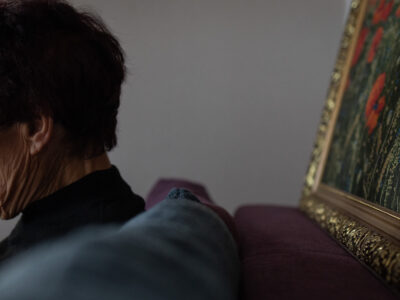


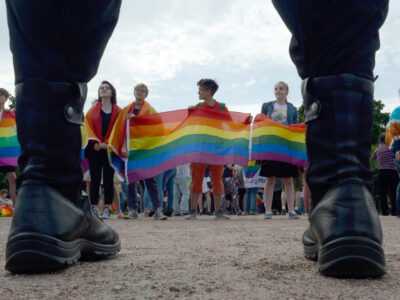
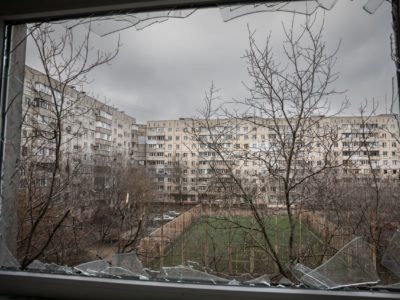
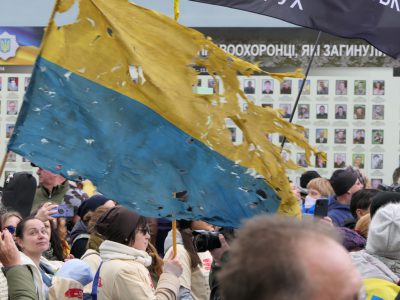
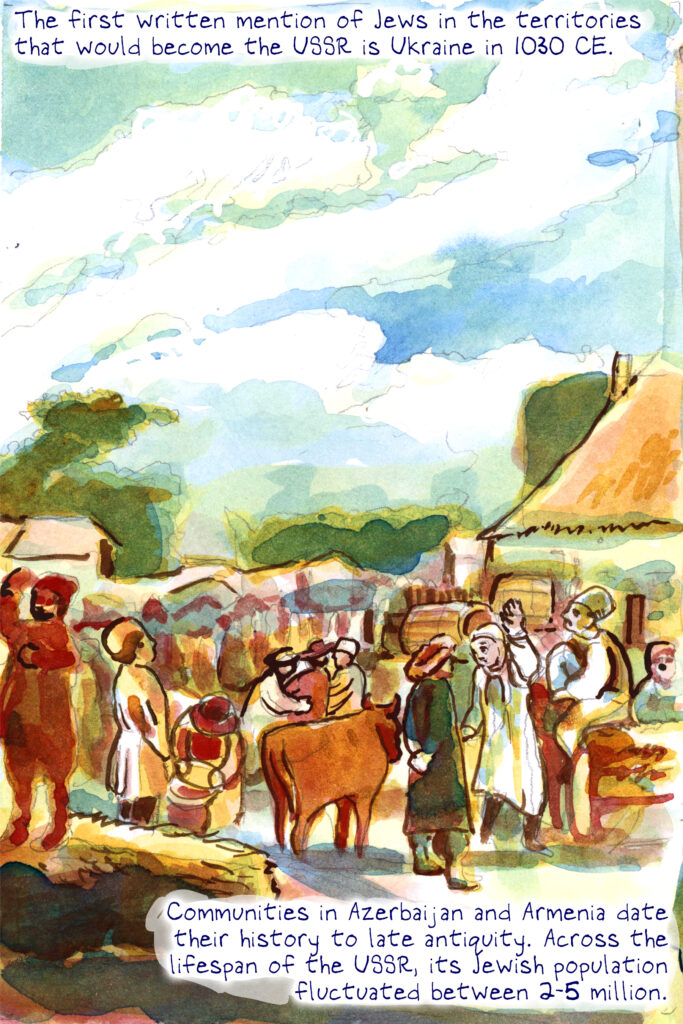
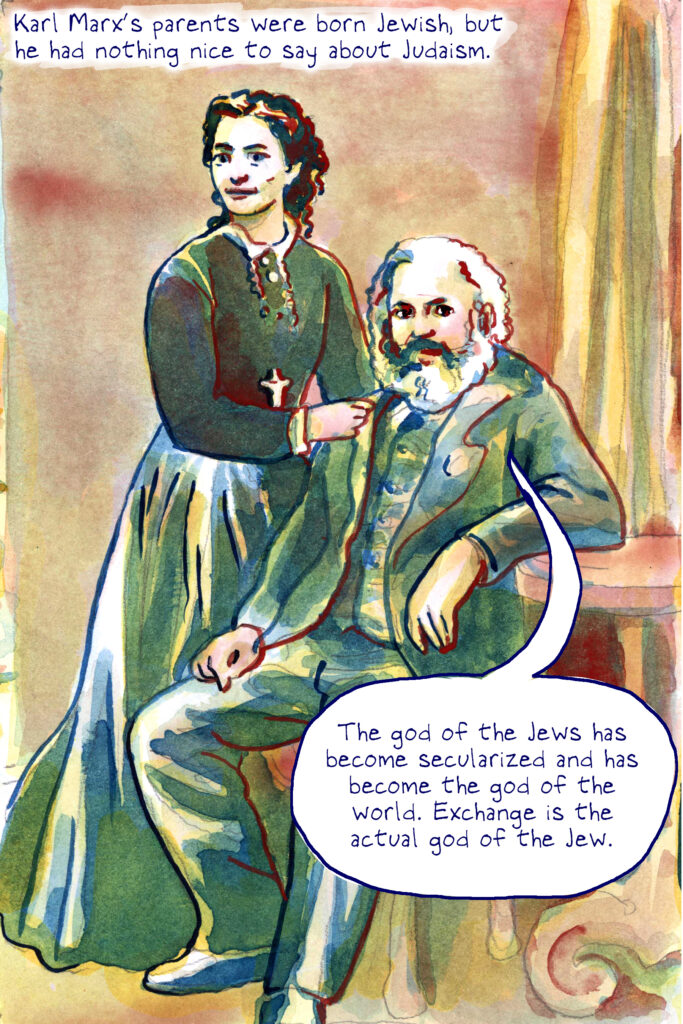
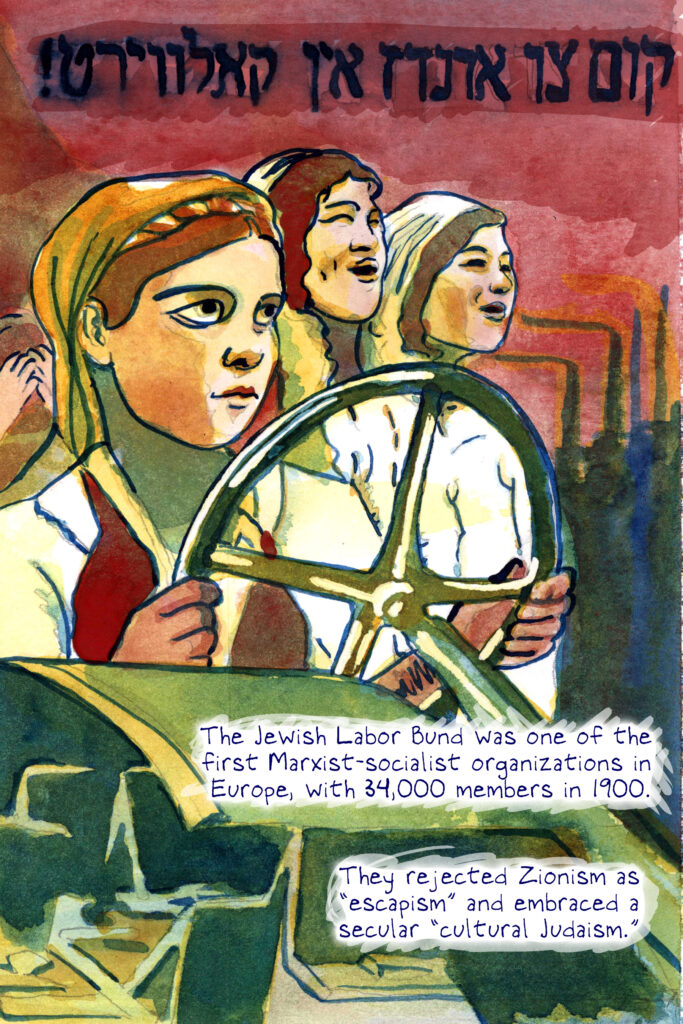
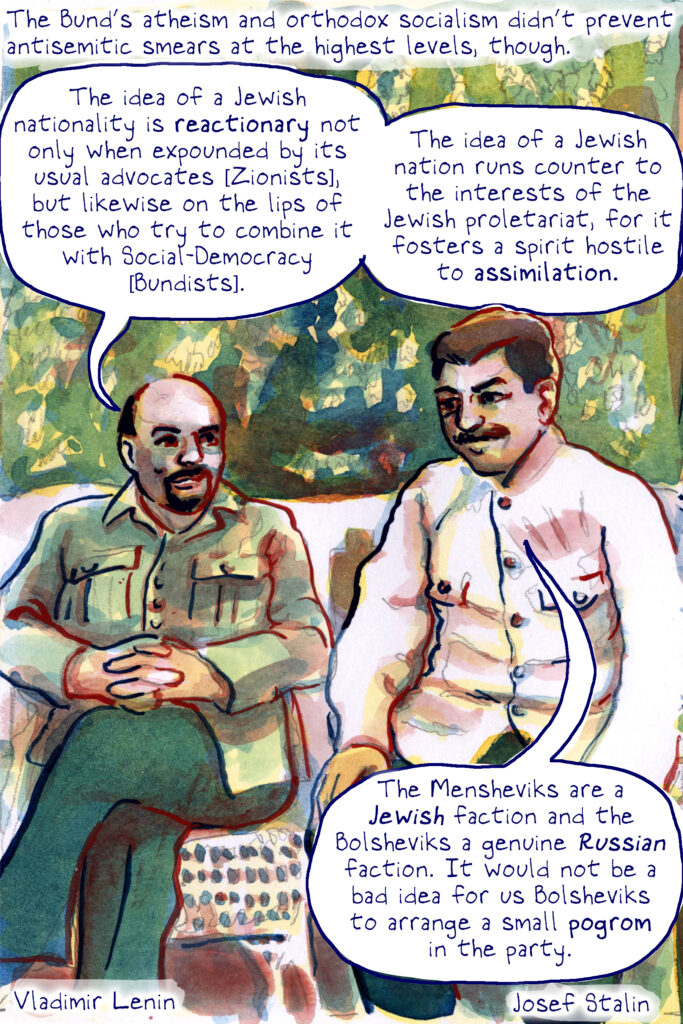

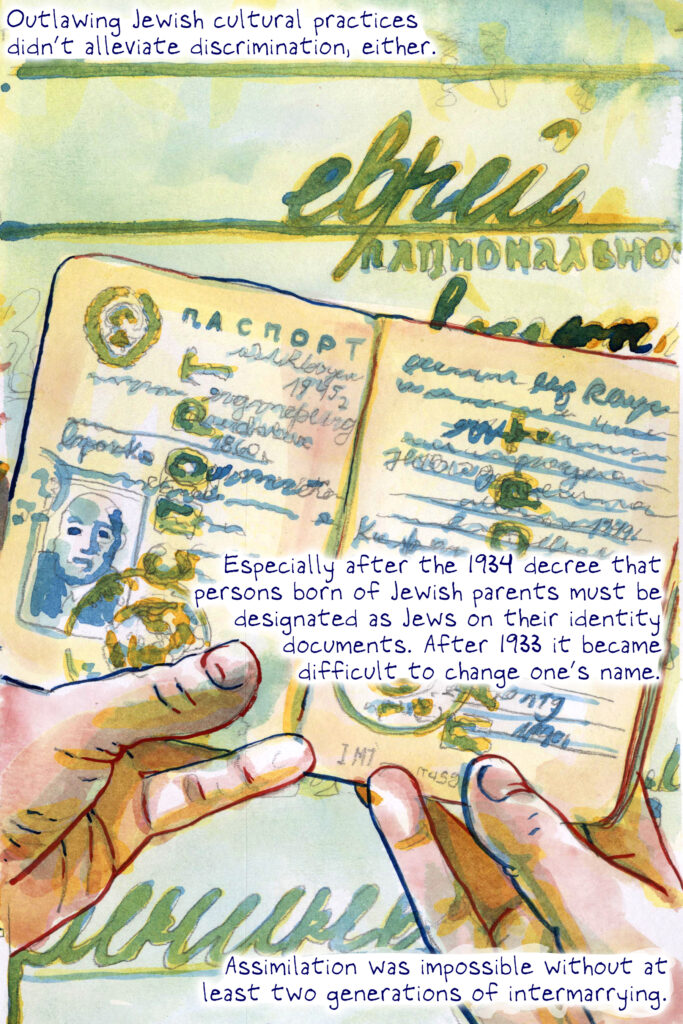
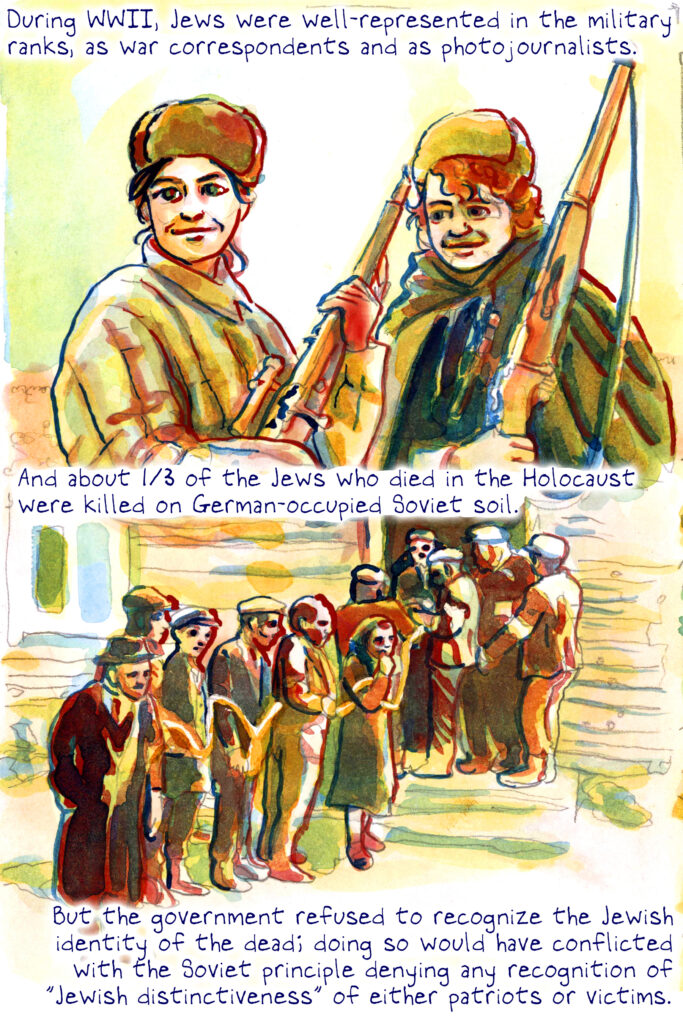
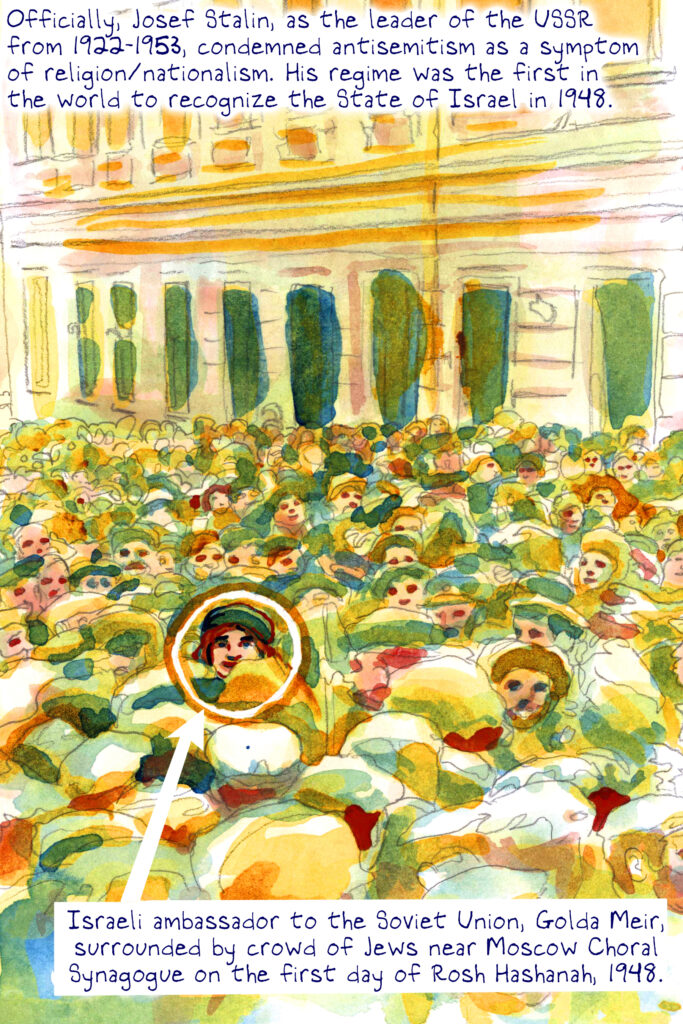
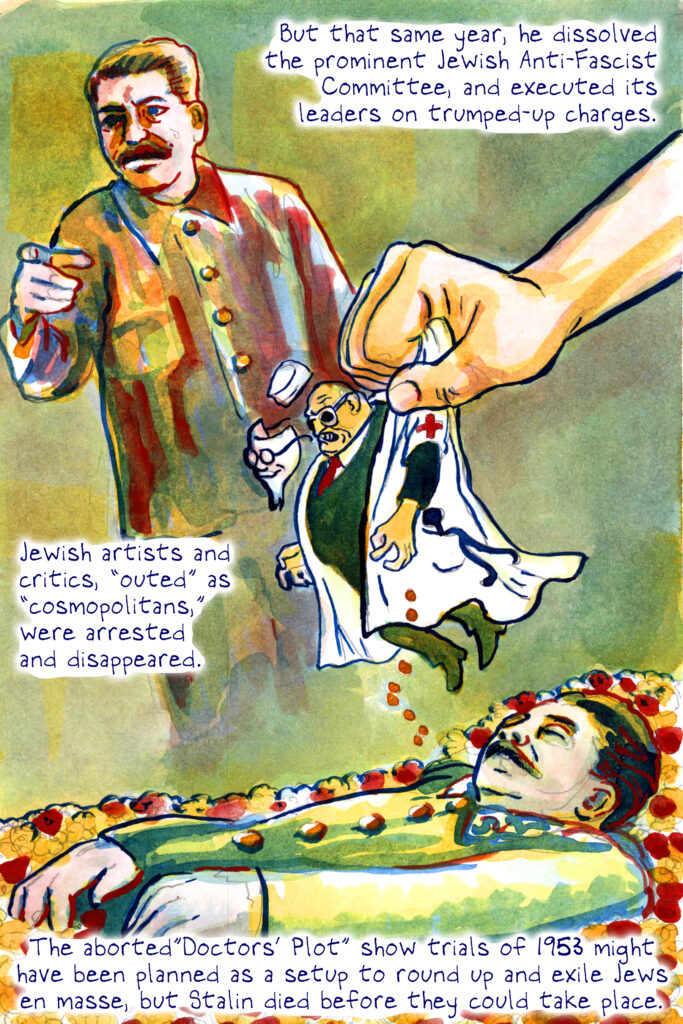
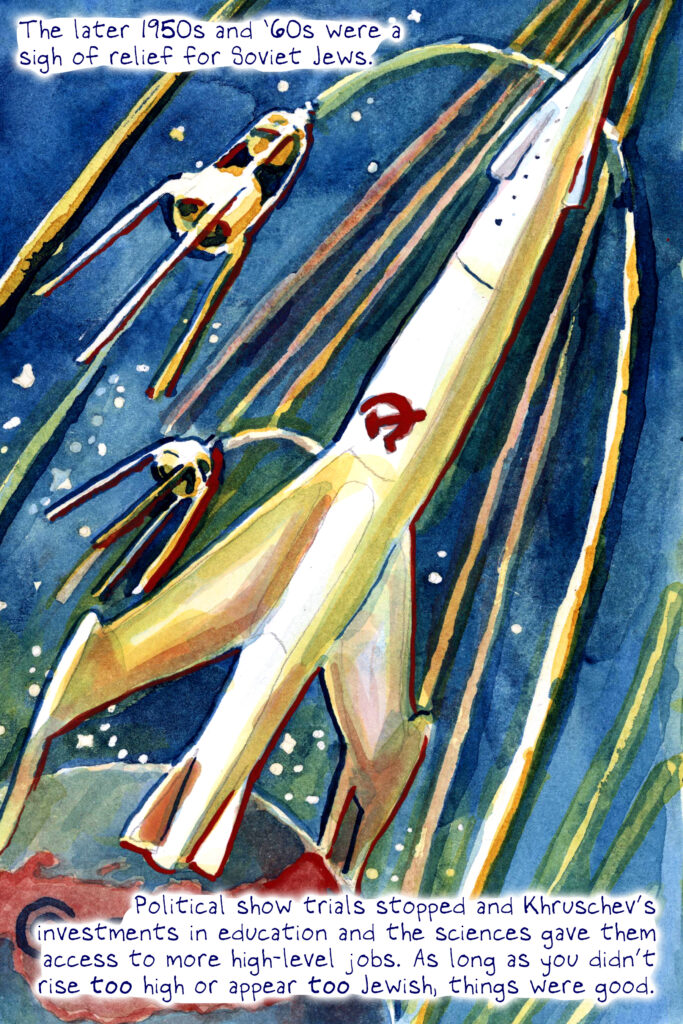
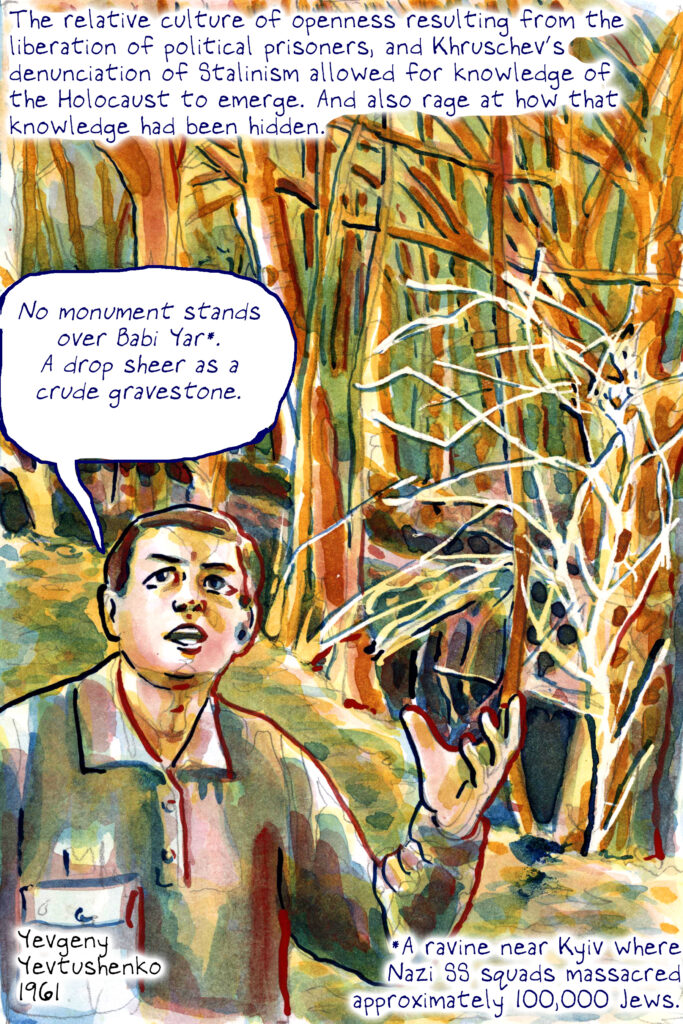
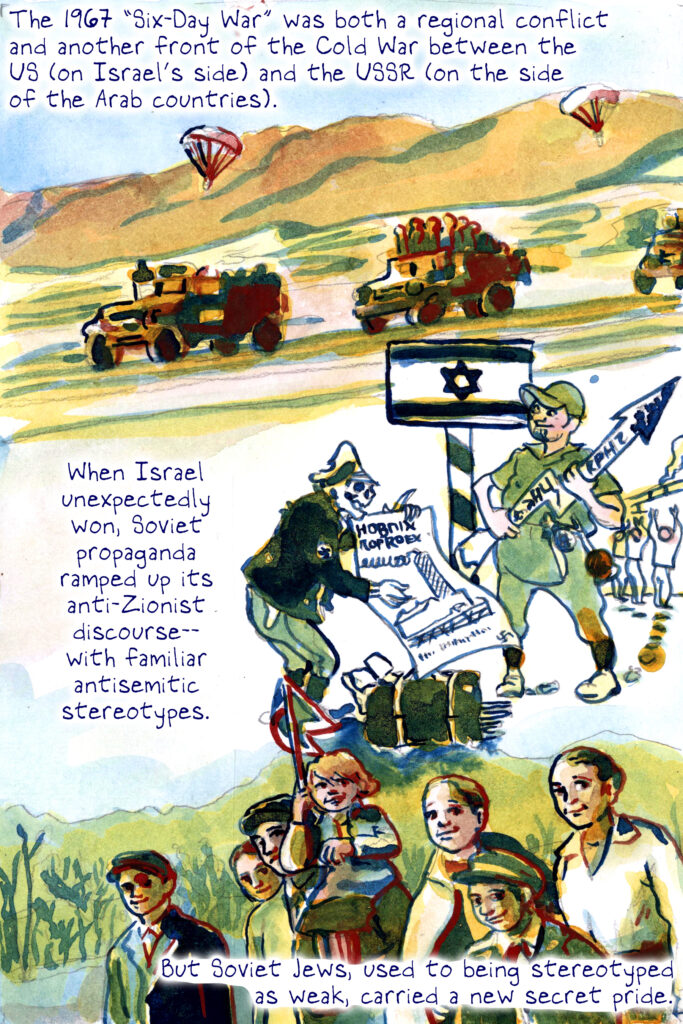
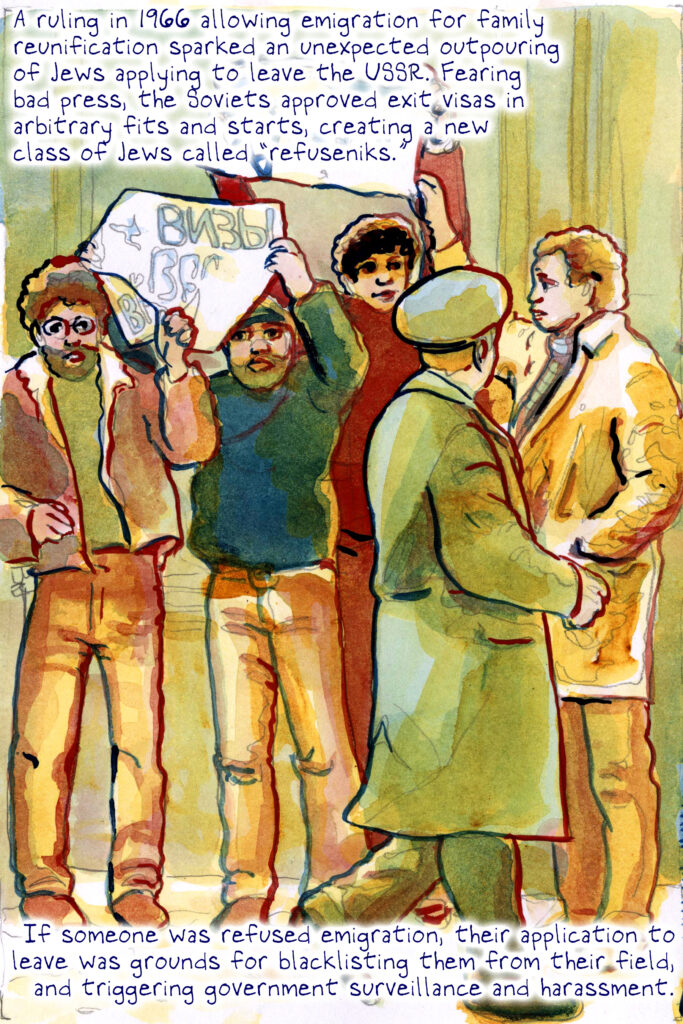
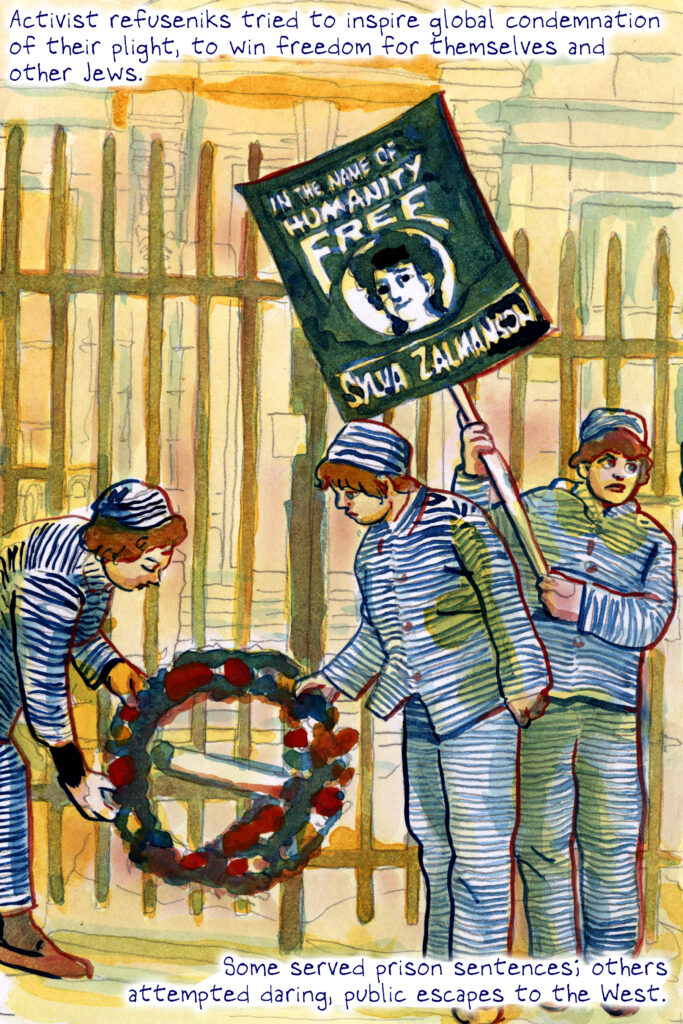
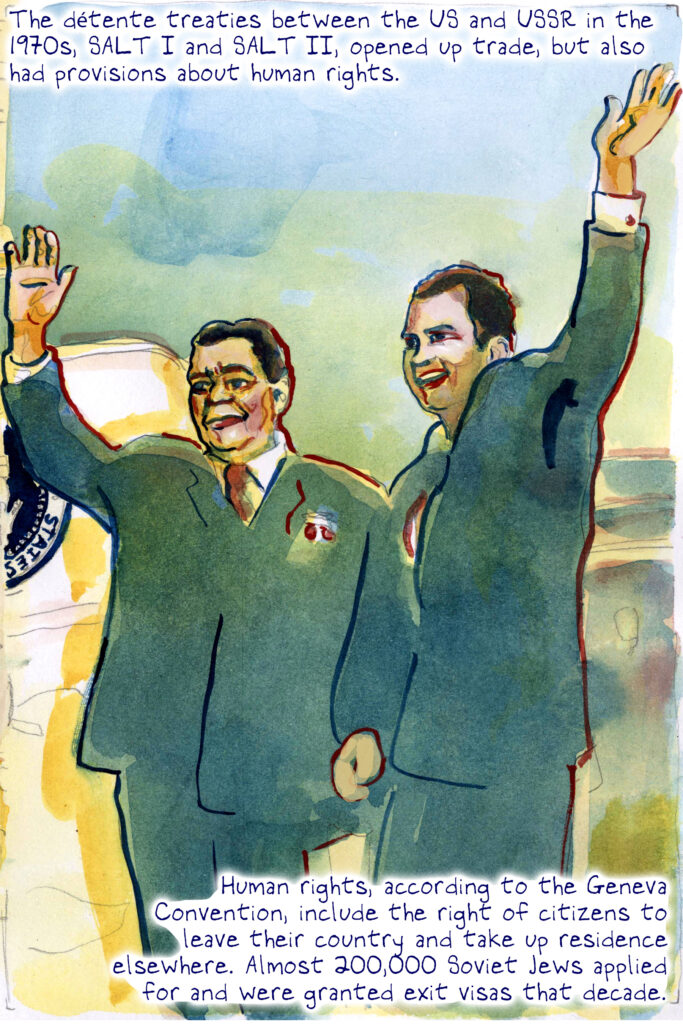
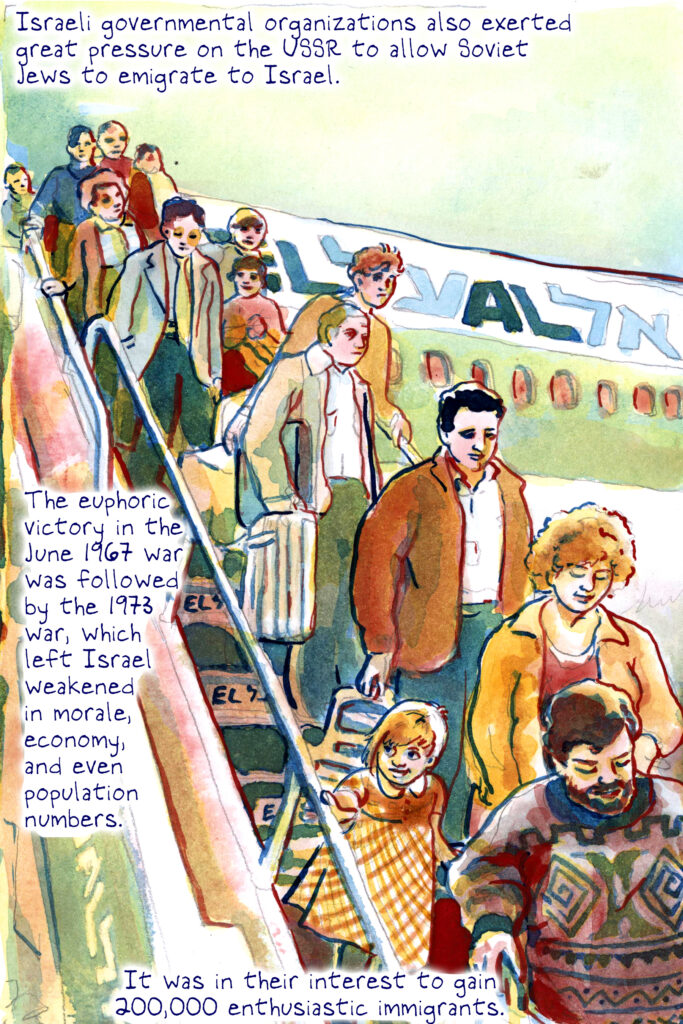
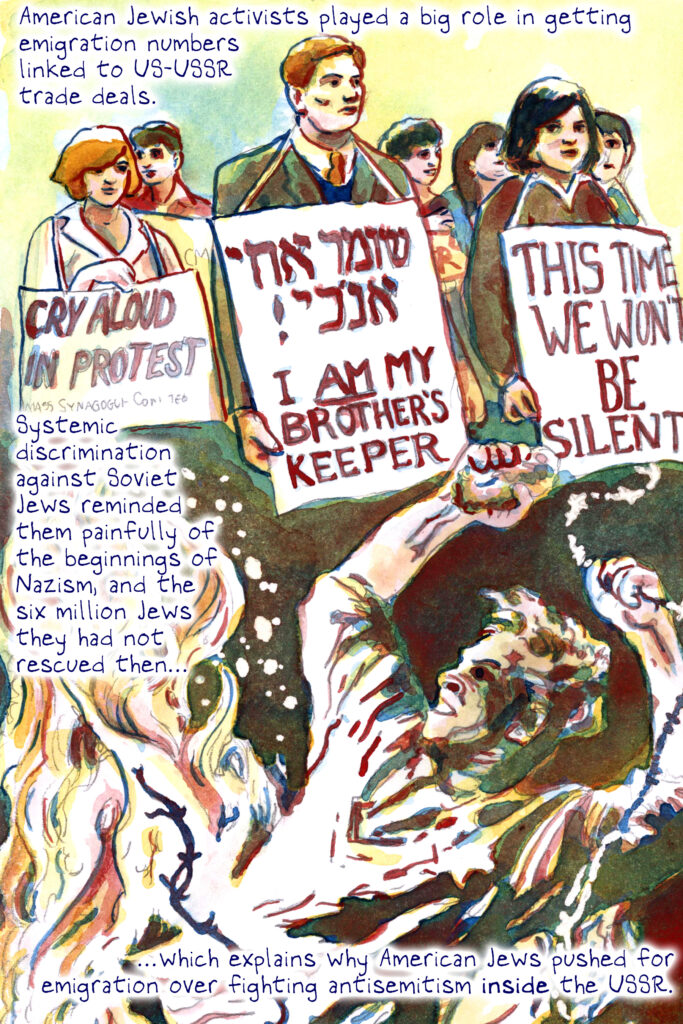
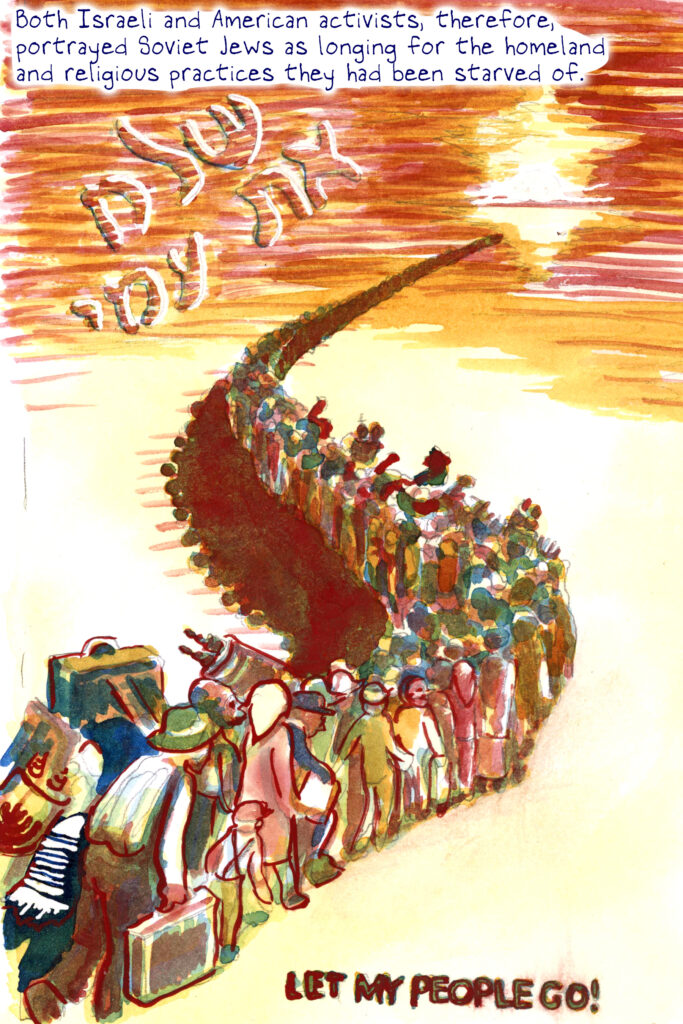
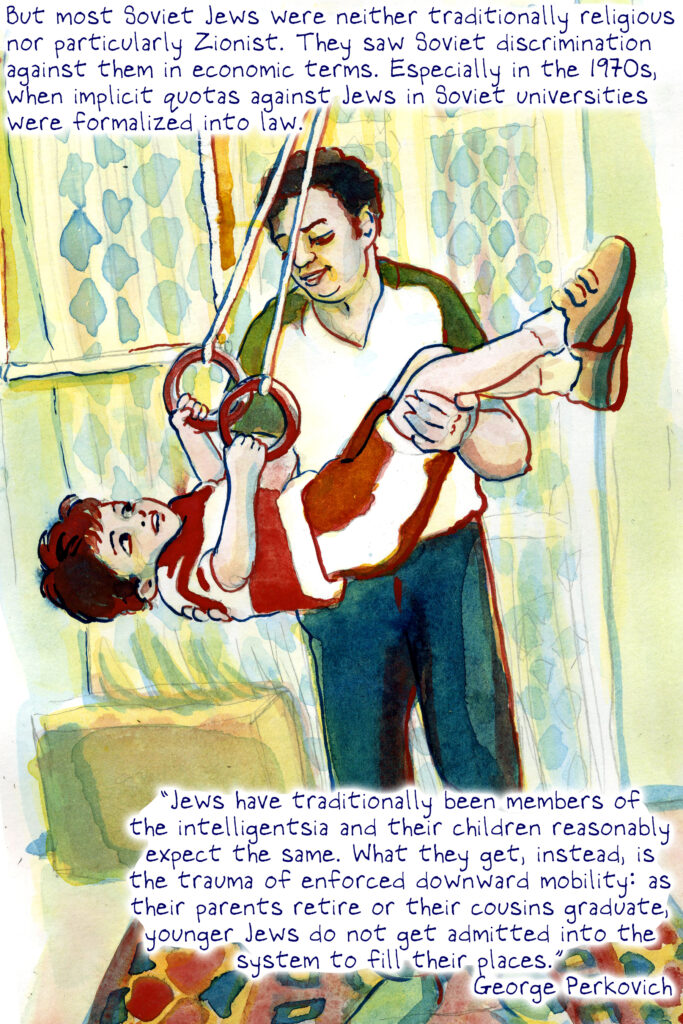
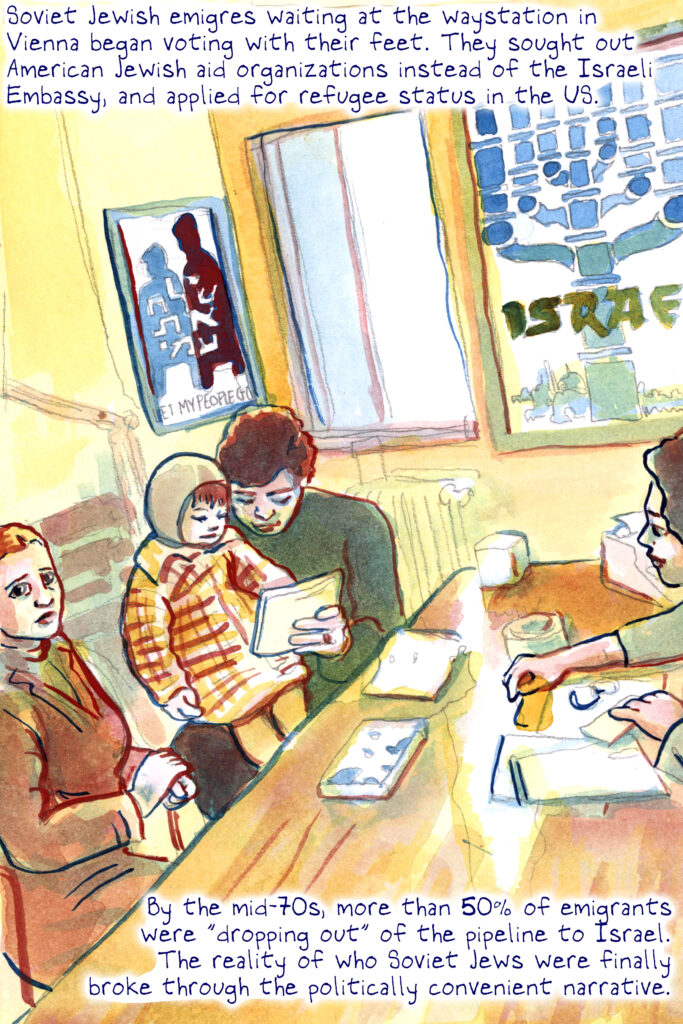
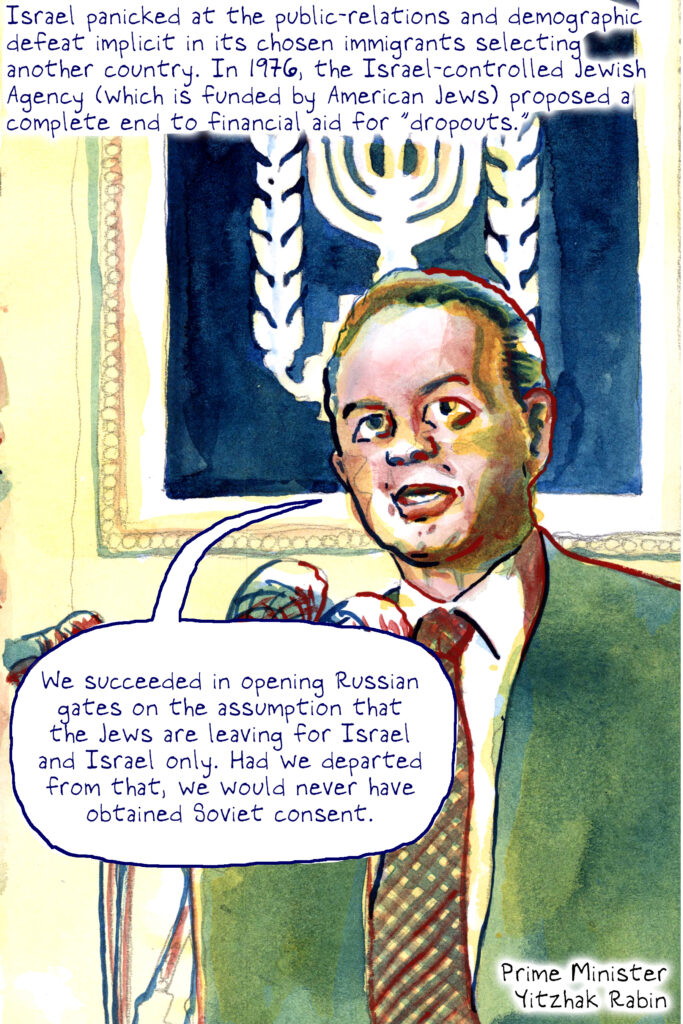
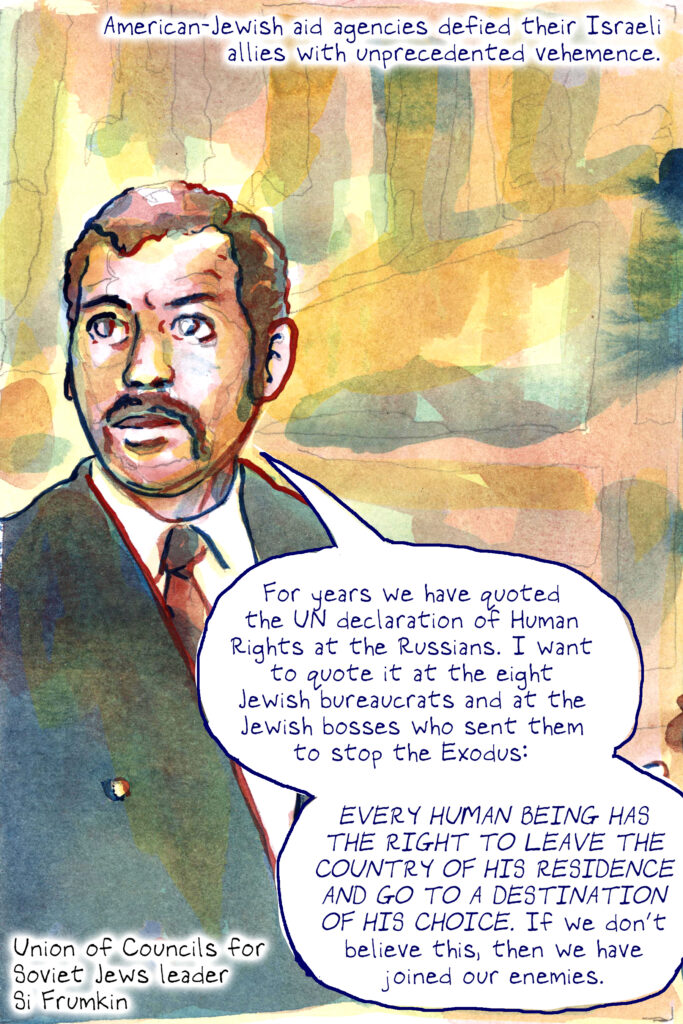
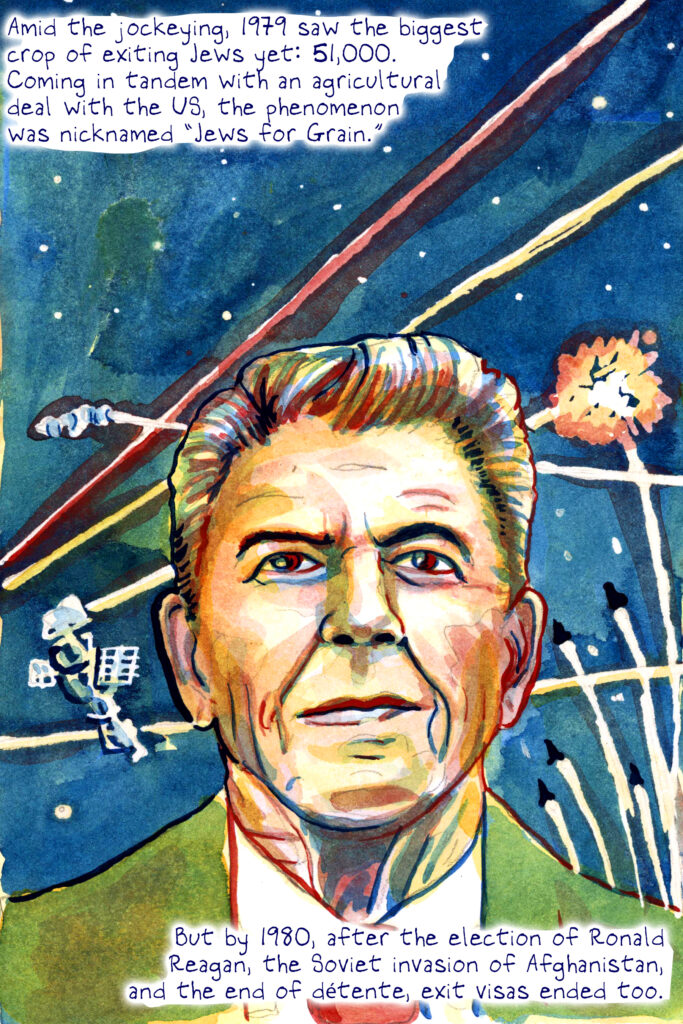
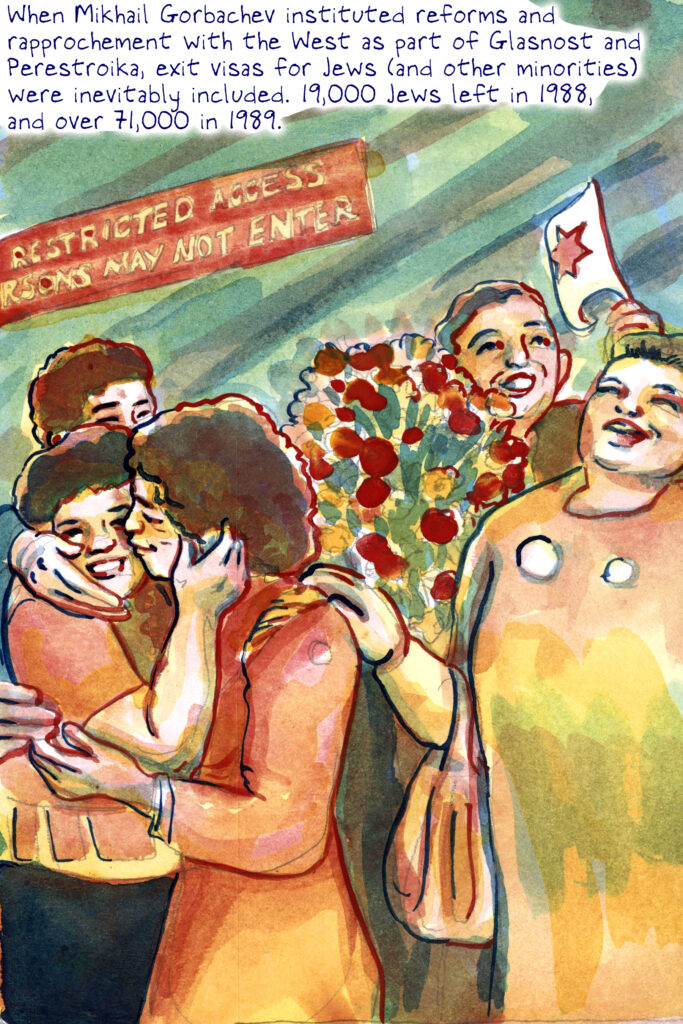
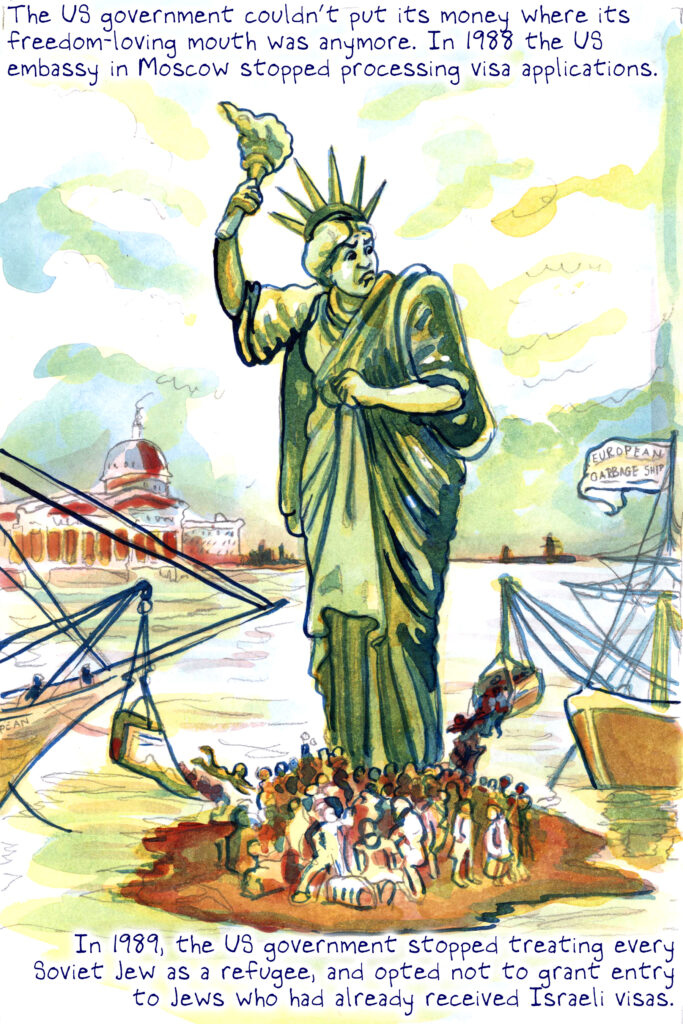
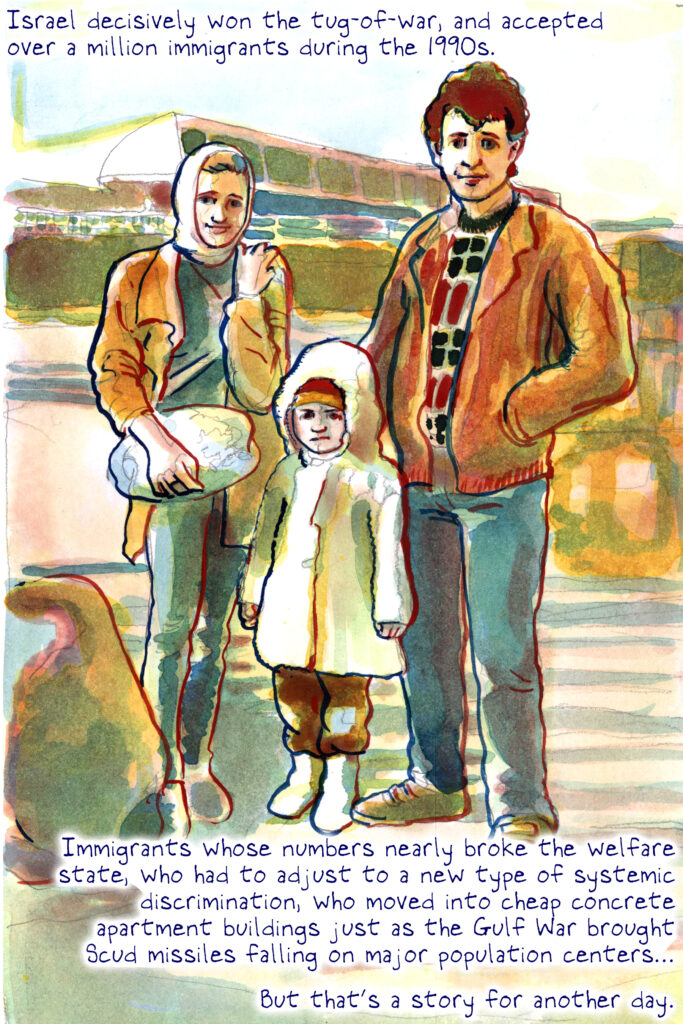 [post_title] => How the Soviet Jews changed the world: A graphic tale of tragedy and triumph
[post_excerpt] => Soviet Jews played a critical role in the history of the USSR and, by extension, the trajectory of the Cold War and the history of the twentieth century.
[post_status] => publish
[comment_status] => closed
[ping_status] => open
[post_password] =>
[post_name] => how-the-soviet-jews-changed-the-world-a-graphic-tale-of-tragedy-and-triumph
[to_ping] =>
[pinged] =>
[post_modified] => 2026-08-06 19:43:18
[post_modified_gmt] => 2026-08-06 19:43:18
[post_content_filtered] =>
[post_parent] => 0
[guid] => https://conversationalist.org/?p=3053
[menu_order] => 186
[post_type] => post
[post_mime_type] =>
[comment_count] => 0
[filter] => raw
)
[post_title] => How the Soviet Jews changed the world: A graphic tale of tragedy and triumph
[post_excerpt] => Soviet Jews played a critical role in the history of the USSR and, by extension, the trajectory of the Cold War and the history of the twentieth century.
[post_status] => publish
[comment_status] => closed
[ping_status] => open
[post_password] =>
[post_name] => how-the-soviet-jews-changed-the-world-a-graphic-tale-of-tragedy-and-triumph
[to_ping] =>
[pinged] =>
[post_modified] => 2026-08-06 19:43:18
[post_modified_gmt] => 2026-08-06 19:43:18
[post_content_filtered] =>
[post_parent] => 0
[guid] => https://conversationalist.org/?p=3053
[menu_order] => 186
[post_type] => post
[post_mime_type] =>
[comment_count] => 0
[filter] => raw
)