



A few books to add to your TBR pile, whether you’re on vacation or just trying to avoid the heat.
Mother Mary Comes to Me by Arundhati Roy
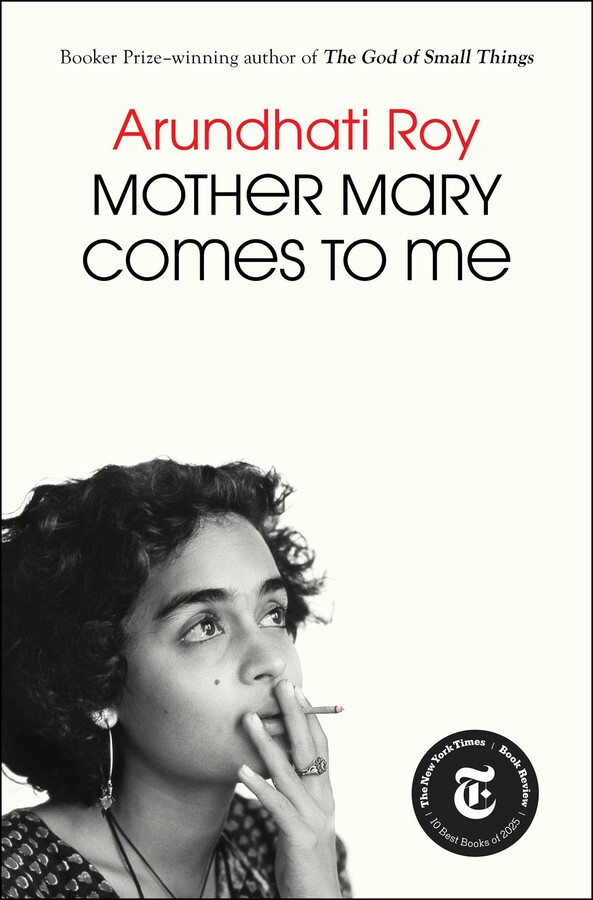
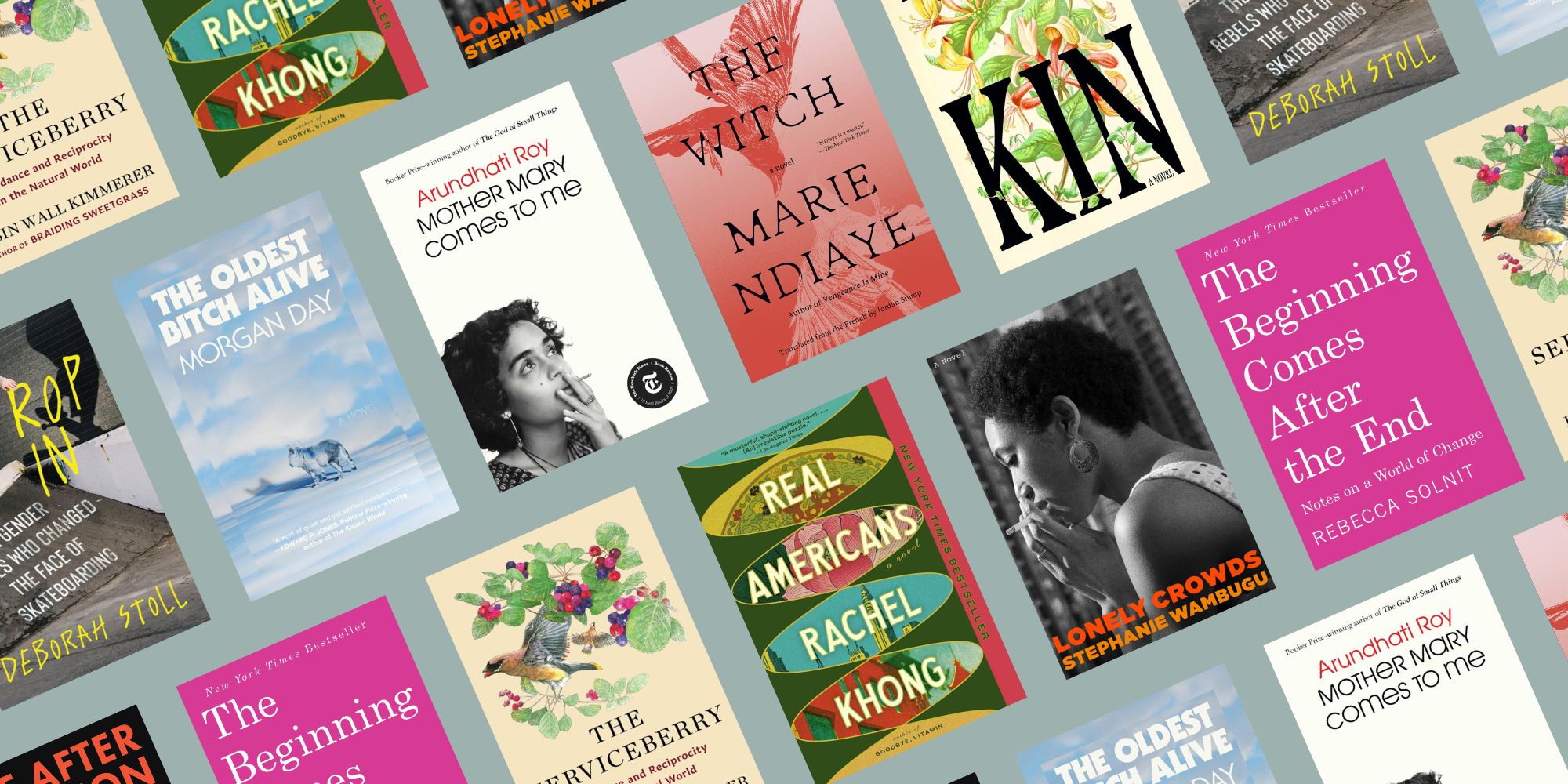
Arundhati Roy’s Mother Mary Comes to Me absolutely floored me. How do you write honestly and with love about a single mother who, as she puts it, was “her shelter and her storm”? A brilliant but often cruel woman, Mary Roy ferociously took on the patriarchal world, building a school in Kerala on a shoestring budget, and inspiring cultish devotion in the students and staff while showing none of that love to her own children.
Mary Roy’s children were molded by her, and also by their fight to break free of her. Having been raised by a similarly tyrannical, brilliant, and selectively generous parent, I found this book riveting. Arundhati Roy doesn’t always spell it out, but you can find echoes of her childhood in her relationships, her writing, and her activism. She’s also a gorgeous writer, and the life she goes on to lead is fascinating. In addition to family stories, she chronicles her student architecture days, brief career as an actor and screenwriter, her conflicts with Hindu nationalists, and her relationships with communist counterinsurgencies.
—Anna Lind-Guzik, Founder
Real Americans by Rachel Khong
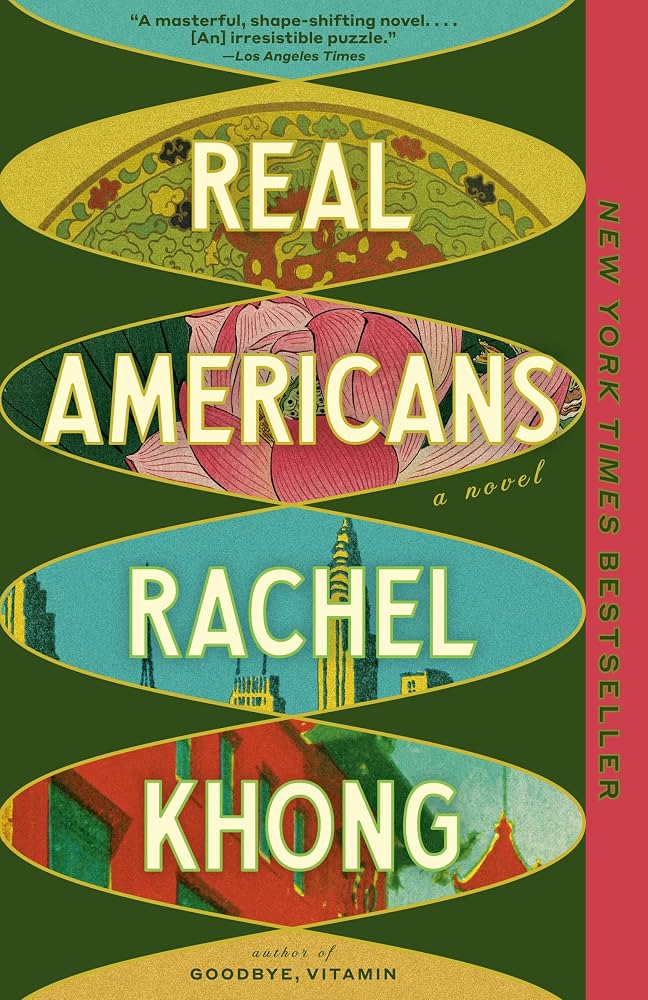
Once I started Real Americans by Rachel Khong, I couldn’t put it down. It’s a multi-generational novel that dives deep into the lives of a Chinese-American family, touching on topics like race, class, sci-fi, and the American Dream. The story is broken down into three main sections, highlighting a different family member from each generation. By the end of every part, I was 100% invested in the character; and then, a big twist would be revealed, leaving me glued to the book. It’s a first-generation American story that I’ve never seen before. Even after finishing it, I keep replaying scenes in my head because it was just that good.
—Kiera Wright-Ruiz, Social Media Manager
The Beginning Comes After the End by Rebecca Solnit
I’m a longtime fan of Rebecca Solnit, so I knew her latest book would immediately go on my library request list. The long line of people ahead of me just proves how hungry people are for her hopeful vision and thoughtful reflections on a more interconnected, antiracist world. I’ve just started the audiobook, read by Solnit herself, which is a soothing balm to listen to amidst the chaotic news headlines flying at us all the time. She zooms out to look at the bigger picture of history since the 1960s, and how social change happens slowly and incrementally over time because of courageous ordinary people, like any of us.
As Solnit writes, “This is a book about things that happened only because people showed up, only because people believed the world could be different, only because people became the forces for change, sometimes by joining together, sometimes by chasing down new frameworks of possibilities and telling the world about them, only because people didn’t give up when it looked like they were losing, only because they married the wildest idealism to the staunchest pragmatism.”
—Erin Zimmer Strenio, Executive Director
Lonely Crowds by Stephanie Wambugu
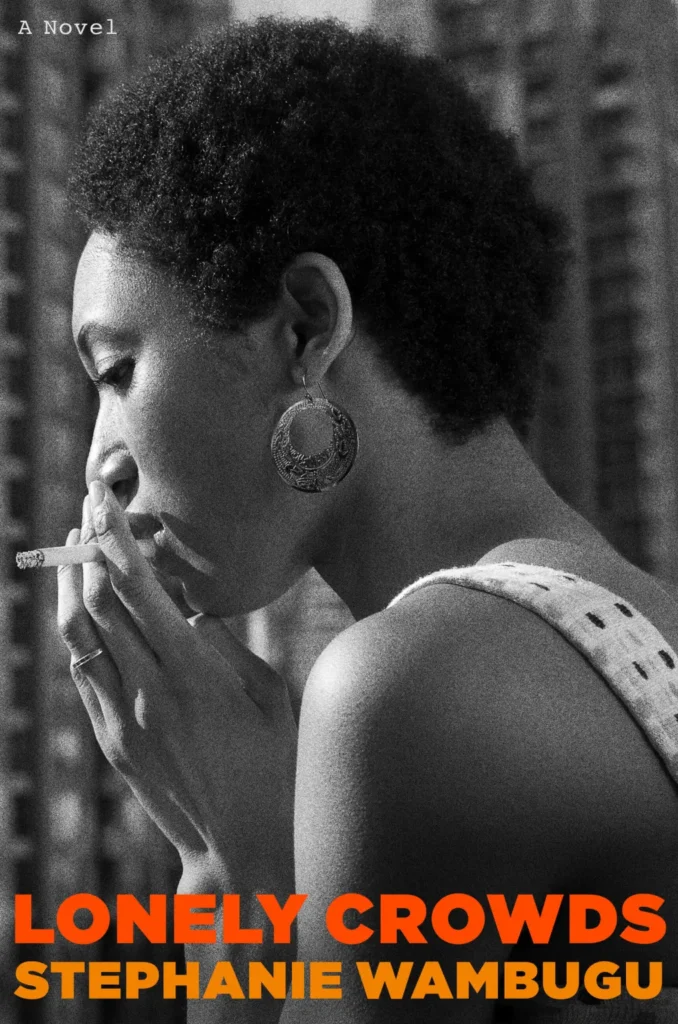
Growing up in Rhode Island, Ruth—the narrator of Stephanie Wambugu’s Lonely Crowds—is a little isolated and a little inhibited; then, she becomes obsessed with the brave, outspoken Maria, the only other Black girl in her Catholic school class. They become best friends, and from there, the novel tells the story of their tumultuous relationship: from growing up in their small hometown to attending a liberal arts college together to navigating the New York art scene as adults. My experience differs greatly from the narrator’s, but I’m also a former student of both New England Catholic schools and a small liberal arts college in upstate New York, and a current voyeur of NYC’s creative class. Spending time with Wambugu’s novel both affirmed and expanded my understanding of those experiences—but I think the book also offers an opportunity for any reader to consider powerful questions about friendship, family, art, class, identity, and belonging.
—Marissa Lorusso, Newsletter Editor
Kin by Tayari Jones
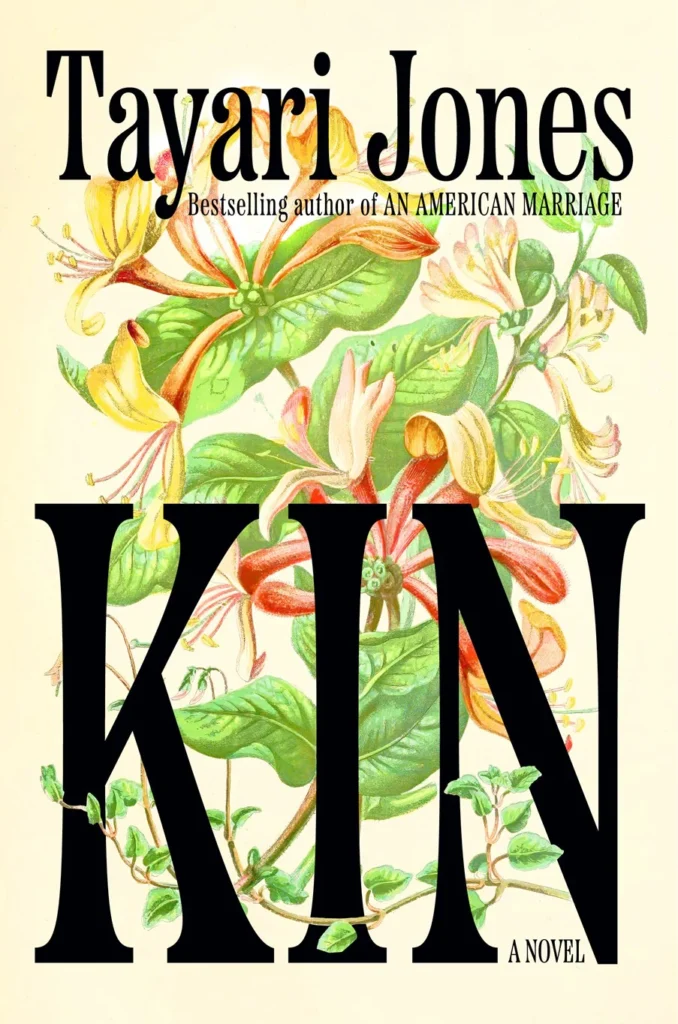
I’m a few chapters away from completing Tayari Jones’ Kin and it’s easily my favorite novel of the year so far. I am a fan of Jones’ writing, and as with all her books, in Kin, I’ve been seamlessly transported into the world she’s created. Kin’s story begins in rural Louisiana, where the relationship between two friends—Vernice (Niecy) and Annie—is the central focus, then follows them as they set out on two seemingly divergent paths. Their friendship stems from both having grown up without their mothers: Niecy’s mother was murdered by her father when she was six months old while Annie’s mother abandoned her just days after she was born, with the former’s aunt and latter’s grandmother raising the girls respectively. As much about friendship, motherhood, and the segregated South during the civil rights period, Kin has enveloped me in grief, courage, and what it means to love and be loved through loss. A true gift of a book.
—Kovie Biakolo, Contributing Editor
The Serviceberry by Robin Wall Kimmerer
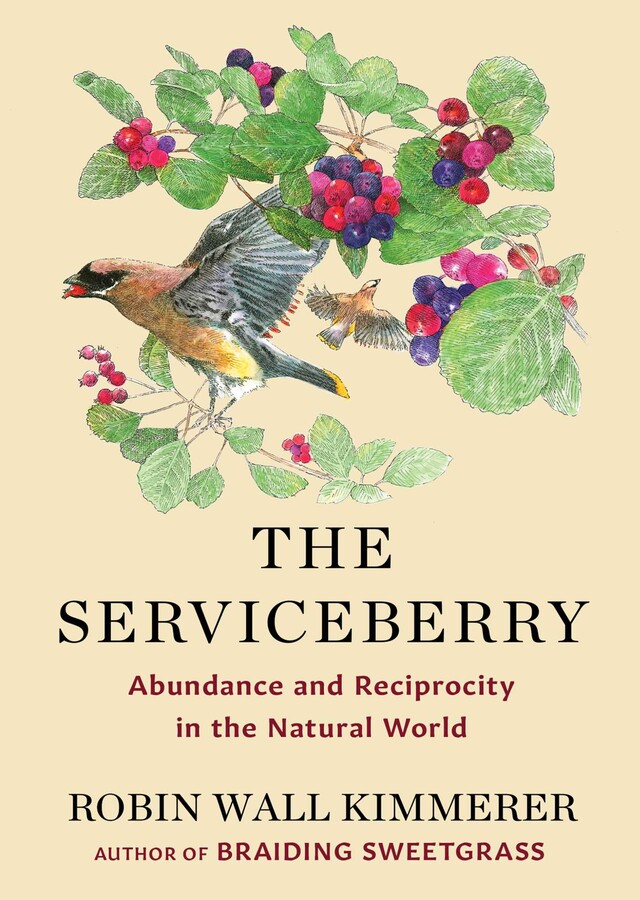
While I lean into my soft girl era in Upstate New York this summer, I’ve found myself with a little more space to listen to the whistling of the trees, admire the fuzz on a bumble bee, and smell the flowers in bloom. My instructor for an herbalism course recommended this book to me, and it’s been a perfect reminder that there is a whole lot more to learn from nature when you give yourself the time to study it.
The Serviceberry is a short but humbling meditation on how nature and Indigenous traditions can show us the power of gratitude and reciprocity, which its author, Robin Wall Kimmerer, identifies as the “gift economy.” In observing the serviceberry tree, she shares how its fruit circulates throughout ecosystems, nourishing and supporting many forms of life. She also shares examples of Indigenous traditions that further remind us of this mutual exchange, and our obligation to respect living systems and be good stewards for future generations.
Kimmerer’s dual perspective as Indigenous woman and botanist informs her poetic and illustrative writing style: While she mentions the challenges to achieving this in our modern, consumer-driven world, her hope remains that the “gift economy” will live on, and create a larger web of gratitude culture.
—Jessica Granato, Project Manager
The Witch by Marie NDiaye
I have a weakness for contemporary fiction about witches—though not the pointy hat, black cat, Salem types—as it can be the perfect vessel for stories about shifting ideas on gender. The Witch by Marie NDiaye leans on some of the common stereotypes but turns them on their head; its main character, a suburban French mother, has “mysterious powers” she’d like to pass on to her daughters, yet she’s also refreshingly insecure about her ambitions. She is a witch like you and me, of this world, and the novel reads as if it could be set anywhere.
—Ruxandra Guidi, Managing Editor
Drop In by Deborah Stoll
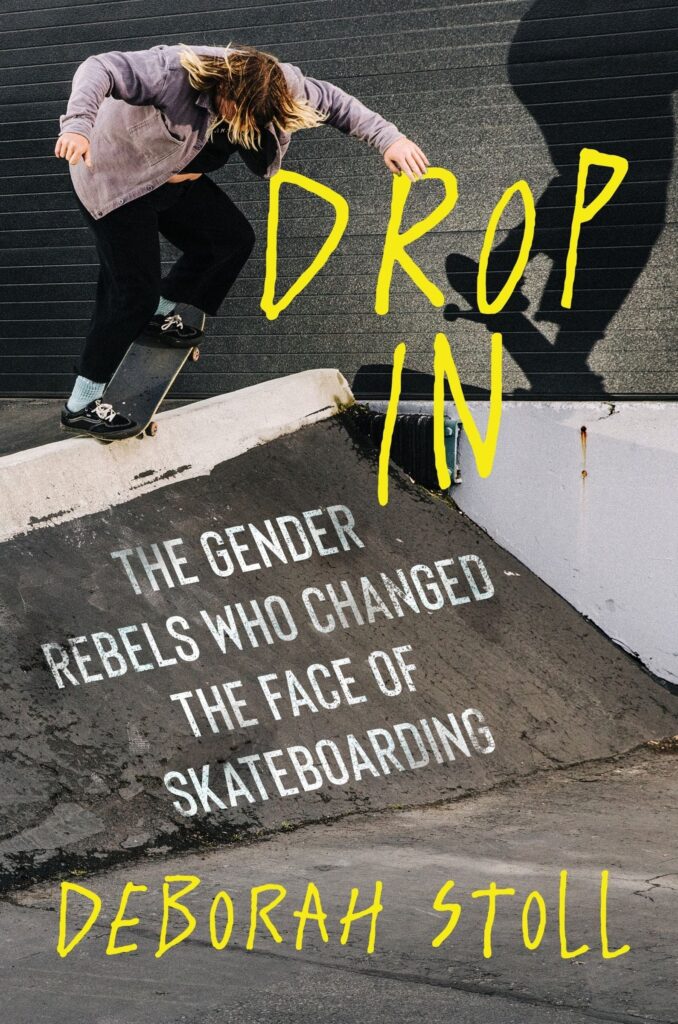
As a long-time fan of professional skateboarding, I found Drop In by Deborah Stoll to be a desperately needed remedy to the culture’s male-dominated narrative. The first of its kind book focuses on the many women and LGBTQIA+ pioneers who embody what it means to be a skater: always getting back up, no matter how hard the fall. Stoll takes the reader through the career highs and lows of athletes ranging from Alana Smith, the first openly nonbinary athlete to compete in the Olympics, to Marbie Miller, an inadvertent trans icon who came out in the late 2010s.
It’s impossible not to feel like a fly on the wall as Stoll reveals these athletes’ stories in such vibrant detail, you can almost hear the pop of an ollie and the wheels of a skateboard slamming into the ground. With a unique blend of narrative storytelling, direct quotes from the skaters, and expert voices to give larger cultural context, any reader will come away from Drop In with a much deeper understanding of a gnarly culture ready to skate forward from its complicated past.
—Allison Baker, Summer Intern
The Oldest Bitch Alive by Morgan Day
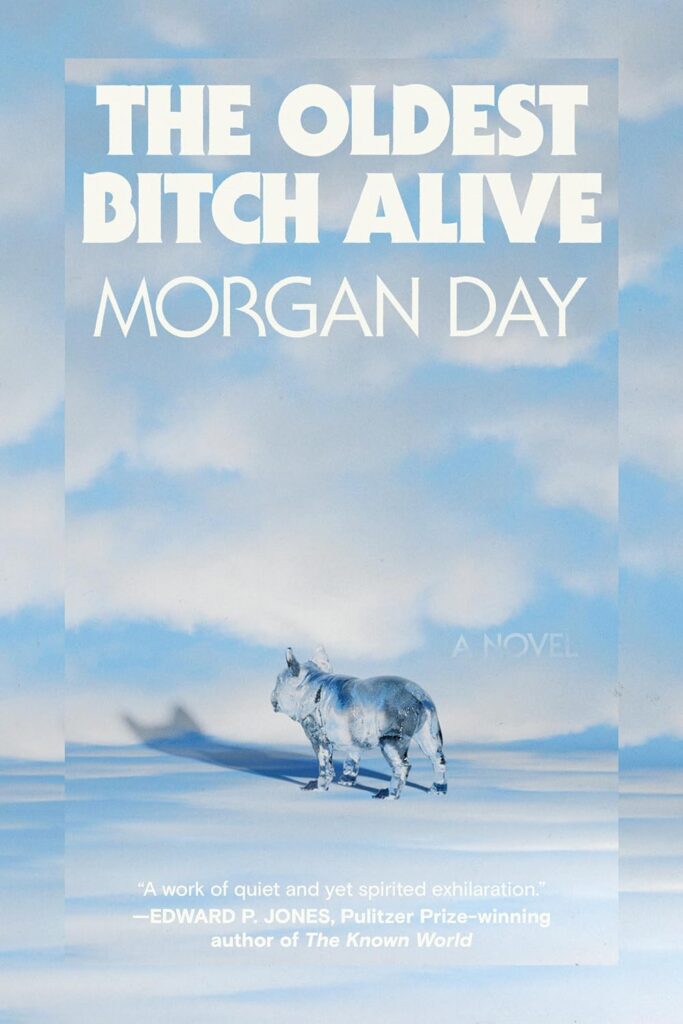
The Oldest Bitch Alive is the most original book I’ve read in recent memory. Living in a literal glass house in upstate New York, a French bulldog named Gelsomina contracts a pair of parasitic worms, and gains newfound consciousness of her mortality and a growing restlessness with her domestication. It’s absurd without lacking depth, and weird in all the right ways; a stunning, philosophical meditation on what we consume, and what consumes us. Partly told from Gelsomina’s perspective, partly from the worms’ perspective, and occasionally through Gelsomina’s human-parents and dog-brother (a younger French bulldog named Zampanó), the book is equal parts tender, funny, and devastating as it plumbs the depths of one dog’s (and two parasites’) ideas of freedom and containment. A life-affirming book that stares into the void, only to find something unexpectedly hopeful on the other side. (There’s also a passage about a strawberry dog toy that absolutely gutted me.)
—Gina Mei, Executive Editor