Arundhati Roy’s Mother Mary Comes to Me absolutely floored me. How do you write honestly and with love about a single mother who, as she puts it, was “her shelter and her storm”? A brilliant but often cruel woman, Mary Roy ferociously took on the patriarchal world, building a school in Kerala on a shoestring budget, and inspiring cultish devotion in the students and staff while showing none of that love to her own children.
Mary Roy's children were molded by her, and also by their fight to break free of her. Having been raised by a similarly tyrannical, brilliant, and selectively generous parent, I found this book riveting. Arundhati Roy doesn’t always spell it out, but you can find echoes of her childhood in her relationships, her writing, and her activism. She's also a gorgeous writer, and the life she goes on to lead is fascinating. In addition to family stories, she chronicles her student architecture days, brief career as an actor and screenwriter, her conflicts with Hindu nationalists, and her relationships with communist counterinsurgencies.
Once I started Real Americans by Rachel Khong, I couldn’t put it down. It’s a multi-generational novel that dives deep into the lives of a Chinese-American family, touching on topics like race, class, sci-fi, and the American Dream. The story is broken down into three main sections, highlighting a different family member from each generation. By the end of every part, I was 100% invested in the character; and then, a big twist would be revealed, leaving me glued to the book. It’s a first-generation American story that I’ve never seen before. Even after finishing it, I keep replaying scenes in my head because it was just that good.
I’m a longtime fan of Rebecca Solnit, so I knew her latest book would immediately go on my library request list. The long line of people ahead of me just proves how hungry people are for her hopeful vision and thoughtful reflections on a more interconnected, antiracist world. I’ve just started the audiobook, read by Solnit herself, which is a soothing balm to listen to amidst the chaotic news headlines flying at us all the time. She zooms out to look at the bigger picture of history since the 1960s, and how social change happens slowly and incrementally over time because of courageous ordinary people, like any of us.
As Solnit writes, “This is a book about things that happened only because people showed up, only because people believed the world could be different, only because people became the forces for change, sometimes by joining together, sometimes by chasing down new frameworks of possibilities and telling the world about them, only because people didn’t give up when it looked like they were losing, only because they married the wildest idealism to the staunchest pragmatism.”
Growing up in Rhode Island, Ruth—the narrator of Stephanie Wambugu’s Lonely Crowds—is a little isolated and a little inhibited; then, she becomes obsessed with the brave, outspoken Maria, the only other Black girl in her Catholic school class. They become best friends, and from there, the novel tells the story of their tumultuous relationship: from growing up in their small hometown to attending a liberal arts college together to navigating the New York art scene as adults. My experience differs greatly from the narrator’s, but I’m also a former student of both New England Catholic schools and a small liberal arts college in upstate New York, and a current voyeur of NYC’s creative class. Spending time with Wambugu’s novel both affirmed and expanded my understanding of those experiences—but I think the book also offers an opportunity for any reader to consider powerful questions about friendship, family, art, class, identity, and belonging.
I’m a few chapters away from completing Tayari Jones’ Kin and it’s easily my favorite novel of the year so far. I am a fan of Jones’ writing, and as with all her books, in Kin, I've been seamlessly transported into the world she's created. Kin’s story begins in rural Louisiana, where the relationship between two friends—Vernice (Niecy) and Annie—is the central focus, then follows them as they set out on two seemingly divergent paths. Their friendship stems from both having grown up without their mothers: Niecy’s mother was murdered by her father when she was six months old while Annie’s mother abandoned her just days after she was born, with the former’s aunt and latter’s grandmother raising the girls respectively. As much about friendship, motherhood, and the segregated South during the civil rights period, Kin has enveloped me in grief, courage, and what it means to love and be loved through loss. A true gift of a book.
While I lean into my soft girl era in Upstate New York this summer, I've found myself with a little more space to listen to the whistling of the trees, admire the fuzz on a bumble bee, and smell the flowers in bloom. My instructor for an herbalism course recommended this book to me, and it's been a perfect reminder that there is a whole lot more to learn from nature when you give yourself the time to study it.
The Serviceberry is a short but humbling meditation on how nature and Indigenous traditions can show us the power of gratitude and reciprocity, which its author, Robin Wall Kimmerer, identifies as the "gift economy." In observing the serviceberry tree, she shares how its fruit circulates throughout ecosystems, nourishing and supporting many forms of life. She also shares examples of Indigenous traditions that further remind us of this mutual exchange, and our obligation to respect living systems and be good stewards for future generations.
Kimmerer’s dual perspective as Indigenous woman and botanist informs her poetic and illustrative writing style: While she mentions the challenges to achieving this in our modern, consumer-driven world, her hope remains that the "gift economy" will live on, and create a larger web of gratitude culture.
I have a weakness for contemporary fiction about witches—though not the pointy hat, black cat, Salem types—as it can be the perfect vessel for stories about shifting ideas on gender. The Witch by Marie NDiaye leans on some of the common stereotypes but turns them on their head; its main character, a suburban French mother, has “mysterious powers” she’d like to pass on to her daughters, yet she’s also refreshingly insecure about her ambitions. She is a witch like you and me, of this world, and the novel reads as if it could be set anywhere.
As a long-time fan of professional skateboarding, I found Drop In by Deborah Stoll to be a desperately needed remedy to the culture’s male-dominated narrative. The first of its kind book focuses on the many women and LGBTQIA+ pioneers who embody what it means to be a skater: always getting back up, no matter how hard the fall. Stoll takes the reader through the career highs and lows of athletes ranging from Alana Smith, the first openly nonbinary athlete to compete in the Olympics, to Marbie Miller, an inadvertent trans icon who came out in the late 2010s.
It’s impossible not to feel like a fly on the wall as Stoll reveals these athletes' stories in such vibrant detail, you can almost hear the pop of an ollie and the wheels of a skateboard slamming into the ground. With a unique blend of narrative storytelling, direct quotes from the skaters, and expert voices to give larger cultural context, any reader will come away from Drop In with a much deeper understanding of a gnarly culture ready to skate forward from its complicated past.
The Oldest Bitch Alive is the most original book I've read in recent memory. Living in a literal glass house in upstate New York, a French bulldog named Gelsomina contracts a pair of parasitic worms, and gains newfound consciousness of her mortality and a growing restlessness with her domestication. It's absurd without lacking depth, and weird in all the right ways; a stunning, philosophical meditation on what we consume, and what consumes us. Partly told from Gelsomina's perspective, partly from the worms' perspective, and occasionally through Gelsomina's human-parents and dog-brother (a younger French bulldog named Zampanó), the book is equal parts tender, funny, and devastating as it plumbs the depths of one dog's (and two parasites') ideas of freedom and containment. A life-affirming book that stares into the void, only to find something unexpectedly hopeful on the other side. (There's also a passage about a strawberry dog toy that absolutely gutted me.)
—Gina Mei, Executive Editor
[post_title] => What We're Reading This Summer
[post_excerpt] => A few books to add to your TBR pile, whether you're on vacation or just trying to avoid the heat.
[post_status] => publish
[comment_status] => closed
[ping_status] => closed
[post_password] =>
[post_name] => summer-reading-2026-team-books-beach-reads-novels-nonfiction-fiction-arundhati-roy-rachel-khong-rebecca-solnit-stephanie-wambagu-tayari-jones-robin-wall-kimmerer-maria-ndiaye-deborah-stoll-morgan-day
[to_ping] =>
[pinged] =>
[post_modified] => 2026-07-13 02:42:46
[post_modified_gmt] => 2026-07-13 02:42:46
[post_content_filtered] =>
[post_parent] => 0
[guid] => https://conversationalist.org/?p=10738
[menu_order] => 0
[post_type] => post
[post_mime_type] =>
[comment_count] => 0
[filter] => raw
)
My favorite book of the year was The Emperor of Gladness by Ocean Vuong, which lived up to its hype. It features Hai, a dropout and addict who is saved from jumping off a bridge by Grazina, an elderly woman with dementia. He becomes her caretaker and roommate, and they develop an odd, moving relationship that reaches across generations and connects their shared immigrant experience. It’s also a story about getting by in a backwater town (East Gladness, Connecticut), and the found family Hai makes working at a Boston Market type chain. I loved Vuong’s poetic sensibilities in his last novel, On Earth We’re Briefly Gorgeous, and his latest felt like the author stretching his wings.
I loved No Fault, writer Haley Mlotek's cultural history of divorce, for the way it combines historical research with literary analysis, and for how Mlotek weaves the story of her own divorce through it all. It's a moving inquiry into big topics (love, marriage, family, partnership, community, autonomy) that feels like an honest conversation with a trusted friend. I came away from this book thinking differently about our cultural scripts for romance and separation, but also about the various couplings and splits that have shaped my life and those of the people I love.
I've long been curious about Brazilian writer Hilda Hilst, whose work was only translated into English for the first time in 2012, nearly a decade after her death. The Obscene Madame D—a slim and profane novella about a 60-year-old woman named Hillé who goes "insane" following the death of her lover—did not disappoint. I read it in one sitting, allowing myself to be carried along the current of Hilst's existential contemplations about grief and God and sex and sanity. I've since learned fellow Brazilian writer Clarice Lispector was a friend and fan, and I can see it. But having read (and loved) both, I think Hilst is more absurd; more corporeal. This book felt like sinking into a fever dream, and achieved the rare feat of both making me laugh out loud and sending me into a philosophical spiral. (Note: A new edition of The Obscene Madame D was released earlier this year by Pushkin Press, but I nabbed myself a secondhand copy from Nightboat, Hilst's original U.S. publisher, which is the edition included here.)
I'm obsessed with Airplane Mode: An Irreverent History of Travel by Shahnaz Habib. For the factoid or wanderlust lover, this book explains the modern history of travel and explores the theme of colonization through a traveler mindset. Most travel books are written by white authors, so I also found it extremely refreshing to see travel from Shahnaz's perspective. This book opened my eyes to topics like passport privilege and even how Thai food's popularity in the U.S. began. If you've ever said, "I love to travel," Airplane Mode is essential reading.
As a mom of two young kids, I read a lot of children's books, and one that I keep coming back to is Little Witch Hazel by Phoebe Wahl. The book is divided into four seasons, and during each season—in the blossom-filled spring, in the carefree summer, during spooky season, and in the snow—the kind witch makes house calls throughout the forest to help her animal neighbors and deepen her community. Hazel is a midwife, a mystery solver, and an always kind-hearted friend. Each time we read it together, my daughter and I discover new details in the illustrations that we hadn't noticed before. It's a delightful escape to another world and reminds me how important it is to show up for our neighbors throughout the seasons.
When I picked up Oyinkan Braithwaite's Cursed Daughters at the Lagos airport in November, my flight had been delayed. It was a happy coincidence to be able to start reading it when I had some unexpected free time, as I'd been meaning to get it since its September release. The problem came days after, when between some busy reporting days and visiting family I don't get to see very often, I found it difficult to put the book down.
Braithwaite's Cursed Daughters is an intergenerational story about Nigerian (Yoruba) women in a family, the Faloduns, who are quite literally cursed in their love lives. The story oscillates between different time periods and marks how culture and tradition can evolve—or not—in different eras we think of as contemporary. Aside from the witty writing and plot, what I loved most about it was its mix of originality while also exploring a familiar subject that I think anyone from anywhere can relate to. Without giving too much away, I think what impresses me most about Braithwaite's writing is that she manages to avoid obvious clichés about Nigerian sensibilities and how family obligations work, and instead offers the nuance so many of us observe and live in.
Before I'd finished, while still in Nigeria, one of my aunts managed to convince me to leave the book behind for her to read. Reluctantly, I did, then almost immediately ordered another copy so I could pick up from where I left off as soon as I got home.
Months after finishing this book, I'm still baffled at how Kevin managed to write something so eerily prophetic. Mỹ Documents takes place in a not-really-that-dystopian timeline where, following a slate of domestic terrorist attacks, the U.S. begins rounding up Vietnamese Americans and sending them to internment camps. The book centers on four "cousins" from the same family, and their vastly different experiences of survival over the years the order is in effect. Mỹ Documents doesn't shy away from the obvious parallels to the internment of Japanese Americans during World War II (and, in fact, specifically admonishes one of the characters for not knowing their Asian American history), but instead shows how easily history can and does repeat itself. Somehow, Kevin handles this with both the weight it deserves, and a good sense of humor, the moments of levity so necessary, and so human, they make the rest of the book feel like a punch to the face.
This book came to me as a recommendation from a friend, who highly encouraged me to read it because of our shared love of nature, adventure, and musings on the great unknown. MacFarlane is an explorer who writes in a captivating, vivid way about his experiences and interactions with some of the most interesting environments and people on the planet. He hones in on the idea of "deep time" and how there is a relativity to experience depending on where and how we live. Underland is filled with wonderful explorations of caverns, catacombs, glaciers, mountains, and more...all with insightful history of both the places and people who dare to explore them to their fullest (or "deepest").
—Jessica Granato, Executive Assistant
Lili is Crying by Hélène Bessette, translated by Kate Briggs
A cult classic when it came out in France in the 1950s, Lili is Crying was translated into English for the first time this year, and is the most "holy shit"-worthy cautionary tale against codependency I've ever read. With sparse language, and stylistic choices that blur the lines between narration and inner monologue, Lili is Crying is a book about a mother and daughter's increasingly unhinged relationship, told over the course of the daughter's lifetime. Charlotte (the mother) emerges as an all-time literary villain, insidious and manipulative and cruel. Lili (the daughter), meanwhile, more than lives up to the title: She spends most of the book in tears. Despite multiple attempts at detangling herself from her mother, she just can't seem to leave her behind. While definitively a work of literary fiction, after finishing it, I texted a friend who works in film and TV that it would make a hell of a horror movie. This is my official plea for someone to please make it.
—G.M.
[post_title] => The Best Books We Read in 2025
[post_excerpt] => From new releases to new translations, everything worth adding to your TBR pile next year.
[post_status] => publish
[comment_status] => closed
[ping_status] => closed
[post_password] =>
[post_name] => best-books-2025-reads-tbr-ocean-vuong-oyinkan-braithwaite-haley-mlotek-hilda-hilst-shahnaz-habib-phoebe-wahl-robert-macfarlane-kevin-nguyen-helene-bessette
[to_ping] =>
[pinged] =>
[post_modified] => 2026-01-15 21:43:21
[post_modified_gmt] => 2026-01-15 21:43:21
[post_content_filtered] =>
[post_parent] => 0
[guid] => https://conversationalist.org/?p=9866
[menu_order] => 0
[post_type] => post
[post_mime_type] =>
[comment_count] => 0
[filter] => raw
)
Queer relationship visibility isn’t good enough if all it does is replicate heteronormative approaches.
Soapbox is a series where people make the case for the sometimes surprising things they feel strongly about.
Like any faithful reality TV fangirly, I dutifully invest many hours of my brief and precious human life into my little shows. I dwell unabashedly in the cult of reality standom: My housecleaning rituals include day-long marathons of shows like Vanderpump Rules or 90 Day Fiancé, where I empty my closets and scrub my floorboards to the tune of a full season, filling my home with the sounds of strangers’ arguments, diary cam thoughts, and curated confessionals.
For me, this isn’t just entertainment. I am endlessly fascinated by human relationship dynamics, and the belief systems that shape them. Much of reality television serves as my personal laboratory for examining these phenomena in action—and I absorb every minute with rapture. This is especially true within my favorite subgenre of all, reality romance, which I find particularly compelling because of the ways it reveals the ubiquity of heteronormativity in our collective consciousness. It’s also why I think we are long overdue for more queer reality romance—including shows that actually explore queer relationship frameworks, rather than just LGBTQ+ casting.
From classics like The Bachelor and Rock of Love to contemporary hits like Love is Blind, shows where total strangers form attachments to one another and make legally binding commitments in intense, pressurized, and unnatural situations are canonical. They’re also historically very heterosexual, something that hasn’t changed even as casting has diversified.
Accurate, dynamic queer representation across all media is essential, and desperately overdue. Thanks to LGBTQ+ reality shows like Tampa Baes, The Real L Word, and the I Kissed a Boy franchise, we’ve finally been able to see a variety of sexualities and genders normalized in a dating context. And thank goodness! But as entertaining as these programs might be, queer relationship visibility isn’t good enough if all it does is replicate heteronormative approaches—and when it comes to relationships where personal autonomy and romantic intimacy are successfully balanced, these shows are falling short.
With its second season out last summer, breakout hit The Ultimatum: Queer Love might be the most popular of the LGBTQ+ reality romance genre, both for queer and straight viewers alike. It’s also a strong (and, for better or worse, incredibly entertaining) case study in the pitfalls of dropping queer contestants into heterosexual dating frameworks, especially on a global stage. The plot features five couples on the lesbian spectrum who have reached an impasse in their relationships—one partner wants to get married, the other does not, and the former has issued the latter an ultimatum: Marry me, or we’re breaking up.
The show aims to “help” castmates gain clarity about their present dilemma by presenting them with an opportunity to explore partnership with someone new. But not just anyone new: Castmates date each other.
In front of the partners they arrived with.
Participants have one week to select a new partner, and then immediately move in with that person for a three week “trial marriage,” which some of the new couples consummate. They then each move back in with their original partner for another three week “trial marriage” before decision day.
The end goal is either for castmates to leave the show engaged—whether to their original partner, or to someone they just met under fast, furious, and fantastical circumstances—or, if they’re still not ready to commit, to walk away single. And of course, things go off without a hitch, everyone is super mature about everything, and no one ends up brokenhearted or publicly humiliated.
Now, maybe this plotline conjures images of the chaotic, toxic, and mysteriously elusive “U-Haul lesbian”. Yet that instinct would be misguided: In reality, The Ultimatum: Queer Love is a spin-off of The Ultimatum: Marry or Move On, a pre-existing show with the exact same premise, but a heterosexual cast.
When the main focus of a show is for participants to “find love,” however, especially when the premise pressures them into making quick decisions about marriage or monogamy, the ghastly, unflattering light of patriarchy spares no one—something the landscape of LGBTQ+ reality romance makes clear. This is also one reason why copy-pasting heteronormative relationship frameworks onto a queer cast is particularly dangerous. On the whole, as a society, we are not trained to recognize misogyny when it doesn’t come from cis men, something that can quickly translate into queerphobia: When queer folks embody patriarchal values, people around them may be tempted to blame queerness, rather than patriarchy, for any ensuing problematic behavior. Queer people struggle enough with this inside our own communities already; something that compounds when media about us continuously reiterates stereotypes about gender, power, and control. This is particularly visible in reality television, from the lesbian sex scenes that border on soft porn, to the queer fuckbros whose predatory behavior towards femmes goes largely unconfronted, to cis women whose emotional abuse of their femme, masc, and genderqueer partners does not ring alarm bells the way it would if a cis man were behaving the same way.
The entire Ultimatum franchise is part of a robust and patriarchal legacy within the genre, where marriage is treated as an achievement, especially for women and femmes, and prioritized over everything, even at the expense of healthy bonds and connections. But to simply recycle the plotlines of heteronormative reality shows and transpose them onto a queer cast is not only creatively lazy; it exposes the errors of these shows’ premises at their core.
“[R]eality television…has created a falsified account of how certain people are meant to behave, communicate and love, and the majority of the victims to these production tactics are women,” wrote Lindsey Spencer in a 2022 article for the Michigan Daily.
Where patriarchal marriage is the prize, women and LGBTQ+ folks will always get the short end of the stick, even when they “win.” I’m not knocking marriage as an institution—big fan, actually—but patriarchal marriage? One where gender is, whether consciously or unconsciously, viewed as binary, and where partners and/or traits perceived as “feminine” are subjugated to partners viewed as “masculine”? Where the praxis of the relationship itself eliminates the possibility of true intimacy? Where my partner and I are beholden to monogamy, rather than deciding whether we want to choose it anew, as the seasons of our lives unfold?
Ew, no.
This is also precisely why I believe we’d all benefit from some more queering of reality romance. What if, instead of watching people wrestle their partners into making high-stakes commitments, audiences were offered a window into a cast of queers exploring alternative frameworks and modalities for love and connection? Reality fans would still get to absorb all the juicy human drama we hold so dear, but we’d also get to witness people grow and change in ways for which current plotlines don’t allow.
In the current season of The Ultimatum: Queer Love, for example, aninteresting situation cropped up during the initial re-shuffling of couples that might have played out very differently outside of the show’s rigid framework. A mutual attraction developed between one participant, Pilar, and both halves of one original couple, Kyle and Bridget. When, independently of one another, the pair learned that Pilar was interested in them both, they each encouraged her to explore the other, vouching for each other’s radness.
The show’s most visibly genderqueer couple so far, Kyle and Bridget already stood out from the pack. But they were also, in my opinion, the most mutually respectful couple the show has seen—something made clear throughout the season. Eventually, Pilar and Kyle selected one another for the trial marriage, and Bridget ended up with someone else. After Pilar and Kyle shared a kiss during their time together, Kyle quickly disclosed it to Bridget once they were reunited for their own “trial marriage.” While Bridget was visibly miffed, she and Kyle continued to have productive, open, and tender communication as they worked through a difficult conversation.
It was an intriguing plot line, for sure, and played out as healthily as it could have within the scope of the show. But how much more interesting would it have been to watch Pilar, Kyle, and Bridget explore what it might be like to date as a trio? Or to watch them even have that discussion? I wonder how they may have all impacted each other’s lives differently, and whether stronger friendships or romances could have blossomed if they hadn’t been confined to the show’s rules.
Something as simple as that could have changed not only the trajectory of the contestants’ lives but, arguably, perhaps the trajectory of a viewer’s life, too. Witnessing couples undertake that type of exploration, safely and from a place of mutual trust, could be the very representation that some viewers need, queer or straight. It could also be a gateway for them to learn about their own relationship preferences, or even expose them to the fact that alternatives are possible.
Beyond that, this more expansive approach would bring us closer to true representation, not just its bare minimum. The reality romance industry profits greatly from our identities, and queer viewers deserve something beyond an “LGBTQ+” label on the dropdown menu of our favorite streaming sites. After decades of witnessing countless reality stars run the hamster wheel of heteropatriarchy, I, personally, am ready for something a bit more nuanced—and, frankly, a lot more queer.
[post_title] => Why Isn't LGBTQ+ Reality TV More... Queer?
[post_excerpt] => Queer relationship visibility isn’t good enough if all it does is replicate heteronormative approaches.
[post_status] => publish
[comment_status] => closed
[ping_status] => closed
[post_password] =>
[post_name] => lgbtq-reality-television-tv-dating-shows-the-ultimatum-queer-love-representation
[to_ping] =>
[pinged] =>
[post_modified] => 2025-11-04 14:12:40
[post_modified_gmt] => 2025-11-04 14:12:40
[post_content_filtered] =>
[post_parent] => 0
[guid] => https://conversationalist.org/?p=9722
[menu_order] => 0
[post_type] => post
[post_mime_type] =>
[comment_count] => 0
[filter] => raw
)
Hosted by founder Anna Lind-Guzik, The Conversationalist Podcast features candid conversations with folks on the frontlines of the issues we care about, along with some of our favorite articles read by our writers themselves. Covering reproductive health, climate justice, the fight against kleptocracy, and more, this is feminist storytelling from a global perspective, highlighting solutions rooted in empathy, justice, equity, and care.
The Conversationalist is truly independent, nonprofit media, with no overlords and no corporate agenda. We prioritize public good over profit, and aim to spark conversations that inform and empower people to foster hope, kindness, and impact in their communities.
Special thanks to our friends at Cosmic Standard for producing our podcast, our audio engineer Dan Thorn for making it sound great, and the amazingly talented María Medem for our beautiful cover art.
For our season finale, our founder and podcast host Anna Lind-Guzik reads "The Strange Hopefulness of Growing a Human While the World Burns", an essay for our Hope Week series reflecting on her experience as a first-time expectant mother, and the surprising surge of hopefulness she experienced while pregnant with her daughter.
Conversationalist Contributing Editor Kovie Biakolo sits down with food writers Alicia Kennedy (On Eating: The Making and Unmaking of My Appetites) and Bettina Makalintal (Senior Reporter at Eater.com) for a conversation on the ways we express care through food.
Conversationalist Executive Editor Gina Mei reads "Who Throws a Shoe, Honestly?", an op-ed from our Soapbox column on why throwing shoes as a form of protest is due to make a comeback.
Conversationalist Contributing Editor Kovie Biakolo speaks with educator and writer Lisa Sibbett (The Auntie Bulletin on Substack) and activist, speaker, and author Prisca Dorcas Mojica Rodríguez (Tías and Primas: On Knowing and Loving the Women Who Raise Us) about all things aunties, including who they are, how they show up, and why they're so important to our lives.
Writer Ana María Betancourt Ovalle reads her essay "Emergency Contact", exploring why friendships between immigrants often develop differently than friendships at home.
Author, speaker, activist, and founder of RAFT (Resilience for Advocates through Foundational Training) Indrani Goradia joins Anna Lind-Guzik for a conversation about healing from generational trauma and breaking the cycle of abuse. You can learn more about how Indrani and RAFT are fostering human-centered, anti-violent workspaces within thegender-based violence advocacy ecosystem at raftcares.org.
Journalist and longtime Conversationalist contributor Katie Dancey-Downs reads "Meet the Anti-Fracking Nanas”, her longform reported piece on why older women around the world are dedicating their golden years to leaving a better world behind.
Dr. Sophia Yen (co-founder of Pandia Health) returns to the podcast for an informative conversation about all things perimenopause and menopause, including the symptoms no one talks about, the frustrating lack of menopause education in medical schools, and everything else you need to know to advocate for yourself and your care. (April 7, 2026)
Journalist Sara Cincurova reads her article "Motherhood on the Frontlines”, sharing stories of the single mothers raising Ukraine's most vulnerable children amidst the ongoing war with Russia. (March 31, 2026)
We're kicking off a new season of The Conversationalist Podcast! In this episode, founder Anna Lind-Guzik sits down with Judith Dembetembe of Zimbabwe's The Girls' Legacy and Chandy Eng of Gender and Development for Cambodia for a hopeful conversation about how global nonprofits are combatting gender inequality around the world. (March 24, 2026)
Our host and founder Anna Lind-Guzik reads her essay "Why Do So Many Men Destroy What They Can't Control?”, mapping the direct connection between domestic and authoritarian violence, and why we will never be able to have equality so long as violence at home is ignored. (December 16, 2025)
Anna sits down with Dr. Sophia Yen (co-founder of Pandia Health), Carey Jones (writer, editor, and fundraiser), and Nikki Muller (writer and multi-disciplinary performer) for a panel discussion on reproductive healthcare, covering everything from contraception to abortion rights to promising research on morning sickness. (December 9, 2025)
Writer, performer, and storyteller Nikki Muller discusses the importance of destigmatizing miscarriage, and reads her Conversationalist essay, "We Need to Talk About Our Miscarriages”. (November 25, 2025)
Palestinian multimedia journalist Dalia Hatuqa reads "The 'Monsters' Behind the Wall”, an essay by writer Lailah Radhiya reflecting on her experience growing up in the West Bank.
Once we lose a free press, we lose everything it protects.
Last summer, I stood in front of a typewriter that led to the death of two journalists. I was visiting the German Occupation Museum on the small Channel Island of Guernsey, a British crown dependency, and was awe-struck by a display on a group of dissident reporters from the 1940s.
At the time, all news entering the occupied Channel Islands was filtered by the Nazis, and reports from the BBC and elsewhere were forbidden. But a small group of journalists disobeyed Nazi orders, secretly listening to wireless broadcasts, and typing out uncensored news for distribution. One of them used the typewriter I was looking at in the museum.
In response, the Nazis held a tribunal for five of the men involved. While I hear stories about shrinking media freedom and threats to journalists daily—I’m the deputy editor at a freedom of expression magazine, Index on Censorship—as a Brit, it gave me chills to know this level of censorship had once played out on British soil. Without a civil defense, the men were given prison sentences in Germany totalling over eight years. Charles Machon, sentenced to two years and four months, and Joseph Gillingham, sentenced to 10 months, never made it home. Both died in a German prison.
Today, global press freedom is more restricted than it has been in recent memory. In many places across the world, information is controlled by authoritarian regimes. Criticism of these governments, real or perceived, can land people in jail, or worse, and journalists often risk their lives to report on it. The 2013 Press Freedom Index and its accompanying interactive world map assembled by Reporters Without Borders (RSF), shows a handful of countries shaded green (good) and yellow (satisfactory). Pull the slider across to 2025, and the map dissolves into an alarming dark red (very serious) and shades of mid to dark orange, with a few countries in northern Europe clinging onto that green space for dear life. There’s not a lot of yellow either, indicating that concern over press freedom is not alarmist: Things have, in fact, gotten worse.
In Eastern Europe, the Russian- and English-language news outlet Meduza, founded in 2014, was headquartered in Latvia by its Russian-born founder, Galina Timchenko, for the safety of its staff. Russia is hostile toward independent media, and Meduza and others like it are labeled as “foreign agents” or “undesirable organizations,” resulting in increased surveillance. People who work in or with an “undesirable outlet” can face prosecution, fines, and even prison time. Since Russia’s full-scale invasion of Ukraine in 2022, its media landscape has been further eroded, with most news sites owned by the state and their allies. According to RSF, there are currently 50 jailed journalists or media workers in the country.
In 2023, I spoke to student journalists from the online Russian outlet Doxa, who fled to Germany and other European countries after four members of their team were sentenced to two years of correctional labor in 2022 for a YouTube video where they defended freedom of assembly for young people. Months later, the publication’s editor and co-founder Armen Aramyan was added to the country’s “terrorist and extremist” list. In one high-profile case, for speaking out against the war in Ukraine, British-Russian journalist Vladimir Kara-Murza was denied access to lawyers while languishing in jail between April 2022 and August 2024. Condemned to a 25-year sentence for his dissent, he was freed in the biggest prisoner swap between Russia and the US since the Cold War. But even exiled Russian journalists like Kara-Murza are not safe, and face possible assassination attempts by the state. Elena Kostyuchenko is one of three female Russian journalists in exile who, in a similar period of time, suffered symptoms associated with poisoning.
Even countries, regions, and cities that have a history of press freedom have backslid in recent years. Once home to a thriving media landscape, Hong Kong has fallen hard since the crackdown on its anti-government protests in 2019-2020. In 2020, the headquarters of one of its last publications to criticize the authorities—independent media outlet Apple Daily—were raided by police. Shortly after the introduction of the National Security Law was imposed by Beijing that same year, Apple Daily’s publisher Jimmy Lai, a pro-democracy activist, was arrested and placed in solitary confinement. The company has since closed, and Lai remains imprisoned.
According to RSF, China is the third worst country in the world for media freedom, after Eritrea and North Korea. The government has long seen the media as a tool for propaganda, sending out daily notices detailing censored topics. Journalists are kept under a watchful eye, including foreign journalists, who are followed by drones. While this censorship masks much of what is happening in China, prominent cases give some insight into the more honest reality. Over 100 journalists are currently detained in the country, a huge number of whom are Uyghurs who have reported on atrocities committed against the ethnic minority group in Xinjiang. Zhang Zan, who reported on the outbreak of Covid-19 in Wuhan, was jailed for four years, and once released, almost immediately rearrested. Reporter and #MeToo activist, Sophia Huang Xueqin, was held in solitary confinement for months and faced a closed-door hearing, before receiving a sentence of five years for “subversion against the state” in 2024 for her reporting on sexual assault.
Meanwhile, in Taliban-controlled Afghanistan, where journalists are widely persecuted, it is near impossible to be a female reporter at all. Since regaining control in 2021, there’s been increasing restrictions on both women and journalists—including a national ban on women’s voices being heard in public. Afghanistan’s female journalists now largely work in exile, notably including Zahra Joya, the founder of Rukhshana Media, who currently lives in the UK. In neighboring Iran, journalists face arbitrary arrests and prison sentences, as was the case for Iranian-American journalist Reza Valizadeh, jailed for 10 years in January for “cooperating with the hostile U.S. government.”
Beyond legal pressure and intimidation, reporters in the region are also being killed at alarming rates. On June 14, Saudi Arabia executed prominent journalist Turki Al-Jasser for alleged treason, with no clear evidence, following his writing about corruption in the ruling family. Despite Saudi crown prince Mohammed bin Salman playing for positive press, the reality is a country with a poor human rights record and a dire situation for press freedom under his rule.
It’s also no secret that Palestine has become the most dangerous place on the planet to be a journalist. Since Israel’s escalation following the October 2023 Hamas attacks, at least 250 journalists have been killed in Gaza, the majority of whom are Palestinian. Some journalists have been deliberately targeted by the Israeli army, according to the International Federation of Journalists, and others, critical of Hamas, have said they’ve been threatened by the militant group. According to the United Nations, it has officially become “the deadliest conflict ever for journalists.”
As well as the disastrous consequences for human lives, this intense pressure on journalists has created an information vacuum, in part due to Israel’s ban on international press entering Gaza. Al Jazeera has some of the only international journalists left on the ground, but they, too, are facing disruption and targeted killings. Elsewhere in the region, the Al Jazeera offices in the occupied West Bank were closed down by both the Palestinian Authority and the Israeli authorities, with broadcasts suspended. The Israeli government also stopped Al Jazeera from broadcasting in Israel, calling them a propaganda tool for Hamas, a move condemned by many human rights and press groups. In May, Israeli police also raided their offices in East Jerusalem.
These are just some of the more glaring extremes of shrinking media freedom around the world, but there are many more, including in countries where press freedom is enshrined in law, such as the U.S. The second Trump administration has made it clear that they want to control which media outlets have press pool access. In one alarming example, they banned Associated Press (AP) journalists from White House press events after they continued to use the term “Gulf of Mexico” instead of their adopted “Gulf of America.” A judge later ordered the administration to restore AP’s access.
In June, the administration's threats to journalists became physical. As protests against ICE (U.S. Immigration and Customs Enforcement) raids in Los Angeles grew, several journalists were injured by “non-lethal” bullets (which, despite the name, can actually be lethal), including at least one Australian reporter caught on camera. Elsewhere in the city, a photographer was shot in the head with a rubber bullet, a British photojournalist had emergency surgery to remove a plastic bullet from his leg, and other journalists were tear-gassed. Back in April, the Committee to Protect Journalists issued its first ever travel advisory for journalists heading to the US because of increased security at the U.S. border. Since then, comedian Jimmy Kimmel was taken off air (and later reinstated) for remarks critical of the Trump administration. Yet in the wake of this huge story, Trump actually suggested that networks which give the president bad press should have their licenses taken away.
Closer to my home, the rich and powerful use abusive lawsuits known as Strategic Lawsuits Against Public Participation, or SLAPPs, to silence journalists and others who speak out against them, in the UK and beyond. Some (but certainly not all) of these lawsuits come from oligarchs. Through defamation or privacy claims, critical views in the public interest are silenced with the backing of the British courts. Defending against one of these claims can be costly and drag on, which is exactly the point. It scares people, and stops reporters from doing their jobs for fear they could become the next SLAPP target.
In spite of the worsening global landscape, there are still organizations and journalists holding the line. The Anti-SLAPP Coalition is doing incredible work to put an end to SLAPPs. Maria Ressa, a Filipino journalist who co-founded Rapplerin 2021 has dedicated her investigative journalism to uncovering corruption within the Philippines government, and continues despite landing several charges against her, including charges of cyber libel and tax evasion. There is also the late Daphne Caruana Galizia, who unearthed numerous instances of Maltese state corruption, including her vital work on the Panama Papers scandal. In October 2017, she was murdered for it, and the campaign for justice continues.
There are countries, too, that give us a ray of hope, including Norway, which tops RSF’s 2025 World Freedom Press Index map. It’s a country that safeguards press freedom, has a vibrant independent media sector, and where editorial independence is valued. Namibia, while not falling within the green sweet spot, has historically been one of the best countries in Africa for press freedom, according to RSF. Journalists have faced verbal attacks and criticism from the government, and there are other areas where there is room for improvement. But in a world of press decline, it has risen six places (to 28th) in the most recent league table. (However, it’s important to note that it stood in 18th place as recently as 2022.) This comes down to a diverse media landscape, few barriers to coverage, and a judiciary that often defends the press.
That a free press is vital in order to uphold democracy always bears repeating; and with things as dire as they’ve become, we must defend it with everything we’ve got. In countries where that idea is under threat, or where democracy itself is in tatters, we desperately need journalists who are pushing back, who refuse to stop publishing, and who shine a light on corruption. They’re often the ones running incredible independent media, whether in their countries or in exile. And we need the public, international community, and human rights organizations to keep calling out the threats, and supporting these brave journalists, wherever they may be. Because once we’ve lost press freedom, it’s only a matter of time before we lose everything it protects.
[post_title] => The Shrinking Space for Media Freedom
[post_excerpt] => Once we lose a free press, we lose everything it protects.
[post_status] => publish
[comment_status] => closed
[ping_status] => closed
[post_password] =>
[post_name] => media-freedom-free-press-global-journalism-censorship-index
[to_ping] =>
[pinged] =>
[post_modified] => 2025-10-16 17:42:12
[post_modified_gmt] => 2025-10-16 17:42:12
[post_content_filtered] =>
[post_parent] => 0
[guid] => https://conversationalist.org/?p=9660
[menu_order] => 0
[post_type] => post
[post_mime_type] =>
[comment_count] => 0
[filter] => raw
)
I’ve been to at least 15 countries in the last two and a half years, some of them repeatedly, including frequent trips to Nigeria and the United Kingdom for personal and family commitments. But most of my travel has been while working on my forthcoming book, Foremothers, including visiting new countries for the first time, such as Brazil, or some, for the first time in a long time, like South Africa.
Foremothers, slated for release in the near future, has taken much more time and much more out of me than I thought it would when I first conceived of it over seven years ago. Surprisingly, this hasn’t just been because of the laborious effort of working on a cross-continental, multicultural, multigenerational, women-centered historical nonfiction book. It has also been due to the universal sentiment of doom and gloom I kept encountering while researching and writing it—raising my internal and intellectual alarm bells beyond the scope of the project. As such, in the wake of my travels, I’ve found myself repeatedly considering a new and troubling question: Is it just me, or is anyone, anywhere having a good time?
Of course, the very premise of this good time and its practice may not even be universally defined. What constitutes a good time in Dakar, Senegal may not be the same as in Lagos, Portugal. But even if the specifics of a good time and good times are relative, we can all agree—as difficult as it may be for us to do, given our abundant disagreements—that having a good time on a broader scale must consist of some fundamentals. For any country or society or group of people anywhere to claim it, for example, there must be established, uncontestable liberties that its people, irrespective of their differences, enjoy collectively. Healthy, nourishing, affordable food must be available to its inhabitants. Their most humble abodes, whatever they look like, ought to be functional and secure to the environment they live in. Basically, there should be basic human rights, and then some, for all.And even though, across communities and nations, these good time aims may not previously have been achieved, this did not change its pursuit for and by subsequent generations. It seems, however, this is no longer the case.
To the pessimists and realists, whose differences have become the same, these so-called “good times” have always been little more than a post-World War II mirage, chased by the utopic dreamers who don’t understand the real world and how it works. To others, the vision has long lost its luster because too many of us are unwilling to pay the price it would take to accomplish it, from living with less, to partaking in simultaneous revolutions more. This view, most embodied by the old-school retired optimists, has also found favor with the apolitical and the nihilistic, who mimic each other so closely they can hardly be told apart. But even for the optimists still-in-residence, and indeed those rare fools who dare to be counted and characterized as the hopeful, the dream of a good time appears increasingly illusive, increasingly difficult to hold onto. This, I think, has been the greatest throughline of my travels, and perhaps the most worrying, too—a collective loss of hope among everyone, but especially amongst the hopeful.
The reasons why appear obvious enough. COVID and its poor handling by political and public health institutions alike around the globe. The economic frustrations stemming from a widespread rise in cost of living and inflation, and the ebbs in job opportunity and security; everywhere, the rich have got richer, and the poor have got poorer, with fewer people able to make it to, and stay within, the in-between. Climate change is unequivocally upon us and we are living through its effects, wondering with each unprecedented event or catastrophic change to a people’s way of life, the longevity of our human existence on Earth. We have become witnesses to, if not reluctant consumers of, the daily accounts of the violence of apartheid, war, and the unjust global nation-state dynamics respective to Palestine-Israel, to Sudan, and elsewhere, mainly in the Global South—even as the most hopeful among us have protested and petitioned continuously in the face of ever-creeping sentiments of powerlessness.
All this has also come as trust in news media everywhere, but especially in the United States’ conglomerates, remains at record lows, and in the midst of a technological insurgency of misinformation and disinformation where even the media literate are as liable to conspiracies as they are to good-faith misinterpretations. Add to that a broken faith in political systems that no longer appear built for the world we live in today, tightly tethered to a system that continues to serve the most materially advantaged. But even more alarming still, is the broken trust permeating through the people we live near to and alongside, as a contagion of loneliness sweeps through the world, posing as much threat to our species’ health and well-being as future pandemics inevitably will—all of which is, in part, an outcome of a rise of individualism around the world.
This incomplete list of gloom and doom sounds bleak, because it is. Yet much of what has even been listed has always been true of our collective human experiences, in eras long past that in important ways were objectively worse than this one. What we are experiencing now, then, is just the latest iteration of the human condition, the sufferings and the sufferers altering every few hundred years or so. But this reality also stands in contrast with the objective progression of this time—in science, in medicine, in technology, in faith; in short, in all that we know makes for a good life, and a good time, for the many. In the context of our human history, perhaps these progressions frustrate us all the more because in spite of them, the human condition has not been permanently altered. But maybe the biggest difference between the eras of yesteryear and today, is that so many of the people I have encountered in my travels, whatever their politics and whatever our disagreements, do not believe that those who come after them will enjoy a better future.
From what I’ve observed during my travels, it’s not difficult to see why. In Nigeria, the country of my birth, years of unfettered greed and complacency by politicians and the rise of high-influence people who prop up ethnocentrism and religious bigotry, in tandem with a return to the old-school tricks of its former dictatorship era, including threats of violence and free speech suppression, have led to a national mood of despondency for an otherwise almost hazardously hopeful people—a people I ordinarily advise to be more skeptical. This has dashed the reveries of my elders, peers, and juniors, some of whom returned home at the turn of the late aughts, in the midst of a prodigious cultural boom, to partake in a contemporary attempt of nation-building when the country looked on the ascent economically. Today, Nigeria is experiencing what has been called its worst economic crisis in a generation, and the high cost of basic needs has resulted in over 30 million people facing food insecurity in 2025.
In South Africa, high unemployment and depletion in the quality of public services have resulted in the economic disempowerment of everyday citizens, who blame migrants with its cause, stoking the country’s African-centric xenophobia. All of this has been laid at the feet of its African National Congress (ANC) party, the former heroes of the apartheid struggle who lost their 20 years of political dominance in 2024. Following South Africa’s elections last May, the ANC was all but forced to form a political coalition with the Democratic Alliance (DA) party, the latter of which a journalist friend of mine referred to as “the residual party of white privilege.”
But even the more hopeful chances we might have anticipated at achieving a “good time” have struggled to achieve it. This includes Brazil, a place where the people seem to most demonstrate the desire for a good time—partly because that Brazilian label runs deep in the national fabric, and partly as a result of their 2022 election in which leftist candidate Luiz Inácio Lula da Silva replaced the authoritarian-like Jair Bolsonaro. In the weeks after Lula was sworn in, I attended carnival in both Rio de Janeiro and Salvador, documenting the joyous tradition and its history, and was told by many of the relief they felt at Lula’s return, his third time at the helm of the nation. Yet Bolsonaro’s continued influence prevails to the point of his own possible comeback, even despite a recent police report of his attempt at a failed coup in those same 2022 elections.
Meanwhile, as in much of the West, right-wing extremists in Portugal gained support via parliamentary representation during its general elections in March last year, and the once open, migrant-friendly policies of the country that drove its digital nomad explosion are now set to be restricted. In the UK, the self-inflicted Brexit wound has come to fester in the last few years following its summer 2016 vote. Compounded with the COVID years, it has left the country’s economy smaller, and exacerbated its cost of living crisis; any night out in London will confirm a decimated scene, unveiling how the once Swinging City hardly deserves to be mentioned among its global equivalents anymore. In the United States, where I have lived for much of my adult life, the early days of a second Trump presidency have already brought about a sense of impending chaos and doom throughout structures and institutions, political, cultural, and economic, after his landslide victory in November. Much ink will continue to be spilled as to how and why he was reelected at all, but the fears of the authoritarianism that accompany Trump’s presence long preceded his first administration, and will supersede the current one. It’s unclear, too, if the coalitions that oppose his presidency even have the wherewithal to form and execute an integrated vision that will safeguard the communities they claim to defend, not only against Trump’s actions, but for the good of the people, regardless of who sits in The White House.
Of course, some ordinary people—and not those who actually benefit from these global state of affairs—have boasted of victory in all of these instances. Their overall political participation (and not just their electoral one), or lack thereof, stems from a plethora of grievances and discontent—many real, some imagined—leading to a need to believe that their side will at least see gains, or more honestly, not suffer quite as much as the “losers.” This of course is an effective political strategy set up by those who truly benefit—convincing their base that despite the lack of evidence that surrounds them, they have been victorious. But a cursory examination of the whole, along with the many candid if unsuspecting admissions people have shared with me during my travels—including from those claiming electoral victory—nonetheless reveals that none, regardless of which political side they may be on, believe that their life will marginally improve after an election. The winning side confesses deep-seated dejections as much as the imagined losing side, in sometimes unspoken but always communicated anxieties that the good times are no longer within one’s reach, nor within one’s children’s reach, if they ever even were.
The privilege of observing this phenomenon these last few years has been witnessing how its cultural ramifications have grown alongside its political ones. This is obvious in the rise of the rhetoric and content of trad wives and the manosphere, indicating a desire to suppress women’s rights and keep men in less empowered, less diverse visions of masculinity. Oppression begets repression to more than its victims, and because it does, a good time becomes impossible for all, oppressor and oppressed alike. Relatedly, another cultural consequence can be seen in the choice—when it is a choice—to delay or wholly repudiate parenthood, not only because of the real expenses associated with it, but because so many have decided they would rather deny themselves the experience than foist the offerings of this dystopia we are headed towards onto their potential offspring. But less obvious manifestations can also be seen in how so much of the latest sociotechnological innovations are not improving our material lives but instead inviting us to escape into virtual apathy and antipathy. It struck me continuously throughout my travels how much even when around others, people expressed a desire to abscond into their digital lives, most often to nurse parasocial relationships where they imagined their counterparts as more fulfilled than them, counterparts who they seem to have outsourced their hopes and dreams to. Witnessing all this and more, and as someone who ordinarily accepts that little is new under the sun—seasons of plenty and joy live alongside seasons of paucity and pain as a fact of life, and we are called to persist in all of them—I, who considers myself among the hopeful, began to wonder if hope here is even the answer. Moreover, what does hope even look like under such universal malaise?
The truth is I don’t have a unanimous solution, or at least, not yet. Certainly, building coalition across issues in ways that acknowledge our political and social differences has been advocated for by those more knowledgeable than I, as have mutual aid collectives in our communities by movement leaders at the frontlines of our despair. There are guides to survival that have been written in the form of literature, such as Octavia Butler’s Parables, or nonfiction directives we can follow to address the underlying litany of systemic problems we face, offered in books like David Graber’s The Utopia of Rules. But because of the work I do as a journalist and the work I have been doing as a forthcoming author, and because of who I am—a person whose imagination is wired to pursue history in order to realize the future—I have found myself meditating on not only the stories of significant women of the past that I’ve collected for Foremothers, but on those of my own foreparents, too.
In the past year especially, I have contemplated not infrequently the lives of my foreparents, including those I never met and those that in my own lifetime transitioned beyond the physical realm. I have thought about the conditions they endured—from illness to war to colonization to migrations, new and old. And I have thought about the fears they overcame, the joys they found, and the unwavering perseverance they had to continue on; at least in part, for the sake of descendants they would never meet. And they did this not always because they believed they could promise their descendants a good life, but because they believed that whatever progress they made—even the most minute—should never see its end when their own lives ended on this Earth, but instead, be built upon with each generation that followed. Their responsibility to those who they could not know would come after them, was, above all else, a refusal to succumb to whatever hopelessness their circumstances presented, and instead a choice to hold onto an imagination that made no promises of what was to come, but only of what is possible.
For what it’s worth, although I didn’t hear this same sentiment expressed in great quantities throughout my travels, the debt of continuing to carry as a testament to one’s forebearers was the singular throughline even the most faintly hopeful people managed to convey. From a source in Luanda, Angola who told me how our dues to our ancestors is what can propel us forward in times of difficulty, to colleagues I encountered in Nairobi, Kenya who proposed that in order to keep moving forward, we must look continually to all those who have survived before us.
All the same, I cannot promise myself a good time knowing what I have seen these last few years and even prior to them, much less can I promise a good time to anybody who will come after me. I also cannot promise relief will come anywhere, because for most of us, even those of us who might have the means and privilege of movement, there is nowhere to run to, to escape this intercontinental anguish. But alongside the pragmatism of collective coalitions in our communities, small and big, that we must adopt in order to persist, we owe it to the foreparents gone and the foreparents still to come to never let our imagination yield to believing that both good and better times are not possible. Our collective survival depends on it.
[post_title] => Is Anyone, Anywhere Having a Good Time?
[post_excerpt] => From my recent travels, the answer seems to be "no."
[post_status] => publish
[comment_status] => closed
[ping_status] => closed
[post_password] =>
[post_name] => is-anyone-anywhere-having-a-good-time
[to_ping] =>
[pinged] =>
[post_modified] => 2026-08-03 23:27:04
[post_modified_gmt] => 2026-08-03 23:27:04
[post_content_filtered] =>
[post_parent] => 0
[guid] => https://conversationalist.org/?p=7813
[menu_order] => 29
[post_type] => post
[post_mime_type] =>
[comment_count] => 0
[filter] => raw
)
Since October, over 100 Palestinian journalists have been killed by the IDF. They deserve our endurance—and our diligence.
War rages on in the months since Hamas’ assault against Israel and its ongoing retaliatory punishment of the blockaded Gaza Strip. It has been agonizing to witness. As of May, Israeli military actions are estimated to have killed more than 35,000 Palestinians, the majority of them women and children. Almost the entire population of Gaza has been displaced from their homes. A quarter of the population—more than half a million people—are at imminent risk of catastrophic famine, a number projected to surpass one million by July. For the average outside observer, myself fully included, it is impossible to track the dizzying onslaught of information emerging from the warzone without feeling some degree of despair, and even harder to do so with reliable accuracy. Social media is awash with falsehoods, mainstream American media demonstrably biased, and foreign press barred from entering Gaza independently. Further preventing vital access to information is the disproportionate number of Palestinian journalists who have been killed during the conflict so far, particularly compared to other instances of conflict reporting: Since October 7, at least 105 Palestinian journalists and media personnel have been killed by the Israeli Defense Forces (IDF), more than any other country at war.
At the moment, Gaza is the most dangerous place in the world to be a reporter—and also one of the most consequential. As this war continues, it only becomes clearer to me that we must do everything in our power to protect these journalists and their work.
Since the war’s beginning, now the deadliest conflict of the 21st century, I’ve been reflecting on the word “indiscriminate,” on what it highlights and hides. It’s the word most reached for when attempting to describe the scale of civilian destruction in Gaza, a blanket term that fails to capture its intentionality in full. If you are well-versed in international human rights law, you know there are rules that distinguish between legitimate and illegitimate military actions, and these rules dictate what makes a death “indiscriminate.” These rules are governed by principles of proportionality: Warfare cannot result in the loss of civilian life excessive to the marginal military advantage it might achieve. Translated for the layperson, warfare is not open season, and a warzone is not a shooting range. Measures must be taken to mitigate civilian casualties. But even casual observers of this war have largely come to an uncomplicated understanding: It is difficult to describe what is happening in Gaza as anything but indiscriminate. Too many children are being killed. Too many civilians. Too many aid workers. Too many medical staff. Simply put, too many protected classes of noncombatants.
In the case of journalists killed, however, the word “indiscriminate” also obscures something alarming. It’s an axiom of conflict reporting that death is an occupational hazard. But what is happening to journalists in Gaza goes beyond the normal range of risk. The watchdog group Committee to Protect Journalists (CPJ) has decried the behavior of the IDF, declaring this war “the deadliest conflict for journalists it has recorded since it started collecting data,” with more journalists “killed in the first three months of the war than have ever been killed in a single country over an entire year.” The CPJ has also brought charges against the IDF for the alleged killing of journalists’ families as retribution for critical reporting. And although Israel denies deliberately targeting members of the media—a war crime—they have been sharply criticized by the UN for failing to ensure their protection, and for failing to create real or meaningful safety measures to prevent further deaths.
They’ve also openly attacked the media in other ways, and not just in their attempts to ban it. Journalists are noncombatants protected by international law, and their reporting serves a fundamental public interest. They must be able to report freely and without fear of retaliation, not just for the sake of a free press, but more importantly, to provide Gazans access to life-saving information. This work has been made all the more difficult by Israel’s targeted destruction of the infrastructure necessary to disseminate it. We tend to forget that the internet is rooted in the physical, and that direct attacks on journalists aren’t the only way to measure acts of aggression against the media. Cables, cell towers, internet and telecom networks; all these components are necessary for a story to reach the rest of the world. But many have been destroyed by Israeli airstrikes, causing communications systems to collapse—and what the world cannot see dies in the dark.
With telecommunications compromised, on-the-ground journalists have collectively turned to social media as the primary vehicle for their work. It is, in many ways, their last connection to the outside world, and the outside world’s last connection with Gaza. Using donated eSIMs and shared phone chargers as lifelines, Palestinian journalists have fearlessly persisted in sharing what the Israeli government seemingly does not want us to see. But with such high stakes, I’ve found myself thinking about how we can engage most ethically with their work when our main platform for consuming it—social media—has the power to do as much, if not more, harm as it does good.
Much has been rightly criticized about the pernicious role of social media in disseminating misinformation over the years. Social media is designed to sustain users’ attention in order to maximize advertising revenue, encouraging and rewarding us for sharing whatever posts elicit the most engagement—regardless of accuracy or potential for harm. But over the years, it has also become the internet’s town square; an accessible means of sharing information and finding first person perspectives that fill the gaps mainstream media often leaves behind. It would be reductive to cast social media as simply a peddler of falsehoods, particularly when it comes to what is occurring in Gaza. Social media now plays the role of historical record, collecting and preserving invaluable primary source material from journalists and civilians alike.
As users of these platforms, particularly for Americans, it should be our duty to bear witness responsibly—which, at minimum, means utilizing basic media literacy and being mindful of what we choose to post and share. According to the Pew Research Center, half of U.S. adults get their news from social media at least some of the time; but four in ten of those same adults cite inaccuracy as their biggest concern when doing so. At a time of extreme and unrelenting dehumanization, social media has an outsized influence on the way this conflict has been interpreted abroad, and what we choose to share matters. For the ordinary online user, there is an almost emotional peer-pressure to rapidly engage on social media in the face of tragedy and injustice. Posting, after all, can be a necessary catharsis. We post in spite of and because of our utter helplessness in a world that seems indifferent to large-scale human suffering, railing against the seeming futility of our protests. In this case, Palestinians have also explicitly asked us to do it, to bear witness to their suffering, to not allow them to be forgotten, and to tell their stories of joy and resilience—largely via social media. Journalists, too, have made it clear: Our continual engagement with their work is what motivates them to keep reporting in the face of this incalculable tragedy. But when the abstract act of sharing online has direct consequences on real human lives, it becomes essential that we treat it with care.
To be clear, I’m notadvising you to stop posting, or even to post less. On the contrary, please post, please amplify, please share—so long as it’s done with a critical eye to impact. In moments of crisis, it can become easy to slip into what might be called pathos posting, posting that comes from the gut and not the mind. I see it in my followers and I, too, feel its lure. It’s the instant, unthinking tap to repost when confronted with images of the latest unbearable atrocity. It’s the incredibly human impulse to alchemize all our anguish, grief, and rage into action, however small it might be. Little to no caution is exercised in checking for doctored footage, manipulated video, or false contexts. In fact, the emotional weight behind these posts leads to an unwillingness to entertain the possibility of error or your own complicity in the potential spread of misinformation. Cries of caution are met with accusations of disloyalty. This unforgiving attitude siphons nuance and compassion from the public discourse, and further silences attempts at honest reporting. It also puts the people most affected by this conflict at risk of greater harm. Researchers and watchdog groups warn that in this moment of hair-trigger violence, misinformation will result in greater acts of aggression and potential escalations of violence against innocent civilians. We should be doing everything in our power not to contribute to it.
Social media has the potential to bring out the best of our online selves, but so often instead summons our worst, most tribal, unreflective, and hardened. To honor the Palestinian journalists that are risking life and limb to report (only to not even be honored by name), I believe that we can and must push ourselves to engage with their work in ways that are principled, empathetic, and judicious. We achieve this by holding ourselves to account, and asking simple, but difficult, questions: Why are we sharing this? Is it from a reliable source? If the post contains misinformation, could someone believing it result in harm to someone else?
Right now, caution can feel impotent and vastly unequal to the scale of the human tragedy unfolding. It feels right to post totalizing messages of condemnation and rage without a second thought. But this online posturing is myopic and counter-productive: Civilians, including journalists, are not served by misinformation that foments further aggression. I know that it can be tiring to constantly separate fact from fiction, but as the Palestinian-American activist Hala Alyan put it, we owe Gaza endurance. When language and rhetoric pose existential threats to the safety and security of Palestinians and Israelis alike, there is a moral obligation to do better. To not engage indiscriminately. The duty of the journalist is to clarify the stakes; the duty of the reader is to respect them. But when journalists are literally putting their lives on the line to report from Gaza, we owe them more than our respect. It can be challenging to thread the needle of engaging with emotionally charged content while remaining discerning. It can be hard to treat posts with intelligence and sensitivity; and impossible to sniff out bad faith actors among the good. All these are tasks easier described than accomplished, but this doesn’t mean we should cease our efforts to achieve them. We have to try for the journalists risking their lives to report, and the over 100 journalists who have died doing the same. We owe all of them our endurance.
[post_title] => What We Owe Gaza's Journalists
[post_excerpt] => Since October, over 100 Palestinian journalists have been killed by the IDF. They deserve our endurance—and our diligence.
[post_status] => publish
[comment_status] => closed
[ping_status] => closed
[post_password] =>
[post_name] => gaza-palestine-israel-journalists-killed-idf-war-conflict-reporting-media-literacy
[to_ping] =>
[pinged] =>
[post_modified] => 2026-08-04 17:09:57
[post_modified_gmt] => 2026-08-04 17:09:57
[post_content_filtered] =>
[post_parent] => 0
[guid] => https://conversationalist.org/?p=6919
[menu_order] => 57
[post_type] => post
[post_mime_type] =>
[comment_count] => 0
[filter] => raw
)
When reading the news feels like staring into the sun, restorative narratives provide a lens to bear witness without burning our eyes.
On April 8, the moon will pass directly between the Earth and the sun, shrouding parts of the world in darkness, and creating a tempting void we're told not to look at directly. It’s a relatively rare but well understood phenomenon, full of portents; the sun and the moon aligning just so—a haloed, shadowy abyss that is astonishing to behold, but harmful to observe without the right protection.
Going out on a limb here: The eclipse is not the only collective experience that's currently harming us without the right lens with which to see it.
To read the news today is an exercise in patience, in heartbreak, and in fury. It is overwhelming. Each day we bear witness, however shallowly, to rising authoritarianism and declining democracy, to climate crises, to war, mass death, human-made famine. All variables aligning at once to create a total eclipse of despair. Meanwhile, we are expected to continue life as normal, to pretend the void isn’t there, tempting us to lose ourselves in it—all while the people responsible for its existence insist it isn’t there at all. Is it any wonder so many people are losing their bearings? How are we supposed to look at what’s in front of us when it feels like staring directly into the sun?
Trying to engage with what's happening in the world—in a time where media layoffs are constant, where publications are shuttering, where suppression is rampant and journalists are killed and jailed with impunity—is a fraught exercise, even for those who pride themselves on media literacy and sourcing good journalism. Cowardly headlines, rampant disinformation, and clickbait crap are exhausting people to the point of nihilism. When the NYT is normalizing witness tampering, and Elon is openly promoting race wars and eugenics on X (née Twitter), as 30,000 Palestinians, killed by the IDF, die in passive voice, it can feel maddening trying to figure out where to turn without losing yourself in toxic sludge. Cory Doctorow calls this the "enshittification" of the internet, the transformation of social media platforms from user friendly to user abusive, ultimately harming both its consumers and its bottom line. All the while, endless ads and propaganda continue to short circuit our brains.
None of this means we're doomed. But it does mean that we can't allow ourselves to check out. On the contrary, we have to keep finding stories of hope, and truth, and resilience if we want to sustain ourselves in the fight for democracy, our communities, the planet, and each other. The real balancing act we face when absorbing and coping with the news isn’t between observable reality and alternative facts. It is emotional: How do you stay engaged with the world, while also maintaining the hope necessary to stave off nihilism?
It can be hard to see it, but there are still substantive reasons for hope: You just have to put on your protective glasses first.
There's a backlash to the backlash, and it's happening all around us. Following the targeted killing of seven humanitarian aid workers from World Central Kitchen in Gaza, President Joe Biden finally threatened to condition US support to Israel. In India, rural women driven home from the cities by COVID are reviving drought-stricken farmland with the help of NGOs, and making a sustainable income for themselves and their families. At last month's Commission on the Status of Women at the United Nations, the current and all former Special Rapporteurs on violence against women and girls—together with four nations (Democratic Republic of Congo, Sierra Leone, Costa Rica, Antigua and Barbuda)—called for a new global treaty to end gender violence, citing the global crackdown on women's rights as impetus for moving forward immediately.
Restorative narratives like these are essential: They are a way to help regulate our emotions around the news, rebuild trust in good journalism, and stoke hope for a better tomorrow. This is because these stories are focused on people, resilience, and solutions—communities making progress despite the bullshit. Restorative narratives help us differentiate fact-based trends from moral panics, and genuine threats from trauma responses. They're a means for collective engagement with the world, but with the right tools to protect us. Because who doesn't want to see the eclipse? People are traveling from all over the world to get closer to totality, tracing the eclipse's path from Mexico to Canada. It's a striking phenomenon, and worth our attention. Just don't burn your eyes when you see it.
[post_title] => Total Eclipse of Despair
[post_excerpt] => When reading the news feels like staring into the sun, restorative narratives provide a lens to bear witness without burning our eyes.
[post_status] => publish
[comment_status] => closed
[ping_status] => closed
[post_password] =>
[post_name] => eclipse-2024-metaphor-news-restorative-narratives-protection
[to_ping] =>
[pinged] =>
[post_modified] => 2026-08-04 17:38:25
[post_modified_gmt] => 2026-08-04 17:38:25
[post_content_filtered] =>
[post_parent] => 0
[guid] => https://conversationalist.org/?p=6857
[menu_order] => 59
[post_type] => post
[post_mime_type] =>
[comment_count] => 0
[filter] => raw
)
How social media influencers are challenging stereotypes both within and outside of Muslim communities—just by being themselves.
In this very digital age, I wouldn’t describe myself as much of a social media person. Despite my active Twitter presence, which I attribute to work, and the occasional procrastination scroll on Instagram, which always ends up longer than expected, I’ve just never really found much joy in it. Even back when most people dreamed of becoming bloggers, I never saw the appeal: I couldn’t relate to their desire to share their lives so publicly, and felt a disconnect with their content as a result.
Then, around January last year, I discovered With Love, Leena. The account follows the day to day life of Texas-based content creator Leena Snoubar, covering everything from fashion to parenting to all things lifestyle. In one video, she gives a tutorial on how she removes makeup stains from her hijabs. In another, she shares an intimate day out with her mother and sisters, where they grab brunch and go wedding dress shopping for her youngest sister. Scrolling through her account, I found myself feeling—for the first time—like I was actually getting something out of my Instagram experience: I’d never come across a Muslim influencer who was so visibly Muslim and yet didn’t feel the need to justify or be bound by their religion.
It was only when I came across Leena that I realized my feelings of disconnect on social media had less to do with the platforms themselves, and more to do with the kind of content I was seeing. Maybe it was the algorithm or just my lack of social media engagement, but I was almost exclusively served either general fashion and beauty content—which I assumed was because of my gender—or Islamic videos, with little in between. It made me feel alienated in terms of my other interests, and like I had to separate my religious identity from the rest of me, or else somehow justify their intermingling.
For a lot of young Muslims, being online as a visibly Muslim person creates a pressure to either always be preaching Islamic content or advocating for our religious identity. When I first started out as a journalist, I often felt a heavy responsibility to justify my identity, and to prove, somehow, that Muslim women were not limited to the stereotypes projected onto us. But constantly having to justify my identity also meant constant emotional labor, and as I quickly learned, this only ever led to burnout. It’s a pressure that content creator Maliha—who says she’s been an “internet girlie” since before influencers became popular—is very familiar with. “I started out with my YouTube channel, and then Instagram, and because a lot of my content was cosplay I became the ‘hijabi cosplayer,’” she says. “But I’m not very good with having a niche, and when I moved to TikTok, I started making content that I connected to more, mostly rants and healing—social justice-y stuff.” Despite pivoting directions with her content, though, she soon found that her audience hadn’t changed or expanded at all: Maliha says that even though her content wasn't Islamic, TikTok’s algorithm was almost exclusively showing her videos to other Muslim users.
This sort of systemic stereotyping, that comes from both outside and within Muslim communities, is exactly what some influencers like Leena and Maliha are challenging with their diverse content. Despite living continents apart, I immediately felt a connection to Maliha—one that came from so many shared experiences, not just as Muslims, but also as young women. She’s just an average twenty-something, sharing her everyday thoughts, laced with a little humor and, often, a lot of sarcasm. I’m not the only one who has felt a connection to her work, either: Maliha says that her role as a content creator has helped her make friends across the globe.
For 20-year-old Younis AlZubeiri, this sense of community has played a big role in his own content creating journey. “My overarching goal with my content was to also be that outlet for other Muslims on the internet that didn’t really have someone to look to online,” he says. “In the world of Andrew Tates and [other] horrible role models to young kids, especially Muslims, I tried to just be a source of good to them.” He first started creating content at 14, making videos about comics just for himself. But slowly, his focus started shifting. “When I had followers who looked like me tell me about my impact on them, there was a light that switched,” he shares. Now, he has over 100,000 followers on TikTok, where he shares videos exploring culture and entertainment and diversity within both.
Along with creating spaces of acceptance for Muslims from all walks of life, many of these influencers are also challenging what it means to be visibly Muslim in 2023. This means fighting stereotypes offline, too: Amira Rahmat, a food and travel blogger, often embarks on solo trips and says she’s always met with surprise when people see a young Muslim woman traveling alone. “When I post content on my page, a lot of the comments I see are, ‘Oh, you’re so brave to travel alone,’” Amira shares. But likewise, she says many of her commenters are inspired by her videos: For many Muslim women, who have to fight back stereotypes that Muslim women’s pardah or religious restrictions keep them confined to their homes, seeing women like Amira and being able to share in her experiences has become a crucial part of shaping their confidence and self reflection.
It may seem like these are just a bunch of random creators covering various topics, but that’s the point. In this age of growing Islamophobia, they’ve begun to play a very important role in humanizing all of us beyond our hijabs and beards and masjids. They’re creating their own spaces, where being Muslim doesn’t impact or influence all the other parts of themselves. This is just as pivotal within our community as it is outside of it: Muslims who find themself stuck between proving themselves to other Muslims and justifying themselves to non-Muslims seeing creators just being honest and unapologetic about whatever topic they’d like can give us a lot of strength on the days we most need it. “It’s such a fine line to be a Muslim artist in any capacity,” says Dubai based content creator Emad. Whether or not you talk about religion, he continues, you’ll be judged by Muslim and non-Muslim creators alike, and pigeonholed by both. “For someone like me, I wanted to get into Muslim content because it’s fun. [But] so many times it happens that you become a ‘Muslim creator’ and then you do a fun TikTok dance and suddenly you’re not a Muslim creator because you’ve apparently done something wrong.”
This isn’t always easy. But when the polarized opinions and criticism become too much, Younis says that humor helps—especially when met with harmful alt-right and other extremist narratives. “I can’t just post about being a leftist and expect them to change,” he says. “You have to go about it in another light and try to convey the point you’re trying to make through humor.” These are baby steps, he adds, but making viewers laugh can challenge pre-existing notions that all Muslims are the same and that they don’t exist outside of a one-dimensional identity.
These small steps go a long way, and are already making a difference for creators (and viewers) around the world. Pakistan-based food blogger Emon Malik says the content creator economy has been growing in her country, and credits that to the growing diversity of creators. And the number of Muslim content creators is only growing.
“With more [diverse] content creation, people are more informed,” Amira says. “It comes from personal experiences, not Google, and it’s more raw and authentic.” It’s also more relatable—and for me, inspiring. When I see content creators like Leena or Maliha or Amira, it gives me the push I need to be more unapologetically myself. As these content creators have shown me, I’m more than my religious identity, but I don’t have to hide it away, either.
[post_title] => The New Faces of Being Visibly Muslim Online
[post_excerpt] => How influencers are challenging stereotypes both within and outside of Muslim communities—just by being themselves.
[post_status] => publish
[comment_status] => closed
[ping_status] => closed
[post_password] =>
[post_name] => muslim-tiktok-social-media-islam-representation-content-creators-influencers-advocacy
[to_ping] =>
[pinged] =>
[post_modified] => 2026-08-04 19:19:00
[post_modified_gmt] => 2026-08-04 19:19:00
[post_content_filtered] =>
[post_parent] => 0
[guid] => https://conversationalist.org/?p=5838
[menu_order] => 84
[post_type] => post
[post_mime_type] =>
[comment_count] => 0
[filter] => raw
)
WP_Post Object
(
[ID] => 3775
[post_author] => 2
[post_date] => 2022-02-03 10:39:07
[post_date_gmt] => 2022-02-03 10:39:07
[post_content] => Journalists have been silenced with a campaign of intimidation, censorship, arrests, detention—and murder.
One year since a democracy-suspending coup, press freedom is dying in Myanmar. A military campaign of intimidation, censorship, arrests, and detentions of journalists has more recently graduated to outright killing, an escalation of repression that aims ultimately to stop independent media reporting on the junta’s crimes and abuses.
In January, military authorities abducted local news reporter Pu Tuidim shortly after he interviewed members of the anti-coup Chinland Defense Force armed group in the restive Chin State. Soldiers confiscated his laptop computer, used him as a captive human shield in a live-fire combat zone, and then summarily executed him, dumping his bound corpse in the muddy outskirts of a local village, his editor at the Khonumthung Media Group told CPJ.
Pu Tuidim’s murder followed the killing of two other Myanmar journalists in December, including one independent photographer who was picked up for photographing an anti-coup silent protest in the commercial capital of Yangon, held at a military interrogation center, and then pronounced by a military hospital as dead without explanation to his family.
A third reporter, Sai Win Aung, was killed on Christmas Day in a military artillery attack in Kayin State while reporting on the plight of internally displaced people in border areas that have become full-blown war zones since the coup. His editor told CPJ it is unclear if he was targeted in the shelling attack, but the reporter had weeks earlier fled Yangon for the insurgent-controlled frontier region after coming under military surveillance for his news reporting.
Myanmar’s generals, already the target of Western sanctions for their rights abuses, have a cynical incentive to suppress reporting that exposes their daily assault on Myanmar’s people. The Assistance Association of Political Prisoners, an independent rights monitoring group based in Thailand, reported on January 28 that the junta has killed 1,499 and detained 8,798 since last year’s February 1 coup.
Those imprisoned include dozens of journalists, CPJ research shows, making Myanmar the world’s second-worst jailer of journalists in 2021, trailing only China, after having none in jail in 2020. The majority are being held on bogus charges under the penal code’s vague and broad Article 505(a), which effectively criminalizes critical news reporting as causing instability or purveying misinformation. Most were detained after reporting on anti-military street protests.
The generals are reaching next for an online kill switch. New proposed cybersecurity legislation aims to make virtual private networks (VPNs) illegal, a bid to stop Myanmar citizens from accessing banned websites and social media including Facebook, which many news organizations, including small local language outfits in ethnic areas, use as their sole platform for posting news. The legislation also gives junta authorities arbitrary powers to access user data, ban content, and imprison regime critics.
If passed, a near certainty without an elected legislature in place, the law will give the junta the legal tool it needs to roll back the press freedom gains achieved between 2012 and the coup, a period where hundreds of independent media outlets bloomed from the darkness of an earlier era of military dictatorship, when all broadcast media was soldier-controlled and all newspapers were forced to publish as weeklies to give censors time to cut their content.
Nothing more belies the junta’s claim that it is only holding power for an interregnum period to prepare for a return to democratic elections, originally in 2022, now supposedly in 2023, than its ongoing and intensifying assault on the free press – a crucial pillar in any functioning democracy that holds its leaders to account.
The effect of the military’s repression is seen clearly in the rising tide of journalists who are fleeing for their lives to face uncertain futures across the country’s borders with India and Thailand, in the growing number of once-vibrant news publications that have gone dark through shuttered bureaus, halted printing presses, and abandoned web sites and Facebook-hosted news pages.
That’s, of course, not to say the flame of press freedom has been completely extinguished in today’s benighted, military-run Myanmar. Tech-savvy reporters have launchedupstartnewspublications that continue to defy bans, threats, and even the murder of their reporters to publish the news and keep the world informed of abuses and atrocities that may be driving their nation towards full-scale civil war.
Myanmar’s journalists and independent news outlets have a long and storiedhistory of evading military censorship to get out the news. The next chapter in the history is now being written as a new generation of undercover journalists risk their lives for exile-run and other unauthorized publications to report the news the junta is desperately trying to suppress. And therein lies the hope for a one-day revitalized democratic Myanmar.
This article was originally published by the Committee to Protect Journalists. It is reproduced here with permission.
[post_title] => Myanmar's military has crushed press freedom
[post_excerpt] => One year since Burma's military staged a coup, it has crushed the country's free media with a campaign of intimidation, censorship, arrests, detention—and murder.
[post_status] => publish
[comment_status] => closed
[ping_status] => open
[post_password] =>
[post_name] => a-year-after-myanmars-military-coup-the-countrys-independent-media-has-been-crushed
[to_ping] =>
[pinged] =>
https://conversationalist.org/2021/02/12/in-myanmar-the-internet-is-a-tool-and-a-weapon/
[post_modified] => 2026-08-05 18:00:14
[post_modified_gmt] => 2026-08-05 18:00:14
[post_content_filtered] =>
[post_parent] => 0
[guid] => https://conversationalist.org/?p=3775
[menu_order] => 143
[post_type] => post
[post_mime_type] =>
[comment_count] => 0
[filter] => raw
)
WP_Post Object
(
    [ID] => 3748
    [post_author] => 2
    [post_date] => 2022-01-20 20:18:54
    [post_date_gmt] => 2022-01-20 20:18:54
    [post_content] => 'When there’s ambiguity, some governments will take advantage of that and try to use it to clamp down on speech.' —Human Rights Watch

Cybercrime is on the global agenda as a United Nations committee appointed to develop a treaty on the topic plans for its first meeting amid pandemic-related delays. The process is slated to take at least two years, but experts warn that such a treaty–initially proposed by Russia–could hand new tools to authorities looking to punish those who report the news.

The issue stems from competing definitions of cybercrime—one narrowed on malicious hacking of networks and data, the other encompassing any crime facilitated by a computer. It matters because many authorities around the world already invoke cybercrime or cybersecurity laws to punish journalists— not for secretly hacking into networks or systems, but for openly using their own to publicize wrongdoing.

“When there’s ambiguity, some governments will take advantage of that and try to use it to clamp down on speech,” Deborah Brown, senior researcher for digital rights at Human Rights Watch (HRW), told the Committee to Protect Journalists (CPJ). Brown has written about a global surge in national cybercrime laws undermining human rights. “It’s important to look not just at what’s being proposed at the global level, but at how national governments are interpreting their own laws,” she told CPJ.

Cybercrime laws criminalize topics like false news in Nicaragua, Nigeria, and Sudan, among other countries. Journalists have been arrested on cybercrime charges in Iran for reporting on the economy; in Pakistan for investigative and political commentary; and in Benin, for alleged defamation.

In 2011, CPJ warned about Russia’s push, along with China and a handful of other UN member states, to propose an “information security” code to combat online information that could incite terrorism or undermine national stability, charges both countries have levied against journalists.

“This has been part of Russia’s agenda for a while, and China has also been pushing for a treaty that would achieve similar goals—simply to extend more state control over the internet,” said Sheetal Kumar, head of global engagement and advocacy at Global Partners Digital, a London-based organization advocating digital rights.

CPJ emailed the Russian and Chinese permanent missions to the UN in New York to request comment but received no response.

Cybercrime measures can affect the press even if they don’t explicitly criminalize speech. According to Kumar, some seek to undermine encryption, a privacy feature that helps journalists protect files and communicate privately with sources and colleagues. CPJ has reported on journalists facing trumped-up hacking charges in retaliation for reporting, like Egypt’s Nora Younis. Journalists in the U.S. have told CPJ that the federal Computer Fraud and Abuse Act criminalizes data-gathering and verification activities that ought to be considered a routine part of reporting the news. In one recent local U.S. case, Missouri governor Mike Parsons said on December 29 that he expected prosecutors to charge St. Louis Post-Dispatch reporter Josh Renaud under a state anti-hacking statute for publicizing a local government website vulnerability that had exposed teachers’ Social Security numbers.

But journalists could be even more vulnerable if a global convention entrenches a broader definition of computer-enabled cybercrime, according to Brown at HRW. “The [UN] treaty has the potential to criminalize certain behavior and content online,” she said.

“Jordan, Indonesia, Russia, China, and others want to see a much broader scope [for the treaty] with so-called morality crimes, disinformation – more content-based crimes,” Kumar said, citing national statements submitted ahead of the convention. CPJ has documented journalists imprisoned under both Jordan’s Cybercrime Law and Indonesia’s Electronic Information and Transactions Law in the past.
Three journalists who have been arrested under cybercrime laws:
[caption id="attachment_3752" align="alignleft" width="400"] Maria Ressa at the International Journalism Festival in Perugia, Italy, April 4, 2019.[/caption]
Filipino journalist Maria Ressa, who was awarded the Nobel Peace Prize in October, is battling a spate of spurious libel charges under the Philippines’ 2012 Cybercrime Prevention Act in connection with reporting by her news website, Rappler, and could face a six-year prison sentence if one conviction from 2020 is not overturned on appeal.
Bangladeshi reporter Ruhul Amin Gazi has been jailed for over a year without trial because a 2019 report about an executed opposition leader published by his employer,the Bangla-language Daily Sangram newspaper, was available on the internet, triggering a criminal complaint under the Digital Security Act,Rezaur Rahman Lenin, an independent academic and activist based in Dhaka who has followed the case, told CPJ. Local courts deny bail to those charged under the law so often that the prosecution itself is a punishment, Lenin said.
Nigeria’s Cybercrimes Act criminalizes using computers to transmit information that could cause annoyance or that the sender knows to be false; Luka Binniyat, a Nigerian journalist who contributes to the U.S.-based outlet The Epoch Times, was arrested under the Cybercrimes Act in November 2021 and continues to be held in advance of a February 3 court hearing.
Many UN member states are calling for increased international cooperation in cybercrime investigations, which could see more information about alleged criminals shared across borders, according to Kumar.
“What’s good is that a number of states have said they want a rights-respecting approach,” she said. “But the devil is in the detail. You’re asking for increased [law enforcement] powers, you’re also saying human rights need to be protected. That’s where the issues will lie.”
This article was originally published by the Committee to Protect Journalists.
[post_title] => The UN's push for a cybercrime treaty could endanger the security of journalists
[post_excerpt] => 'When there’s ambiguity, some governments will take advantage of that and try to use it to clamp down on speech.' —Human Rights Watch
[post_status] => publish
[comment_status] => closed
[ping_status] => open
[post_password] =>
[post_name] => the-uns-push-for-a-cybercrime-treaty-could-endanger-the-security-of-journalists
[to_ping] =>
[pinged] =>
[post_modified] => 2024-08-28 21:11:29
[post_modified_gmt] => 2024-08-28 21:11:29
[post_content_filtered] =>
[post_parent] => 0
[guid] => https://conversationalist.org/?p=3748
[menu_order] => 146
[post_type] => post
[post_mime_type] =>
[comment_count] => 0
[filter] => raw
)
WP_Post Object
(
[ID] => 3682
[post_author] => 2
[post_date] => 2022-01-06 12:10:09
[post_date_gmt] => 2022-01-06 12:10:09
[post_content] => On the sad anniversary of the January 6, 2021 coup attempt, The Conversationalist's Executive Director has assembled a list of the best analysis she's read in the U.S.'s mainstream media. On the one-year anniversary of the January 6 coup attempt, I've assembled some of the best reporting and analysis reflecting on how the United States got to this point, and what comes next. The articles cover a range of topics and points of view, from Osita Nwanevu's systemic analysis to Margaret Sullivan's media criticism. Rebecca Solnit and Barton Gellman offer eloquent explainers on authoritarian lies, with Solnit's essay looking backwards to Birtherism, and Gellman looking ahead to 2024. Jennifer Rubin has an interesting read on how to fight her former party's extremism, and Vice has disturbing updates on Proud Boys embedding themselves in local community organizing.
Rebecca Solnit’s New York Times essay on truth, lies, and authoritarian control is brilliant; George Orwell would have been proud. She begins by tracing the series of GOP lies leading from the Tea Party to Trumpism. Delving into notions of gullibility, cynicism and true belief, Solnit paraphrases Hannah Arendt: "among those gulling the public, cynicism is a stronger force; among those being gulled, gullibility is, but the two are not so separate as they might seem." Lucky for us, Solnit is comfortable with grey areas. Where many writers might be tempted to let the deluded off the hook, especially anti-vaxers now dying from COVID, Solnit digs into their complicity, "gullibility means you believe something because someone else wants you to. You’re buying what they’re selling."
Barton Gellman’s piece for The Atlantic is a strong summary of the ongoing threat to the 2024 election; he explains why and how January 6 was a practice run for future GOP violence. This is a clear and cogent breakdown of how the Big Lie incites the GOP base to violently overthrow democracy. It is an urgent call to action, but also self-conscious about not entering crisis-mode sooner. Take, for example, the source with a "judicious temperament" who "cautioned against hyperbole" last year but is now on board with U.S. democracy's death throes. The extended illness isn't examined. “Virtually no one a year ago, certainly not I, predicted that Trump could compel the whole party’s genuflection to the Big Lie and the recasting of insurgents as martyrs," writes Gellman. But he shouldn’t take pride in being a latecomer to an obvious crisis. There are entire fields dedicated to studying authoritarianism, extremism, propaganda, and personality cults. Those scholars haven't been silent. If being wrong is reasonable, I was a hysterical alarmist, because when Trump first ran I said he would never leave office peacefully, that it was the end of elections as we know them, and that his party-cult base would back him.
Margaret Sullivan, media columnist for The Washington Post, addresses the mainstream media's failure to make the threat to democracy THE story. Why aren't more outlets openly pro-democracy? Quoting Ruth Ben-Ghiat and Thomas Zimmer, both prominent scholars of authoritarianism, Sullivan argues that the piecemeal approach to covering democratic decline is failing. While the media is finally taking note (she provides plenty of links to further reading) as we approach the one-year anniversary of the insurrection, most are still failing to center the most important political story in decades. Sullivan encourages publications and editors to take a stand for democracy. "Don’t be afraid to stand for something as basic to our mission as voting rights, governmental checks and balances, and democratic standards. In other words, shout it from the rooftops. Before it’s too late."
In an essay for The New York Times, Osita Nwanevu argues persuasively that the American political system is to blame for the structural advantages that bred Republican entitlement to power. Yes, January 6 was an attack on our democratic institutions, but "our institutions also helped produce that violent outburst by building a sense of entitlement to power within America’s conservative minority." Citing a laundry list of undemocratic institutions and rules, including the Electoral College, stacked courts, and the Senate filibuster, Nwanevu takes issue with the outsized political power of rural voters in sparsely populated states. Structural advantages insulate Republican demagoguery from criticism, radicalizing the party faster in the name of patriotism. Meanwhile, Democrats are still reluctant to consider systemic reforms that would help address the imbalance.
Jennifer Rubin, a formerly conservative columnist for The Washington Post, wants to look on the bright side of the fact that the majority of Republicans believe the election was stolen and that Democrats are illegitimately in control. She encourages Biden and the Department of Justice to be more outspoken, and connects Christian nationalism to the insurrection, noting the Christian symbols at the insurrection, a topic The Conversationalist has covered extensively. Being Jennifer Rubin, she also wants to build out the law enforcement capacity to deal with the threat, but fails to mention rising extremism within those institutions.
Vice reports on how the extremist Proud Boys retreated from the national stage after January 6 to focus on local organizing. There was some speculation that the Proud Boys were going to collapse after two major events—nearly 50 of them faced federal charges, and a report showed that their "chairman" was an informant for the feds. But they did not collapse. Instead, they took a three month break and then began embedding themselves further in local communities across the country. Since then they've joined anti-vax, anti-CRT groups showing up at school board and city council meetings, and made an effort to blend in with local far-right activism. As a result, their base of support has grown.
[post_title] => Media roundup: how should we analyze the impact of last year's attempted coup?
[post_excerpt] => On the sad anniversary of the January 6, 2021 coup attempt, Anna Lind-Guzik has assembled a list of the best analysis she's read in the U.S.'s mainstream media.
[post_status] => publish
[comment_status] => closed
[ping_status] => open
[post_password] =>
[post_name] => media-roundup-best-analysis-of-january-6s-impact-on-the-one-year-anniversary
[to_ping] =>
[pinged] =>
[post_modified] => 2024-08-28 21:11:29
[post_modified_gmt] => 2024-08-28 21:11:29
[post_content_filtered] =>
[post_parent] => 0
[guid] => https://conversationalist.org/?p=3682
[menu_order] => 151
[post_type] => post
[post_mime_type] =>
[comment_count] => 0
[filter] => raw
)

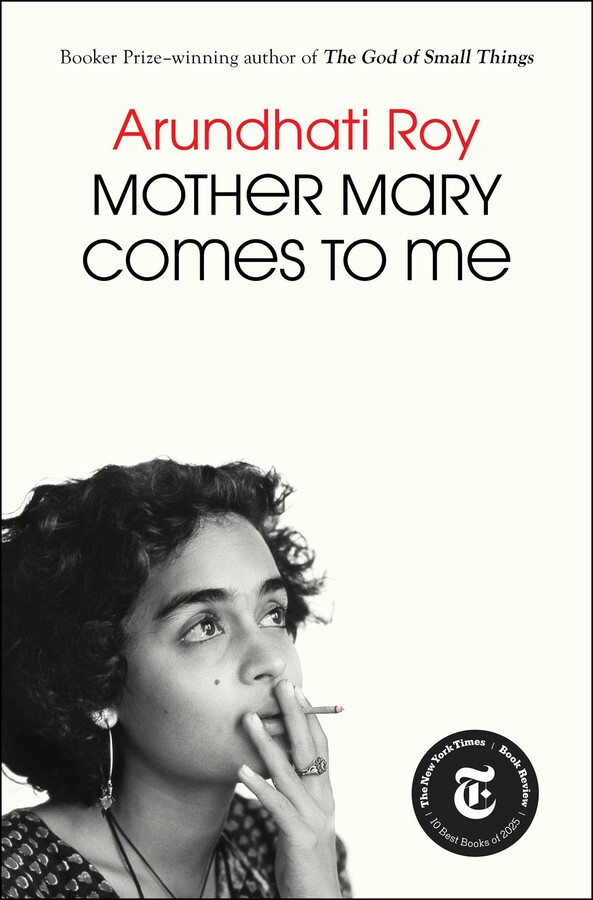

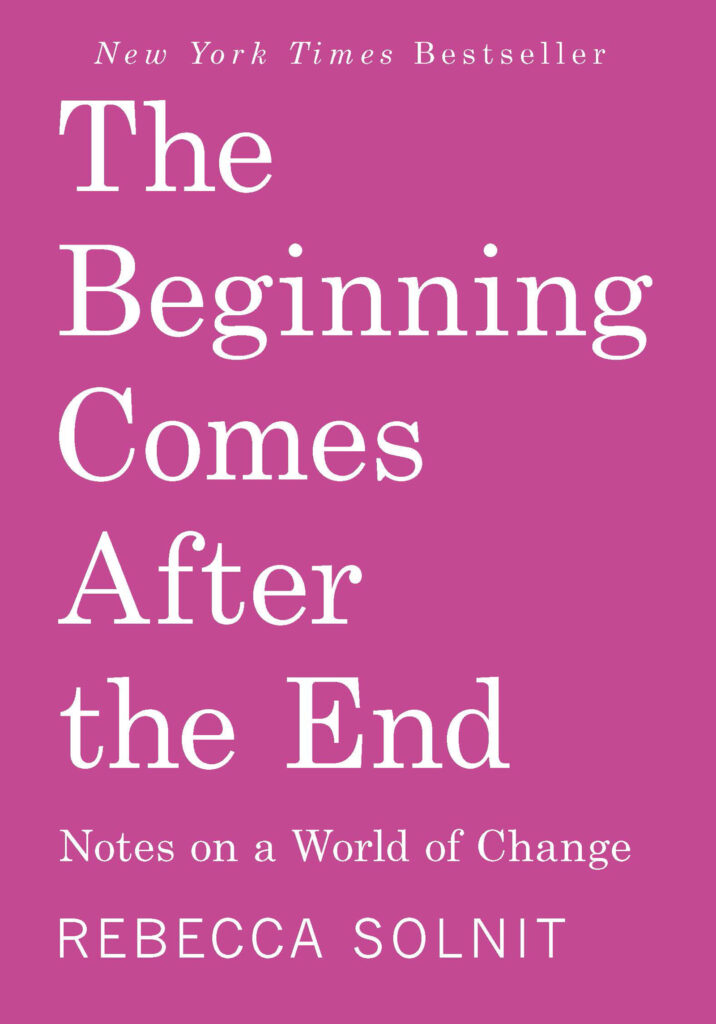
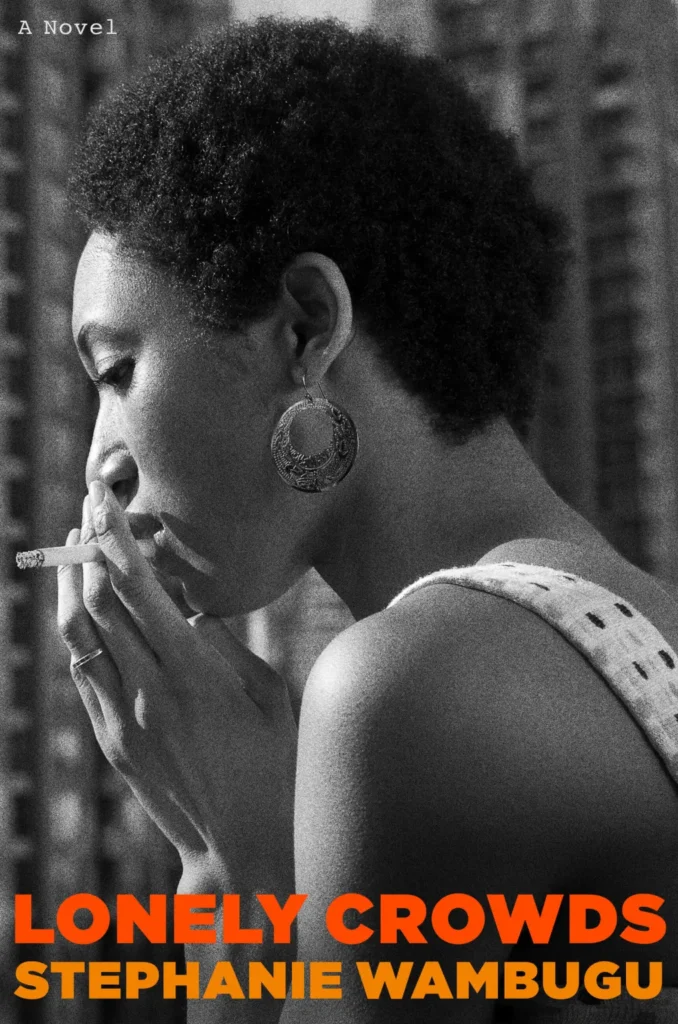
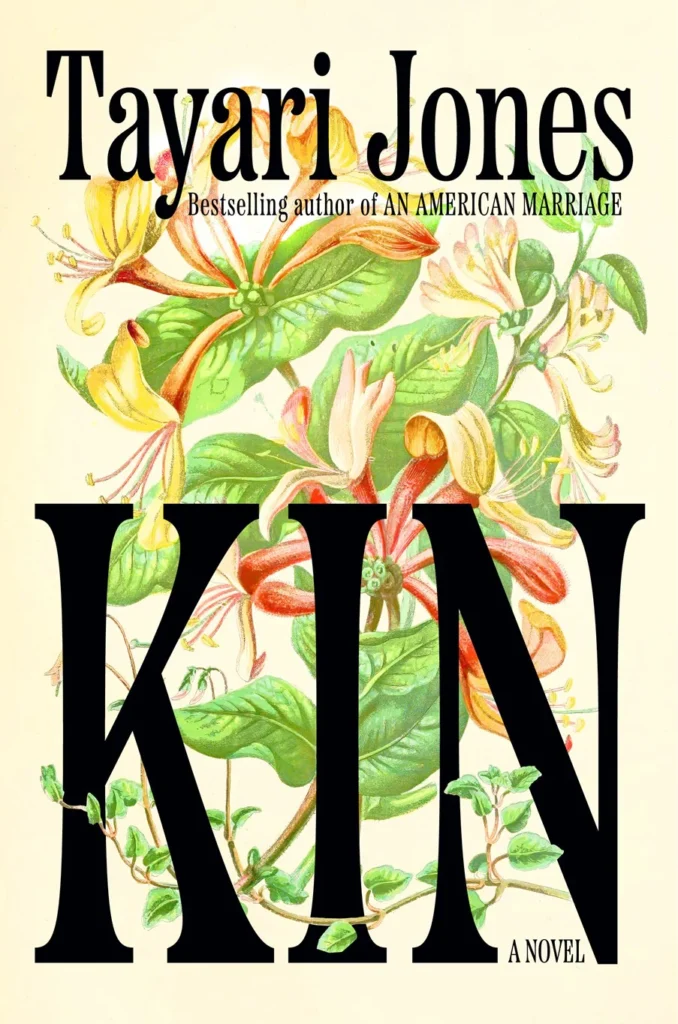
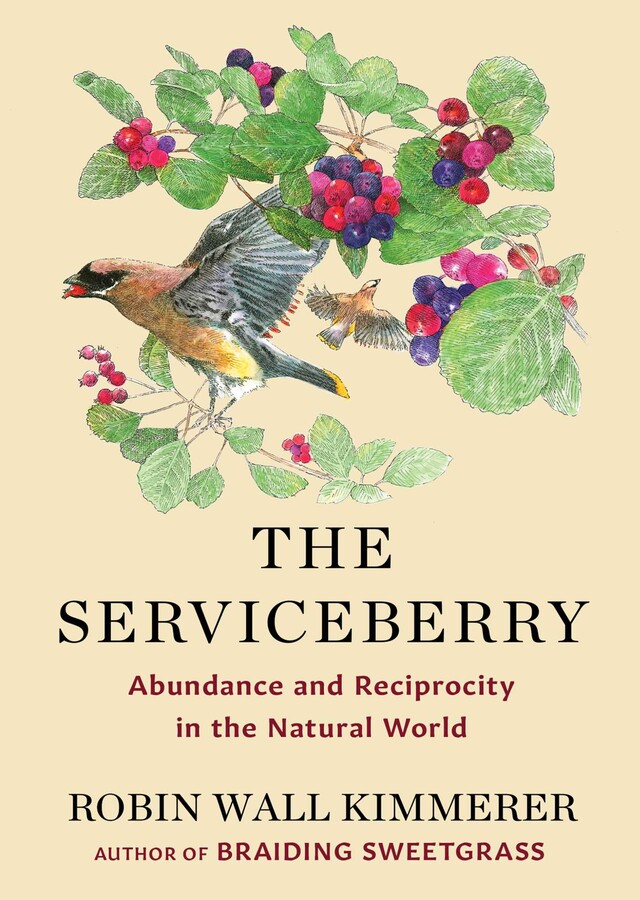
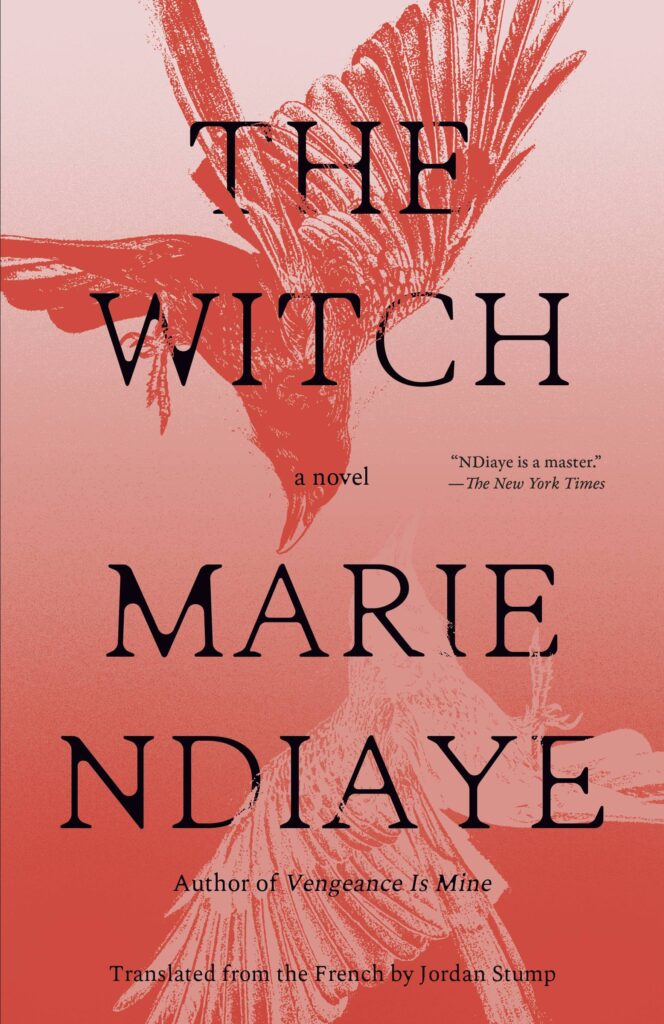
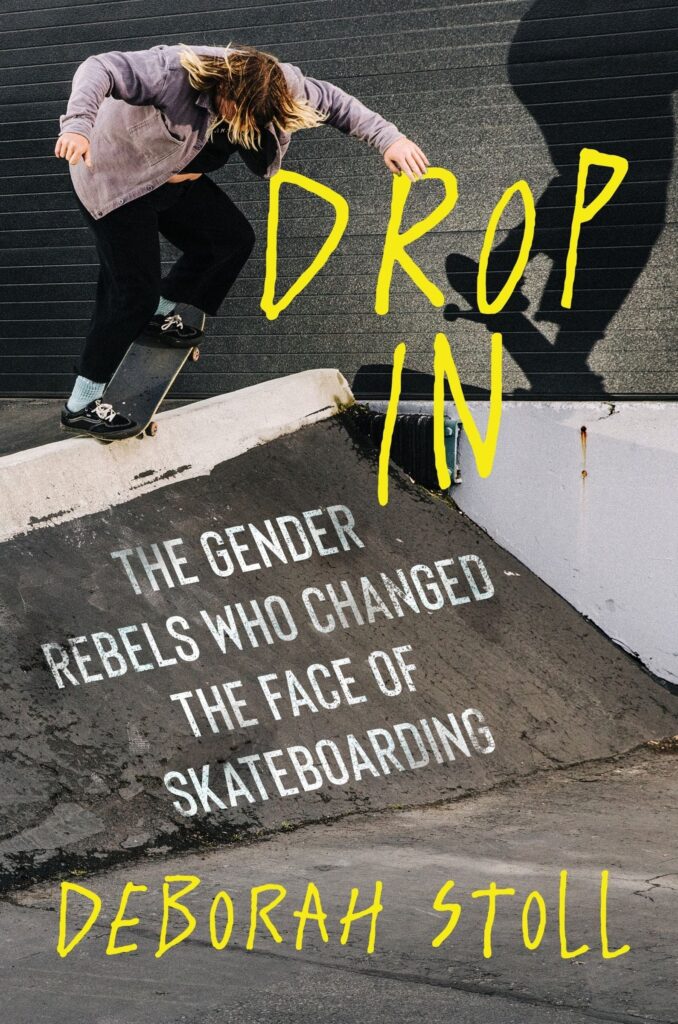
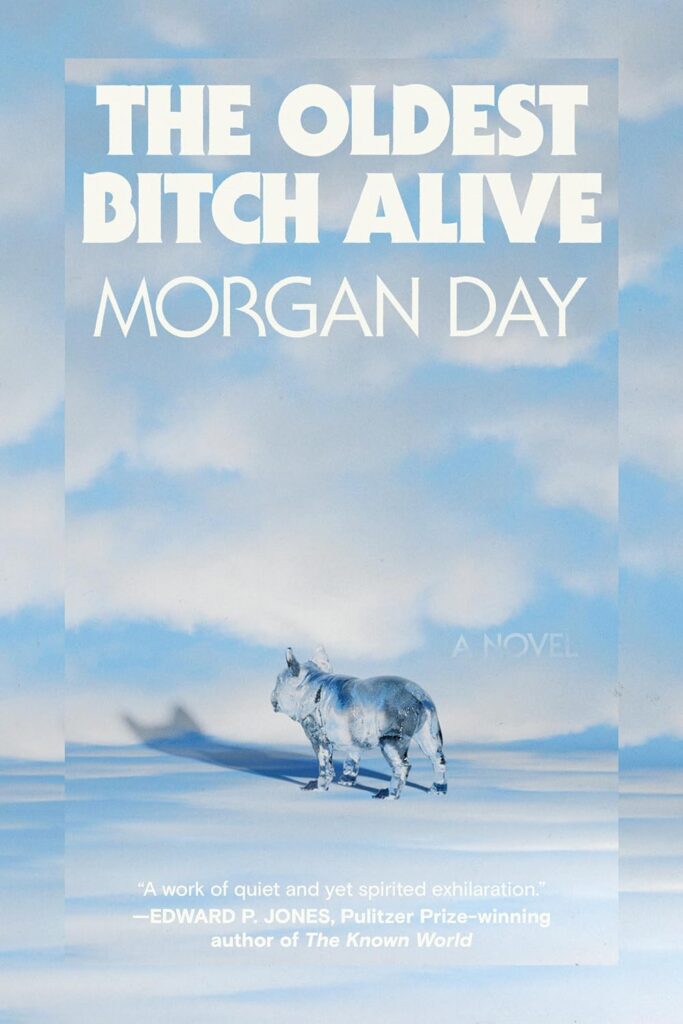
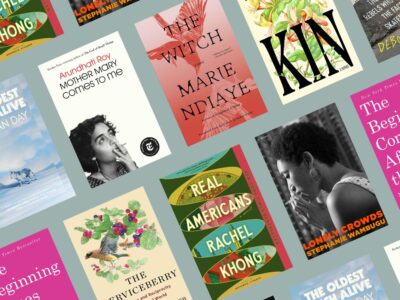
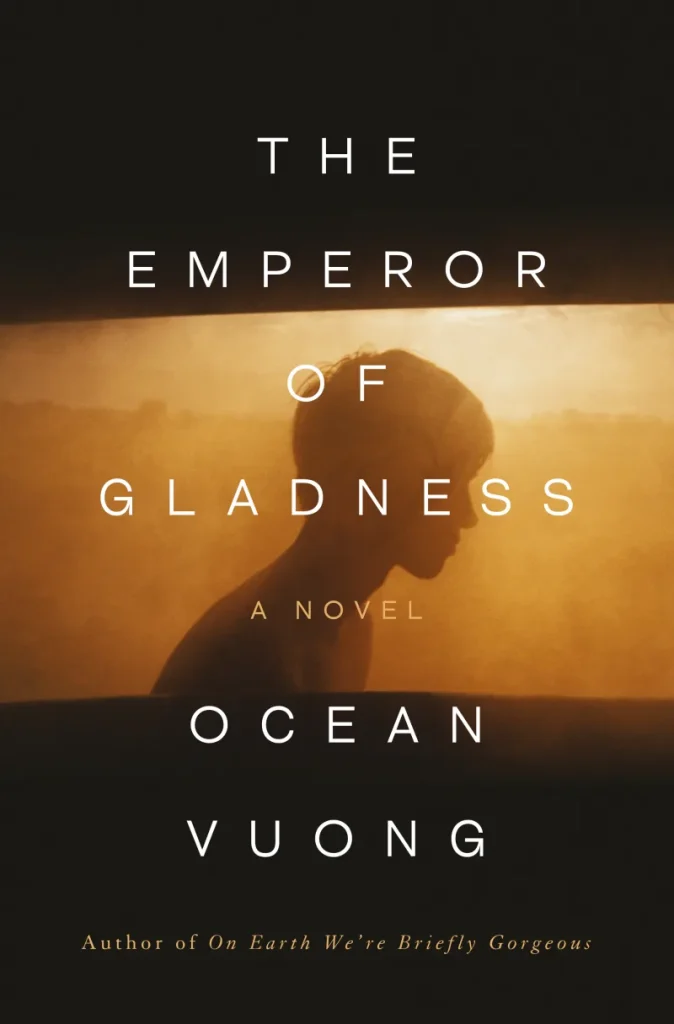
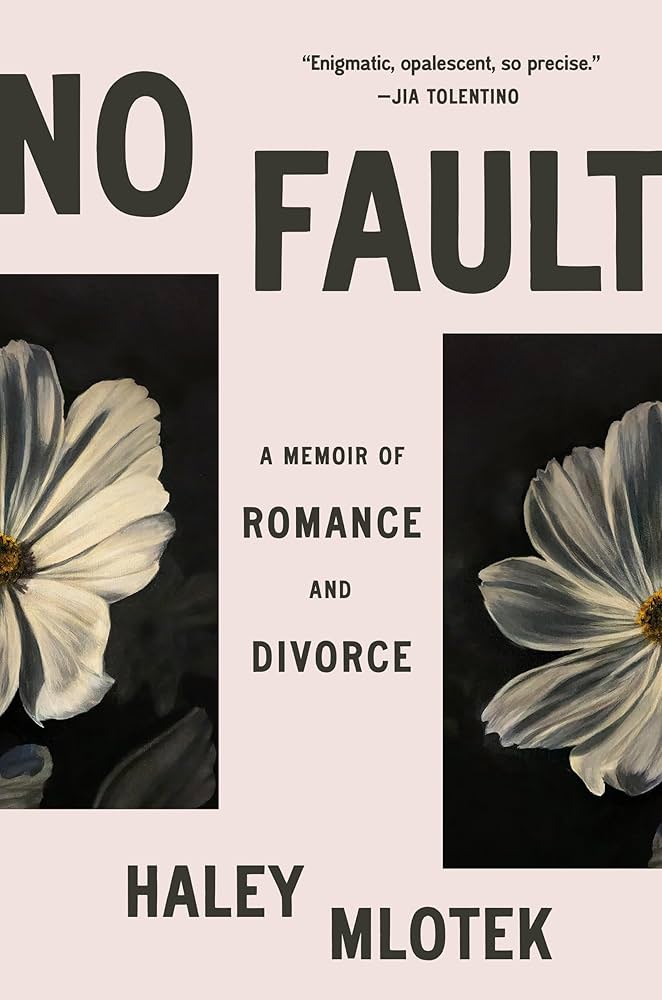

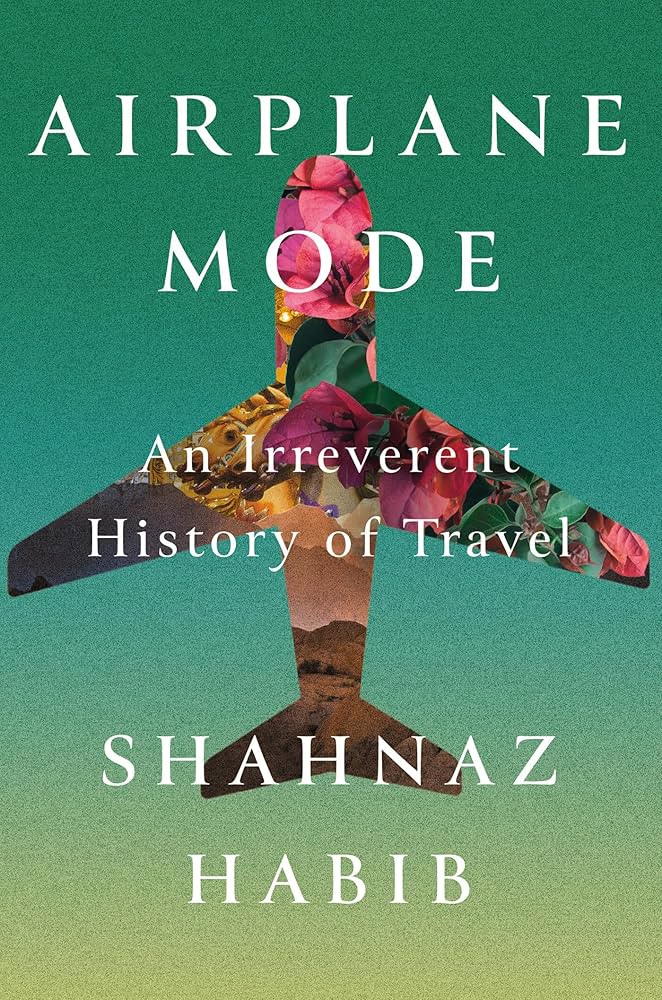


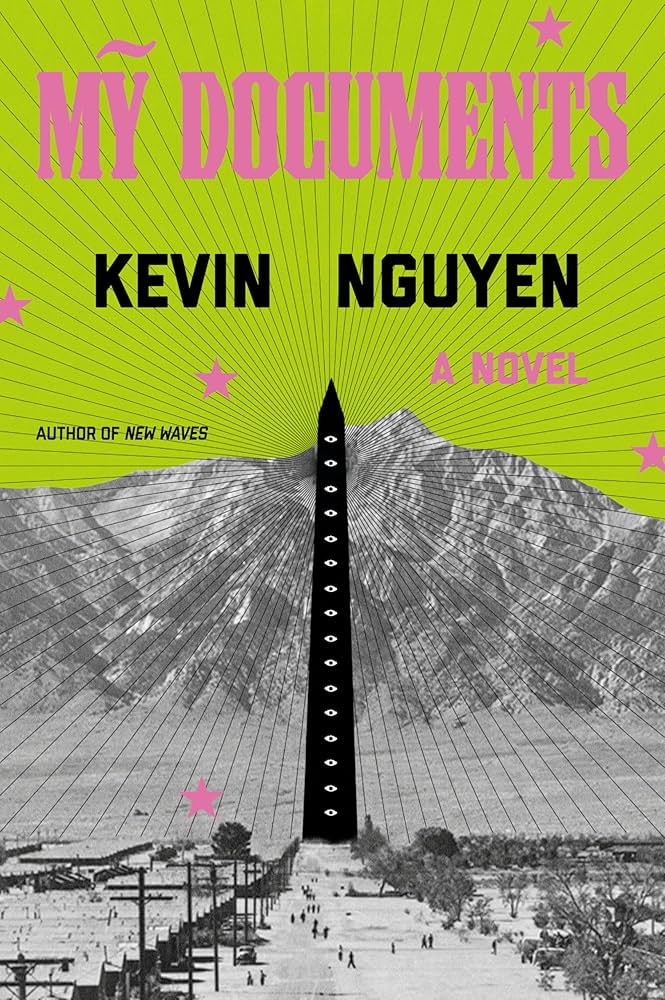
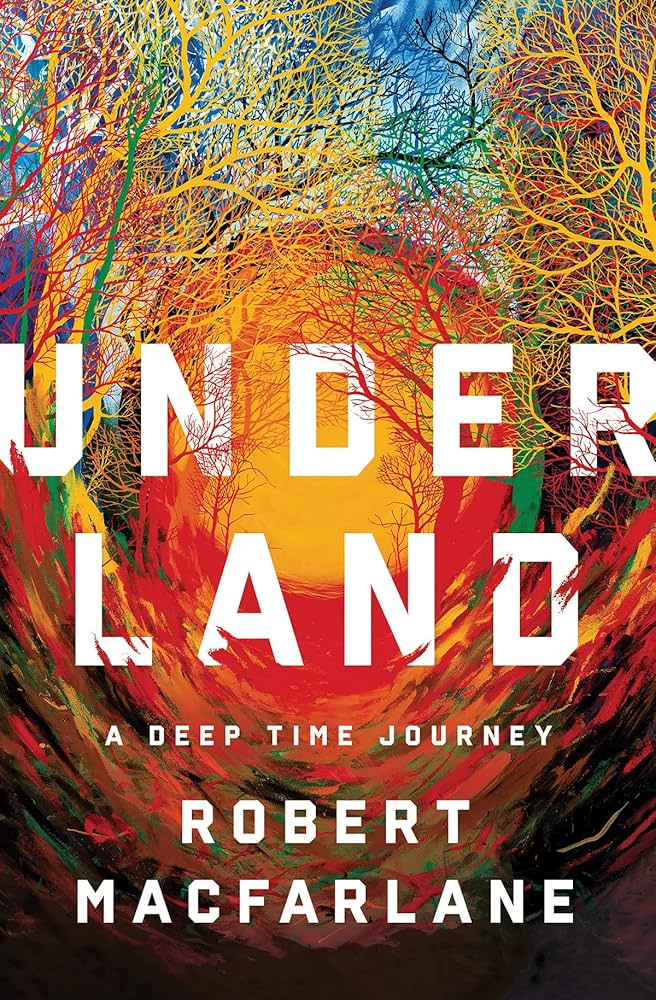
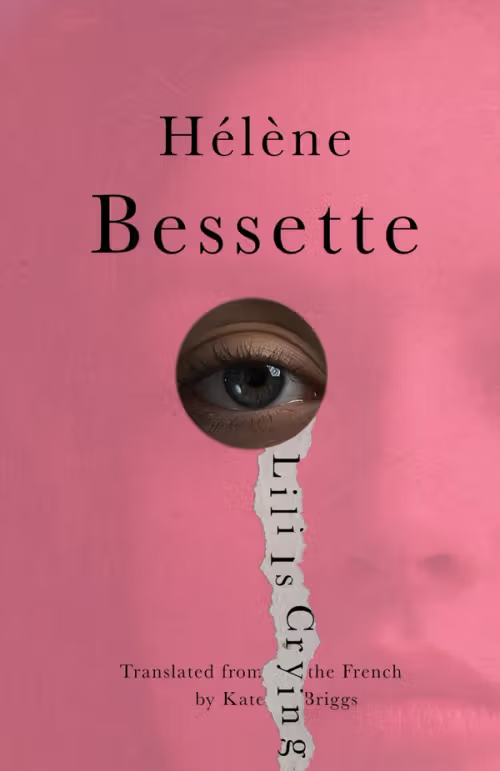





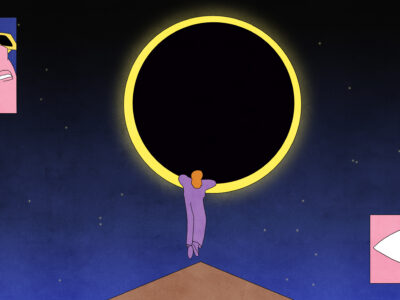
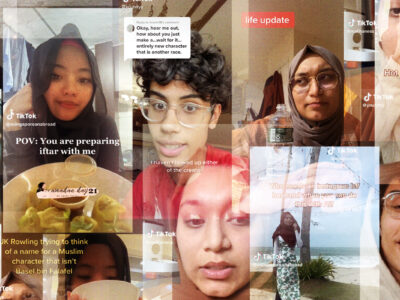
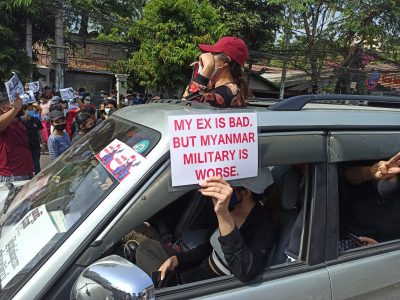
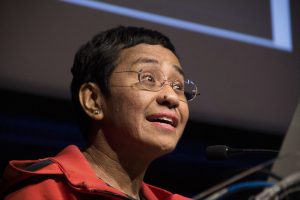 Maria Ressa at the International Journalism Festival in Perugia, Italy, April 4, 2019.[/caption]