Looking back at the courage of activists in decades past can help keep you from falling into hopelessness today.
One of my New Year’s resolutions was to quit “doomscrolling” at night.
It was going okay, until the Minnesota ICE raids accelerated in late January, and staying glued to my phone felt like all I could do to help from an ocean away. A few days later, there was news of yet another anti-trans bathroom bill passing, this time in Kansas, after over 600 anti-LGBTQIA+ bills were introduced across the United States last year. That same week, the Epstein files were released.
Previously ongoing for several years, my doomscrolling had instilled in me a sense of hopelessness that didn’t allow for any light to shine in. After I relapsed, I began to make nihilistic jokes about how dire everything felt, heavy bags under my eyes amidst my renewed nighttime habit. Instead of transphobic laws, anti-immigration sentiment, and sky-high rent existing as separate issues to be tackled with careful activism, all of the “bad” in the world morphed into one large, unintelligible blob, entitled “the horrors.”
Concerned about the possible damage I was doing to my brain, I sought advice from Melody Li, therapist and founder of Inclusive Therapists and Mental Health Liberation. They confirmed my fears were legitimate: According to Li, a “sense of despair” is one of the primary mental health impacts of doomscrolling.
“Social media feeds and the algorithm are designed to be addictive and to keep us scrolling to generate profit,” Li says. “[This] may manifest as feelings of depression, anxiety and hopelessness. When combined with loneliness—as these apps are designed to keep us isolated from community and real-world interactions—the despair may even heighten.”
I knew my anxiety and sense of hopelessness were increasing due to what was going on in the world around me. Unsure of how to stop it, however, I decided to turn to my work and community for guidance.
I am a queer journalist working on a long-term assignment about historic LGBTQIA+ activism, which includes researching movements led by queer British women. On one of my most fun work days, I read about a group of British women known as the Lesbian Avengers, who staged demonstrations against an infamous Thatcher-era law which banned discussion of LGBTQIA+ topics in schools. In 1988, as the law was debated in Parliament, the Avengers threw lengths of washing line over the House of Lords balcony, and abseiled into the chamber. They were immediately thrown out of the building, though some of the group were arrested and put in a “cell by Big Ben,” released several hours later. Despite their efforts, the law passed anyway, and was in place for 15 years until its repeal in 2003, but learning of the Avengers’ bravery and creativity in standing against it was galvanizing.
It also sparked a realization that I wasn’t achieving much by doomscrolling except augmenting my anxiety: If just one story could stir a hope I hadn’t experienced in years, what might learning about others do?
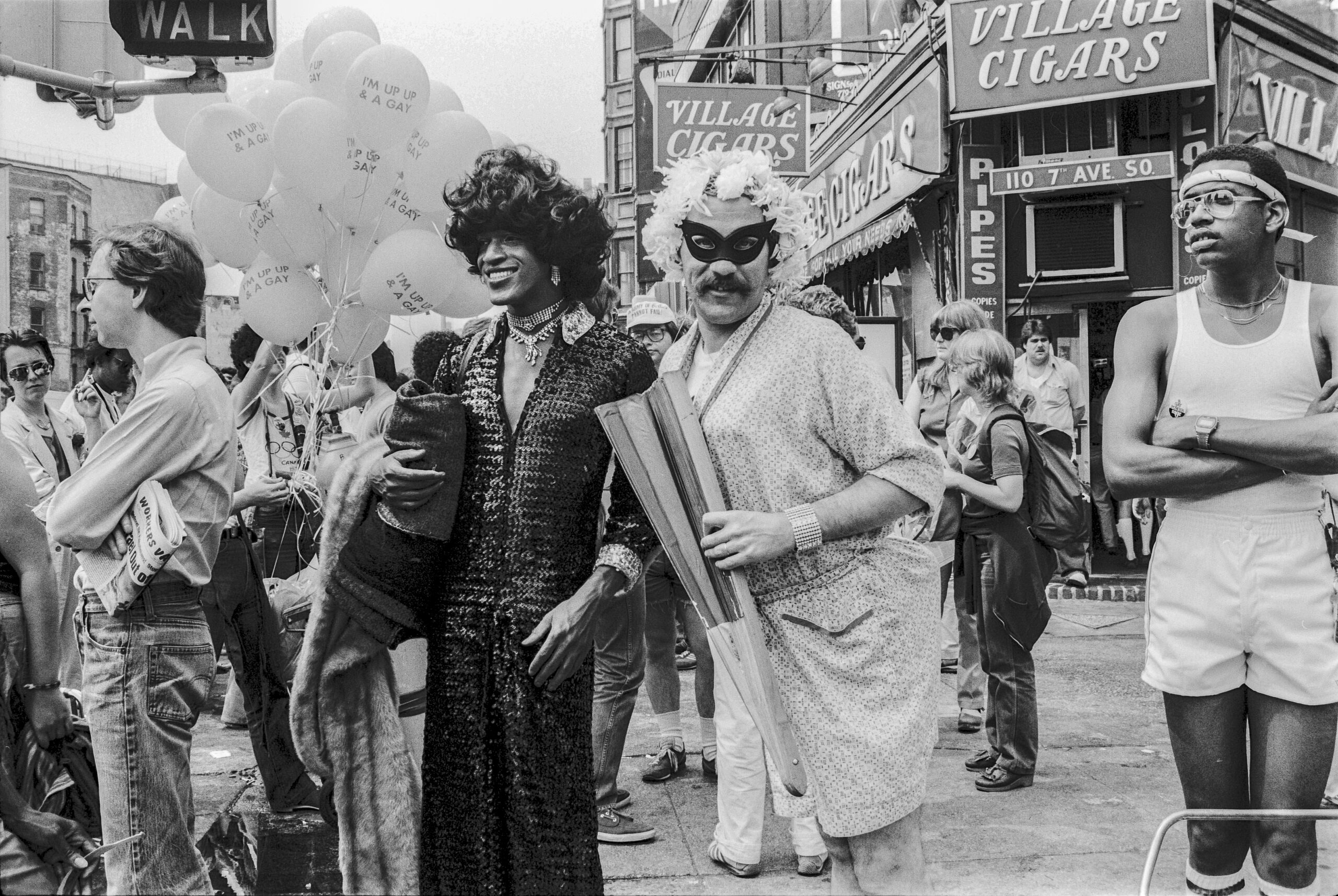
I began with two of the best-known examples of LGBTQIA+ resistance: the 1960s Stonewall Riots and Compton’s Cafeteria Riot in New York and California, respectively. Both were led by trans women and drag queens resisting police harassment and violence, inspiring Pride protests as we know them today. Wanting to better understand the wider movement, I decided to dig further into past and ongoing LGBTQIA+ demonstrations across the globe, and was astonished by the rich history that rarely ever makes it to the mainstream.
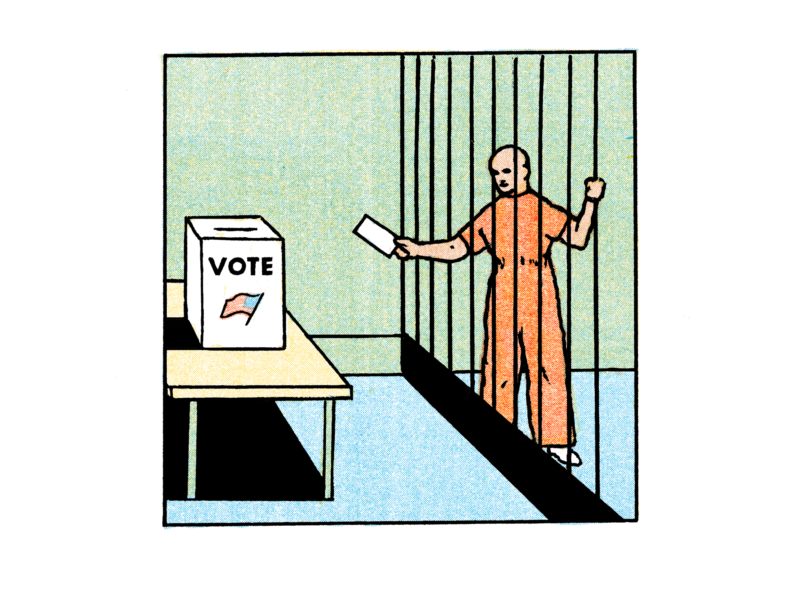
I learned, for example, about the prolonged fight for India’s Hijra (transgender and intersex, otherwise known as “third gender”) community to achieve voting rights in 1994. The campaign group, All India Hijra Kalyan Sabha, had already secured their right to vote after a decade of organizing, but in the 90s, “third gender” was still not an option on electoral rolls, forcing voters to choose between “male” and “female”. After years of further activism, the Supreme Court of India finally recognized “third gender” on official documents in 2014.
Today, Hijra people are still deeply marginalized, often facing “invasive” medical exams, difficulty accessing gender-affirming care, and roll-backs to existing rights, but the community continues to fight via widespread protests, community organizing, and online campaigns. Representation in politics, activism, and culture is also improving; in 2015, Madhu Bai made history as the first trans mayor in India, hijra people were represented as “kick ass” warriors in the Dev Patel film Monkey Man, while the community magazine Trans News launched in 2020, increasing global awareness of Hijra people and their struggles. Hijra activists are also reaching a wider global audience in news media across the world, highlighting the need to safeguard and expand their human and civil rights.
In Argentina, legal safeguards for LGBTQIA+ people were propelled by a group of twenty activists who stormed the Buenos Aires Constituent Assembly on August 27, 1996. The group carried large photos of Carlos Jáuregui, a gay activist who died of AIDS-related causes the week prior. Jáuregui was widely known for his HIV/AIDS awareness campaigns, for creating the LGBTQIA+ group Gays por los Derechos Civiles in 1991, and for attempting to sue the Archbishop of Buenos Aires for discrimination. He also organized the first ever Pride March in the city in 1992, which was made up of around 300 people, many of whom wore masks to avoid being recognized. (Buenos Aires Pride now attracts around a million people.)
During the August 27 demonstration, activists tracked down members of the commission, refusing to leave until they signed a statement of support for outlawing discrimination on the basis of sexual orientation. Days later, on August 30, the anti-discrimination clause was approved into the Constitution of the city of Buenos Aires, which became the first city in Spanish-speaking Latin America to legally protect LGBTQIA+ people from discrimination. Today, Argentina’s LGBTQIA+ rights are rated higher than the UK and the US due to their strong protections against hate crimes.
In Uganda, the LGBTQIA+ community continues to stand up against mounting discrimination with joy and courage, throwing “guerrilla-style” Pride celebrations despite some of the strictest anti-LGBTQIA+ laws in the world. At great personal risk, activists and allies alike have fought through several channels, including legally challenging the country’s anti-LGBTQIA+ laws. A group of Ugandan mothers of LGBTQIA+ people even took on the President in an open letter criticizing homophobic legislation, writing that it has been “horrific” to see their children “verbally threatened, physically targeted and abused for who they are and for whom they love.”
Especially touching to me while investigating these brave, public feats of political activism was the knowledge that they were so often preceded by decades of quieter community-based activism—like the lesbians in San Diego who stepped up to donate blood during the HIV/AIDS epidemic, the “buddy systems” which paired people living with HIV with an ally who “provided care, support and friendship when many people turned their backs,” the communities who fundraised for their vulnerable neighbors, and the friends who acted as each other’s chosen families. Many of these past activists’ strategies mirrored anti-ICE action in Minnesota, like noise protests, sit-ins, and mutual aid, demonstrating that in-person organization and community continue to be effective and powerful.
Still, old habits die hard, and despite my renewed hopefulness and resolve, the magnet of my phone nonetheless persisted in drawing my attention during those early-morning hours, the feeling that I had to know all the horrors difficult to expunge. I’m hardly alone: Over half of Gen Z (53%) have reported engaging in doomscrolling, compared to a third of US adults (31%) as a whole. It’s also not the same as ordinary online activity, as studies found LGBTQIA+ youth actually benefit from healthy social media use—while doomscrolling does the opposite, increasing users’ anxiety and emotional exhaustion.
To curb some of these negative consequences, Li suggests allocating time limits on certain apps, turning off notifications, and setting boundaries with friends who might send you “doom” content. They also emphasize engaging with our communities—offline.
“Being in community helps us build collective power and systems of care that center our voices and needs,” they explain. “Doomscrolling will spiral us into isolation and a sense of helplessness… We must resist these tactics by taking part in community, where we can share resources, organize, strategize, and make change together.”
Li’s advice on harnessing our collective power has been especially meaningful to me, though I do still find myself doomscrolling on nights I can’t sleep. But more than before, I’m able to ease the urge to give into hopelessness by gaining strength from the past. I remember the women who abseiled into Parliament, the people who risked their lives dancing in the streets for Pride, the community protesting for trans rights today, and those who have bravely faced, and continue to face, the “doom” head-on. They remind me that the opposite of doomscrolling is action, and I have begun to act—to volunteer with my local LGBTQIA+ community, to amplify marginalized voices, to join local protest groups. Because of their example, I am able to turn away from the cold blue light of the screen, and instead find the light in the community around me.