




A stunning posthumous collection of poetry that grapples with living and dying.
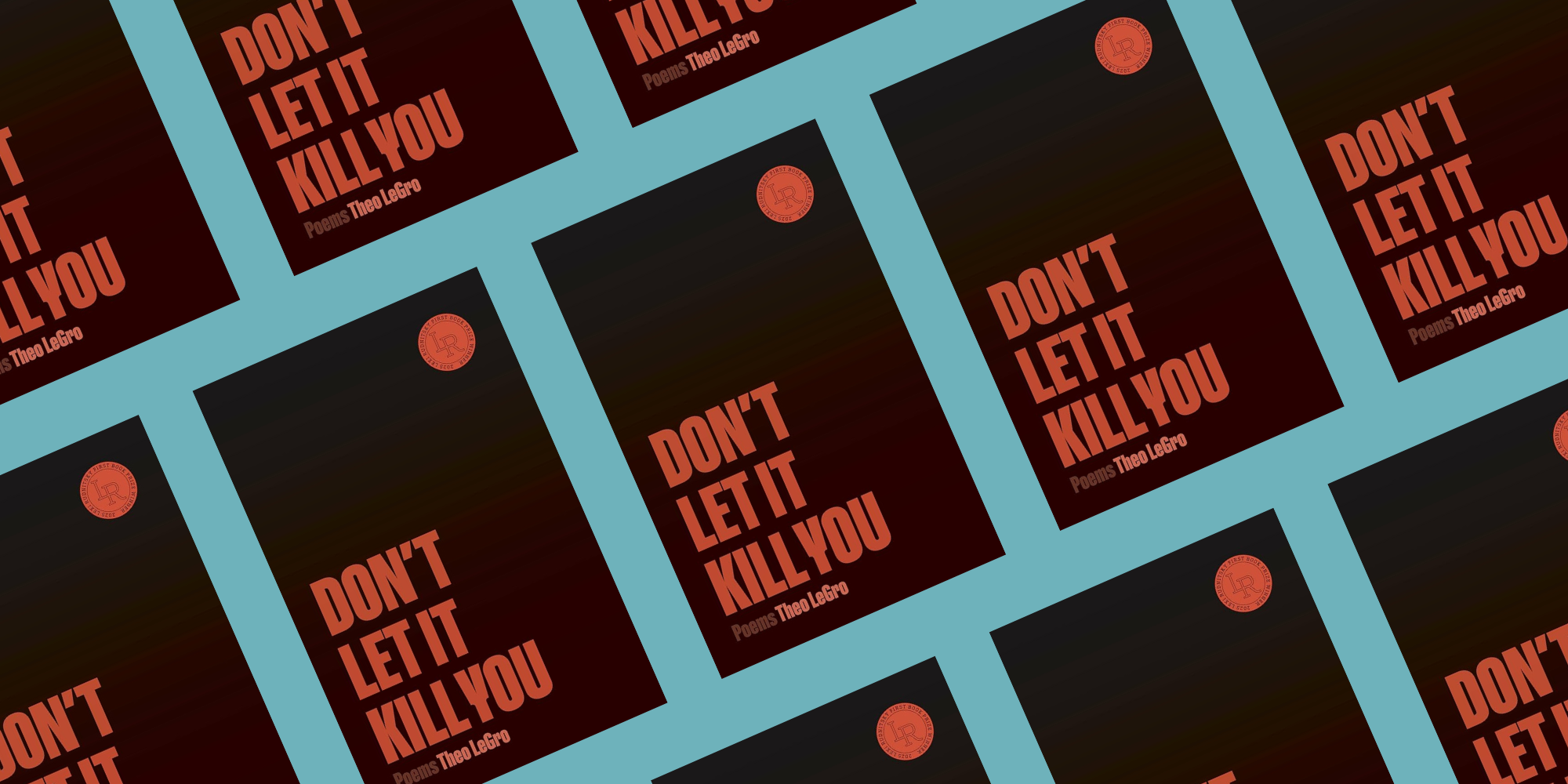
In early March 2026, the queer Vietnamese-American poet Theo LeGro died after a long battle with breast cancer. Nearly three months later, almost exactly to the day, their debut collection, Don’t Let It Kill You, was published posthumously by Persea Books. I’d known Theo—first online, then off—since I was a teenager, around half my life. They were a beloved partner and daughter, sister and aunt, and a dear friend to many. They were also a Kundiman fellow and Pushcart nominee whose gorgeous work was published in Brooklyn Poets, Plume, and The Offing, amongst others.
Writers who die young often seem to leave behind the most prolific thoughts on life, and Theo was no exception. I devoured Don’t Let It Kill You in one sitting, and then savored it in another. The collection is raw but exacting; sumptuous and sharp; tender and devastating. Much of it also grapples with dying, and existing in a body that is killing you. In some of their poems, Theo humanizes the tumor that has made a home in their chest, as they navigate their relationship to something both a part of them and not: “It’s humiliating, / how what’s killing you never even thinks of you. The storm / pulling down your house doesn’t even know your name.”
The collection is seeped in want as it is in longing. As Frontier Poetry puts it, Theo “leans into what could have been—a life not marred by disease.” (“It should be a miracle, to be so young / and ancient,” Theo writes. “To watch a scar’s colors change.”) But it is equally a trove of poems about trauma and inheritance; about distance, literal and felt; about the death of Theo’s father and their complicated relationship with their mother in Vietnam. It explores love—both its complications and its ease—and grief.
In the Jeff Tweedy song the book’s title is referencing (“Don’t Forget”), the line that precedes “don’t let it kill you” is “we all think about dying.” Perhaps more than most, this was true of Theo, long before they even knew they were sick. A few years ago, they were featured in a segment on The Today Show about the power of music to save us when we feel most untethered from life. They spoke of their depression and PTSD, grappling with suicidal ideation, and how music helped bring them back to themself. “Sometimes,” Theo said, “music becomes this communal experience that has reminded me of what’s worth sticking around for.”
This sentiment is interwoven throughout Theo’s collection—in its title, in certain poems like “I’d Rather Go Blind,” and in the rhythm of the writing. Don’t Let It Kill You is for anyone who’s ever felt seen in the lyrics of a song, who’s been touched by music’s particular kind of poetry—which is to say, all of us. But the collection also feels like listening to music when you’re reading it, as if imbued with all the songs that shaped Theo’s life.
At their joyful celebration of life in May, there was a video of Theo reading “Dress Sexy at My Funeral,” a reference to the Smog song of the same name. It also acted as a checklist for the very event taking place. Theo made music requests, of course (including “fiddles / even if I’m the only one / who thinks they’re sexy”); asked for those in attendance to “wear leather / wear chains” and “dance like nobody / is dying”; requested an after-party with karaoke. “Bury me / in the red dress / and the Reeboks,” they said, voice steady. “I wanna be ready / to run / in the next life.” They spoke, too, of wanting to come back, their body intact and scarless. “Let me / tell you a secret,” they said. “I’m not ready / to go / so / miss me / even though / it’s selfish to ask.”
From a Zoom call, thousands of miles away, I watched Theo in black and white, smoking a cigarette, beautiful as ever, and cried. But even those who might not have known them would have been able to see and feel the particular magic of Theo’s words and voice. Don’t Let It Kill You is an extension of this magic, and a testament to something—and someone—lost. “This life is nothing / but a thievery of hours,” Theo writes, “and I can’t even be / grateful I haven’t gotten caught.”
We aren’t owed our time on Earth, I know—but there is a specific kind of grief when someone dies so young, like expecting another step and slamming your foot on flat ground. I wonder what Theo might have written about if they’d had more time; what new music they might have liked that doesn’t yet exist. But more than anything else, I just wish they’d had more time to be.
“Sometimes, I get bogged down thinking about where all this time spent in this depressed state has gotten me, and one way to sort of alchemize it has been writing poetry,” Theo said in that same Today Show interview. “I feel like another way to alchemize it might be just using it to help other people if I can.”
We all think about dying. But sometimes, what gets us to the other side is finding something that helps us make sense of living. What a gift, then, to have Theo’s words, in Don’t Let It Kill You and beyond, to guide us through.
~
In honor of Theo’s life and legacy, Kundiman has established the Theo LeGro Scholarship Fund to help support queer and disabled writers participating in their online classes and retreats. To learn more about the fund and donate, you can visit TheoForever.com.