WP_Post Object
(
    [ID] => 10980
    [post_author] => 15
    [post_date] => 2026-08-27 21:42:46
    [post_date_gmt] => 2026-08-27 21:42:46
    [post_content] => 

A staggering and tender collection of short stories about Mapuche youth in modern day Chile.

Daniela Catrileo begins Piñen with an invocation. In a short preface, she asks the reader to imagine a river, powerful and pulsing; to imagine its sounds, its smells; to picture the way it moves, how the water snakes through the earth. 

“Now come with me to the river,” she writes. “Give me your hand.” 

For Catrileo, this invocation is both purposeful and personal. Piñen is a book of short stories about Mapuche youth, largely centered around girls navigating childhood and adolescence against a backdrop of othering: The Mapuche are the largest group of Indigenous peoples in Chile, where these stories take place. The author asks us to invoke the river as a path through “continuity and exile,” and chooses it, in part, for its significance to her family’s lineage and name. (In Mapudungun, the Mapuche language, Catrileo means “cut river,” a symbolism she interweaves throughout her work as a way of exploring how Indigenous people have been “fractured by dispossession” and displacement.) 

Her request sets the tone for the rest of the book. “To understand the river, a sensory relationship with its body is essential,” she writes. “If we can manage to understand its song, its language, its movement, perhaps we can translate tomorrow.”

With Catrileo as our guide, we are pulled through Piñen’s currents, both gentle and violent. In one story, the narrator considers the death of a classmate, shot and killed just beneath her window. In another, a young woman remembers her brother, years after he’s disappeared, while stuck on the Santiago Metro. In “Warriache,” a woman reflects on her childhood friendship with another Mapuche girl, a fellow outcast named Yajaira, as a means of remembering and understanding herself. “When I imagine Yajaira, I have an easier time of seeing me, too,” she says. “I am trying to sketch my life, beginning with hers.” 

Much of the book explores the idea of collective memory, and the deep wound that colonialism leaves behind. It is also an exercise in how we might begin to correct and defy colonial narratives by uncovering the truth hidden beneath them. (As Catrileo writes, “In the dance of writing, it’s important to open the wound.”) “Colonial shards produce colonial images: fragments that lodge like splinters,” she writes in the book’s preface. “The question of how to create images that fold and divert the colonial gaze runs through my creative practice. Though it may seem like an aesthetic question, it’s also deeply political. To interrogate the image is to interrogate the instruments of geopolitical domination that continue to operate.” 

Piñen—which means “dust or grime stuck to the skin” in Mapudungun—is a book about identity and survival, and how they are inherently intertwined; how gender and race and class can change the shape of how a person perseveres. Specific to the Mapuche, it is about how a displaced people and culture can endure, even when forced out of their ancestral home to cities and other places unknown. 

Yet while the stories are specific—all take place in Chile around the turn of the century, and follow characters trying and failing to shed the piñen that clings to them—the collection feels most universal in Catrileo’s deep understanding of the precarity of adolescence, and the feeling of gradually becoming who you are. Through this lens, its stories feel both exceptionally jarring and undeniably tender. Perhaps most unsettlingly, in “Pornomisery,” the narrator grapples with the violence that surrounds her: Next door, her neighbor Valeska—a girl around her age—suffers incestual rape at the hands of her father, who eventually kills himself after he learns his daughter is pregnant. Later, the narrator discovers her grandmother had been abused by her own father, and that her mother, too, had been abused by an uncle, something her mother only remembers much later in life. 

Much of the story is about feeling helpless in the face of other people’s suffering, and for those who have suffered, domestic rage as a response to silence. “The kitchen was my mother’s place of liberation,” the unnamed narrator says. “I always imagined that instead of crying, she cooked… It was her way of escaping, of screaming.” As the narrator begins to go through puberty, she is hurdled towards something she feels both unequipped for and uninterested in. Still, she knows that the change is entirely out of her control. “Everyone went through the motions to make me a woman,” she says, resentfully. “But they never explained to us why, nor did they ask if I wanted to become one.” 

Through all of this, Catrileo does not shy away from the darkest depths of her characters’ pain, particularly the pain of women and girls. But she also never abandons us in its pursuit: Just when you think you might be starting to drown, her hand is there to pull you out of the river, and back into the light.

[post_title] => Book of the Month: "Piñen" by Daniela Catrileo [post_excerpt] => A staggering and tender collection of short stories about Mapuche youth in modern day Chile. [post_status] => publish [comment_status] => closed [ping_status] => closed [post_password] => [post_name] => book-of-the-month-pinen-by-daniela-catrileo-translated-fiction-short-stories-mapuche-chile [to_ping] => [pinged] => [post_modified] => 2026-08-27 21:42:48 [post_modified_gmt] => 2026-08-27 21:42:48 [post_content_filtered] => [post_parent] => 0 [guid] => https://conversationalist.org/?p=10980 [menu_order] => 0 [post_type] => post [post_mime_type] => [comment_count] => 0 [filter] => raw )
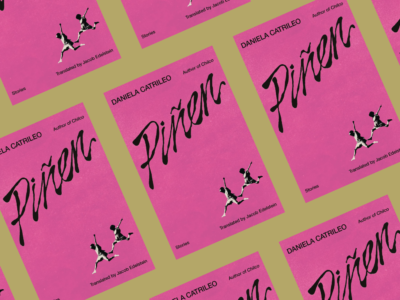
The book cover for "Piñen" by Daniela Catrileo.

Book of the Month: “Piñen” by Daniela Catrileo

WP_Post Object
(
    [ID] => 9866
    [post_author] => 15
    [post_date] => 2025-12-29 23:35:11
    [post_date_gmt] => 2025-12-29 23:35:11
    [post_content] => 

From new releases to new translations, everything worth adding to your TBR pile next year.

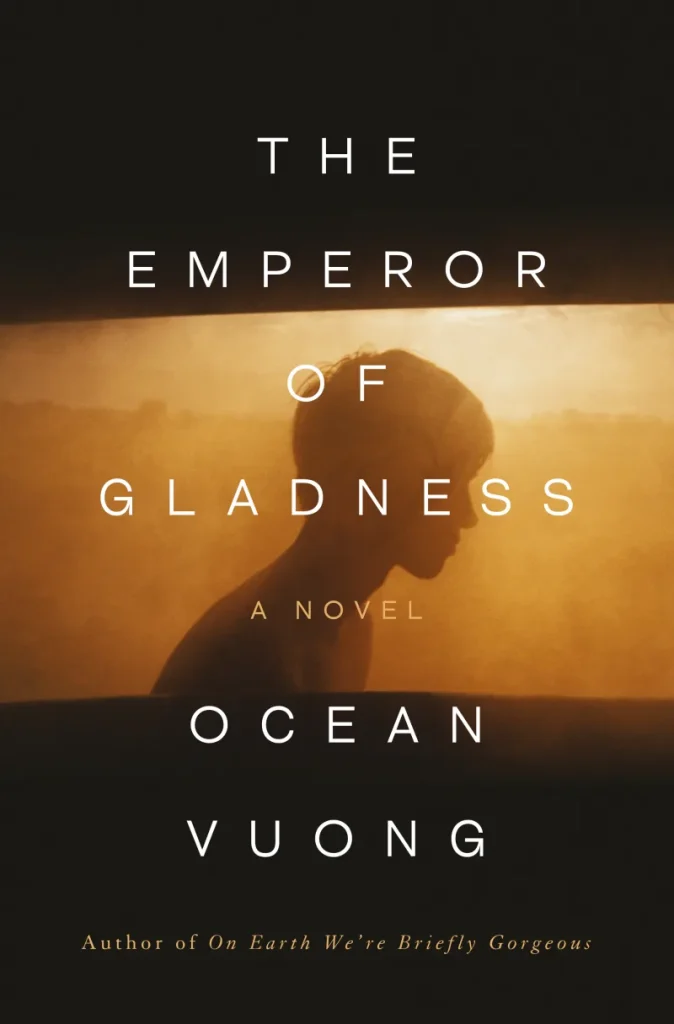
Book cover for The Emperor of Gladness by Ocean Vuong.

The Emperor of Gladness
by Ocean Vuong

My favorite book of the year was The Emperor of Gladness by Ocean Vuong, which lived up to its hype. It features Hai, a dropout and addict who is saved from jumping off a bridge by Grazina, an elderly woman with dementia. He becomes her caretaker and roommate, and they develop an odd, moving relationship that reaches across generations and connects their shared immigrant experience. It’s also a story about getting by in a backwater town (East Gladness, Connecticut), and the found family Hai makes working at a Boston Market type chain. I loved Vuong’s poetic sensibilities in his last novel, On Earth We’re Briefly Gorgeous, and his latest felt like the author stretching his wings.

Anna Lind-Guzik, Founder

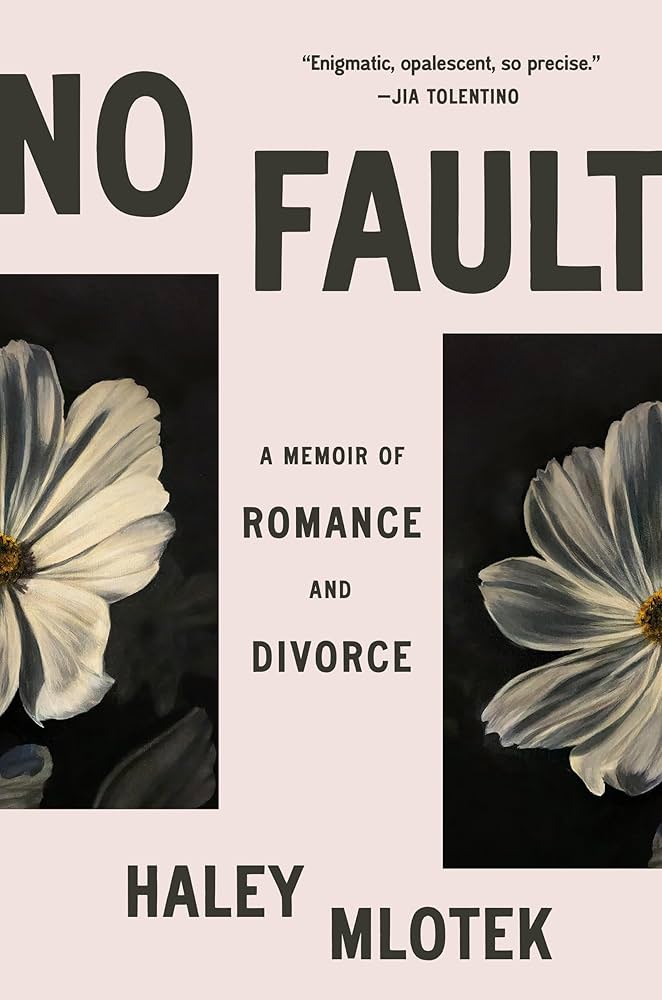
Book cover for No Fault by Haley Mlotek.

No Fault: A Memoir of Romance and Divorce
by Haley Mlotek

I loved No Fault, writer Haley Mlotek's cultural history of divorce, for the way it combines historical research with literary analysis, and for how Mlotek weaves the story of her own divorce through it all. It's a moving inquiry into big topics (love, marriage, family, partnership, community, autonomy) that feels like an honest conversation with a trusted friend. I came away from this book thinking differently about our cultural scripts for romance and separation, but also about the various couplings and splits that have shaped my life and those of the people I love.

Marissa Lorusso, Newsletter Editor

The Obscene Madame D
by Hilda Hilst, translated by Nathanaël

I've long been curious about Brazilian writer Hilda Hilst, whose work was only translated into English for the first time in 2012, nearly a decade after her death. The Obscene Madame D—a slim and profane novella about a 60-year-old woman named Hillé who goes "insane" following the death of her lover—did not disappoint. I read it in one sitting, allowing myself to be carried along the current of Hilst's existential contemplations about grief and God and sex and sanity. I've since learned fellow Brazilian writer Clarice Lispector was a friend and fan, and I can see it. But having read (and loved) both, I think Hilst is more absurd; more corporeal. This book felt like sinking into a fever dream, and achieved the rare feat of both making me laugh out loud and sending me into a philosophical spiral. (Note: A new edition of The Obscene Madame D was released earlier this year by Pushkin Press, but I nabbed myself a secondhand copy from Nightboat, Hilst's original U.S. publisher, which is the edition included here.)

Gina Mei, Executive Editor

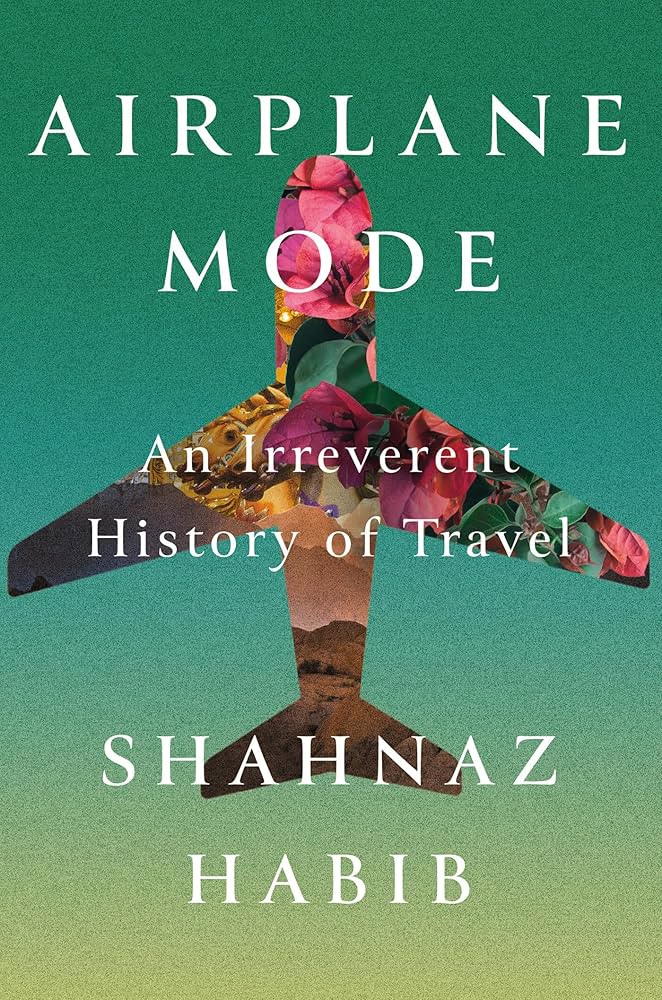
Airplane Mode: An Irreverent History of Travel
by Shahnaz Habib

I'm obsessed with Airplane Mode: An Irreverent History of Travel by Shahnaz Habib. For the factoid or wanderlust lover, this book explains the modern history of travel and explores the theme of colonization through a traveler mindset. Most travel books are written by white authors, so I also found it extremely refreshing to see travel from Shahnaz's perspective. This book opened my eyes to topics like passport privilege and even how Thai food's popularity in the U.S. began. If you've ever said, "I love to travel," Airplane Mode is essential reading.

Kiera Wright-Ruiz, Social Media Manager

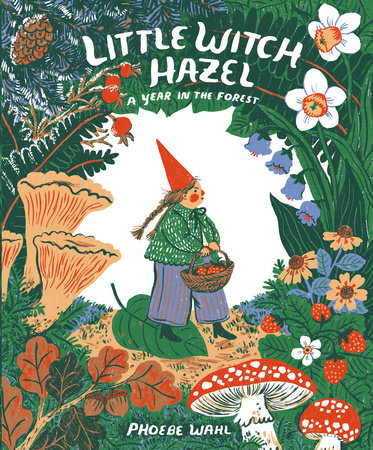
Little Witch Hazel
by Phoebe Wahl

As a mom of two young kids, I read a lot of children's books, and one that I keep coming back to is Little Witch Hazel by Phoebe Wahl. The book is divided into four seasons, and during each season—in the blossom-filled spring, in the carefree summer, during spooky season, and in the snow—the kind witch makes house calls throughout the forest to help her animal neighbors and deepen her community. Hazel is a midwife, a mystery solver, and an always kind-hearted friend. Each time we read it together, my daughter and I discover new details in the illustrations that we hadn't noticed before. It's a delightful escape to another world and reminds me how important it is to show up for our neighbors throughout the seasons.

Erin Zimmer Strenio, Executive Director

Cursed Daughters
by Oyinkan Braithwaite

When I picked up Oyinkan Braithwaite's Cursed Daughters at the Lagos airport in November, my flight had been delayed. It was a happy coincidence to be able to start reading it when I had some unexpected free time, as I'd been meaning to get it since its September release. The problem came days after, when between some busy reporting days and visiting family I don't get to see very often, I found it difficult to put the book down. 

Braithwaite's Cursed Daughters is an intergenerational story about Nigerian (Yoruba) women in a family, the Faloduns, who are quite literally cursed in their love lives. The story oscillates between different time periods and marks how culture and tradition can evolve—or not—in different eras we think of as contemporary. Aside from the witty writing and plot, what I loved most about it was its mix of originality while also exploring a familiar subject that I think anyone from anywhere can relate to. Without giving too much away, I think what impresses me most about Braithwaite's writing is that she manages to avoid obvious clichés about Nigerian sensibilities and how family obligations work, and instead offers the nuance so many of us observe and live in.

Before I'd finished, while still in Nigeria, one of my aunts managed to convince me to leave the book behind for her to read. Reluctantly, I did, then almost immediately ordered another copy so I could pick up from where I left off as soon as I got home. 

Kovie Biakolo, Contributing Editor

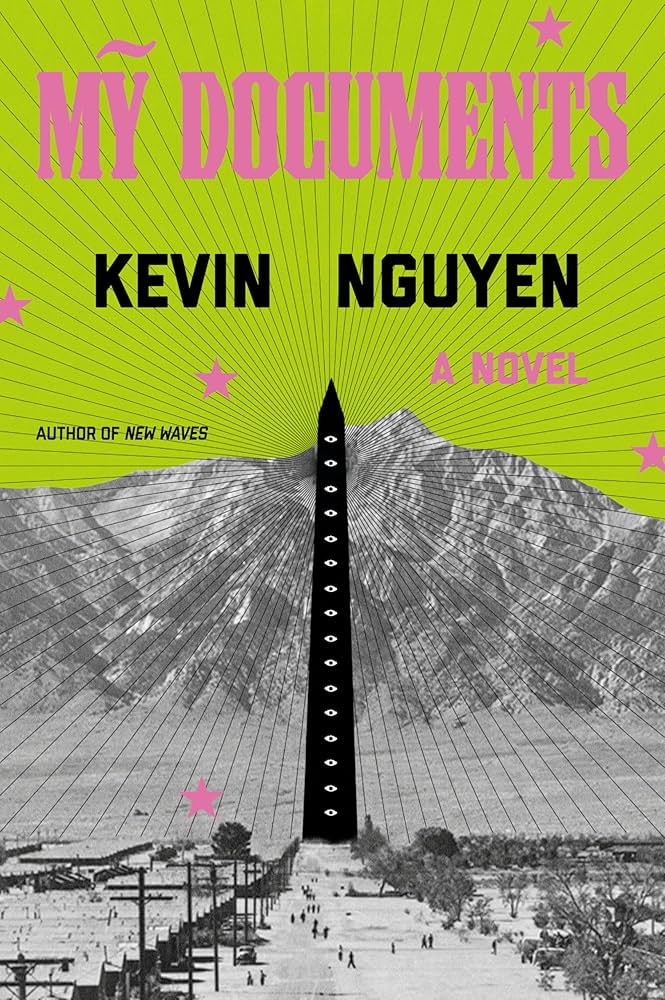
Mỹ Documents
by Kevin Nguyen

Months after finishing this book, I'm still baffled at how Kevin managed to write something so eerily prophetic. Mỹ Documents takes place in a not-really-that-dystopian timeline where, following a slate of domestic terrorist attacks, the U.S. begins rounding up Vietnamese Americans and sending them to internment camps. The book centers on four "cousins" from the same family, and their vastly different experiences of survival over the years the order is in effect. Mỹ Documents doesn't shy away from the obvious parallels to the internment of Japanese Americans during World War II (and, in fact, specifically admonishes one of the characters for not knowing their Asian American history), but instead shows how easily history can and does repeat itself. Somehow, Kevin handles this with both the weight it deserves, and a good sense of humor, the moments of levity so necessary, and so human, they make the rest of the book feel like a punch to the face.

G.M.

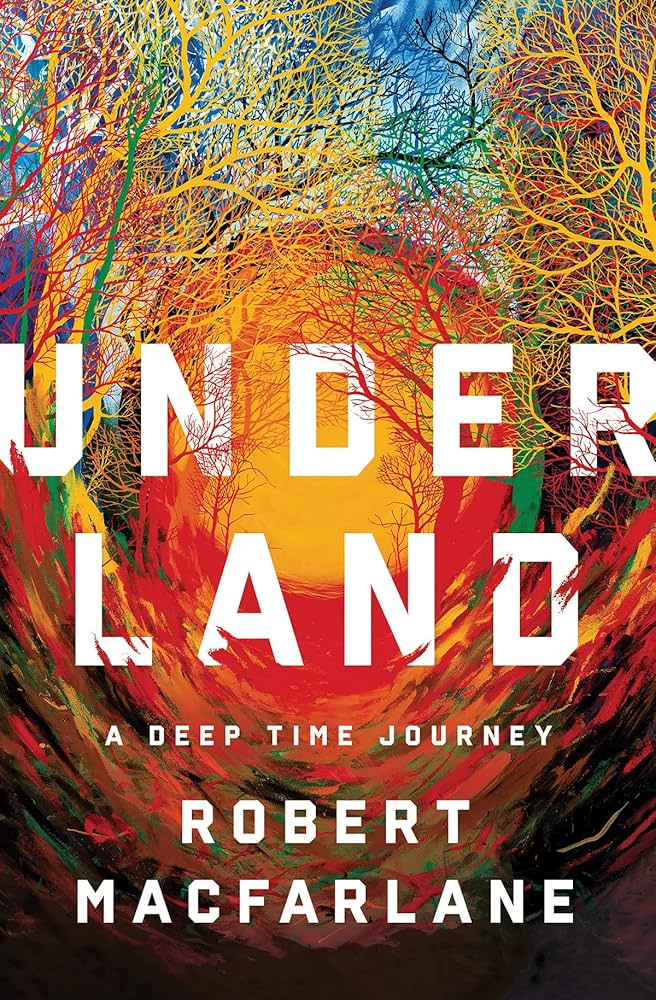
Underland: A Deep Time Journey
by Robert MacFarlane

This book came to me as a recommendation from a friend, who highly encouraged me to read it because of our shared love of nature, adventure, and musings on the great unknown. MacFarlane is an explorer who writes in a captivating, vivid way about his experiences and interactions with some of the most interesting environments and people on the planet. He hones in on the idea of "deep time" and how there is a relativity to experience depending on where and how we live. Underland is filled with wonderful explorations of caverns, catacombs, glaciers, mountains, and more...all with insightful history of both the places and people who dare to explore them to their fullest (or "deepest"). 

Jessica Granato, Executive Assistant

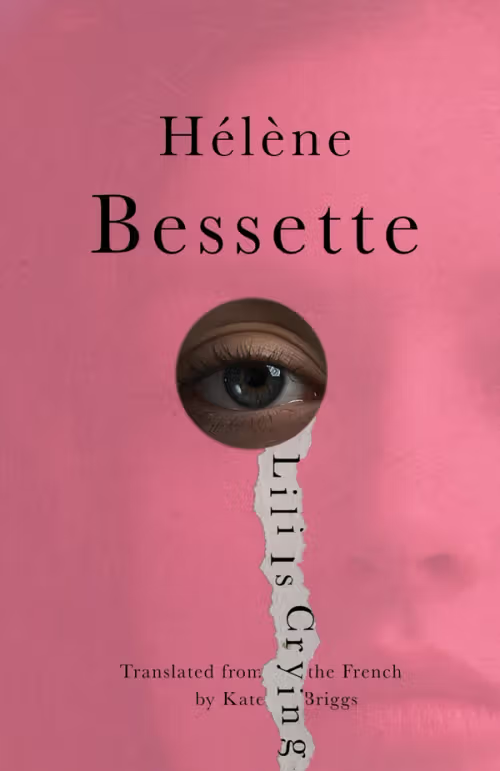
Lili is Crying
by Hélène Bessette, translated by Kate Briggs

A cult classic when it came out in France in the 1950s, Lili is Crying was translated into English for the first time this year, and is the most "holy shit"-worthy cautionary tale against codependency I've ever read. With sparse language, and stylistic choices that blur the lines between narration and inner monologue, Lili is Crying is a book about a mother and daughter's increasingly unhinged relationship, told over the course of the daughter's lifetime. Charlotte (the mother) emerges as an all-time literary villain, insidious and manipulative and cruel. Lili (the daughter), meanwhile, more than lives up to the title: She spends most of the book in tears. Despite multiple attempts at detangling herself from her mother, she just can't seem to leave her behind. While definitively a work of literary fiction, after finishing it, I texted a friend who works in film and TV that it would make a hell of a horror movie. This is my official plea for someone to please make it.

G.M.

[post_title] => The Best Books We Read in 2025 [post_excerpt] => From new releases to new translations, everything worth adding to your TBR pile next year. [post_status] => publish [comment_status] => closed [ping_status] => closed [post_password] => [post_name] => best-books-2025-reads-tbr-ocean-vuong-oyinkan-braithwaite-haley-mlotek-hilda-hilst-shahnaz-habib-phoebe-wahl-robert-macfarlane-kevin-nguyen-helene-bessette [to_ping] => [pinged] => [post_modified] => 2026-01-15 21:43:21 [post_modified_gmt] => 2026-01-15 21:43:21 [post_content_filtered] => [post_parent] => 0 [guid] => https://conversationalist.org/?p=9866 [menu_order] => 0 [post_type] => post [post_mime_type] => [comment_count] => 0 [filter] => raw )
The oil painting "Reading" by Georges Croegaert, depicting a woman lying back on a couch and reading a book.

The Best Books We Read in 2025