WP_Post Object
(
[ID] => 3193
[post_author] => 2
[post_date] => 2021-09-22 03:32:26
[post_date_gmt] => 2021-09-22 03:32:26
[post_content] => Her message to the world: please don't forget the refugee children.
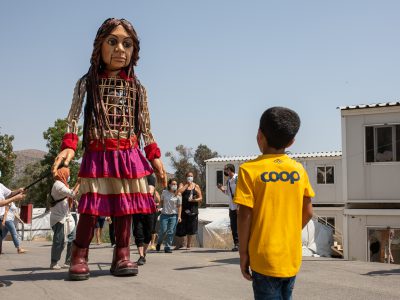
A little girl is walking alone from Syria to England. She is 11 feet and 6 inches tall.
Little Amal (Arabic for “hope”) is actually a giant puppet. She represents the thousands of refugee children who have been displaced from their home countries. This nine-year-old Syrian girl is now journeying from Turkey, across Europe, and to the U.K., as part of an 8,000 kilometer (5,000 mile) travelling festival titled The Walk.
At the end of July, Amal began her journey as a “refugee” in Gaziantep, Turkey, home to half a million Syrians. People holding lanterns aloft surrounded her, lighting up the night. As she moved through the streets, Amal reached out to balconies where children stood watching, and gently touched their hands as they smiled down at her. Orbs of light sparkled overhead, and a choir welcomed her with song. Many of the people participating in the street theater were themselves refugees.
Amal is now halfway through this theatrical journey created by Good Chance, a theater company founded in the Calais refugee camps in 2015, in collaboration with the Handspring Puppet Company. Communities in Turkey, Greece, and Italy, where she’s continued her journey, have found different ways to welcome her — sometimes with love, and sometimes with hostility. But how close is Amal’s experience to that of real refugee children?
Setting off in Turkey
The rest of Amal’s journey through Turkey was likewise filled with celebration and theatrical wonder.
In Adana, a flock of model birds accompanied her across the Taşköprü stone bridge, held up proudly on long sticks by both children and adults in the local community. She played with the children of Tarsus, who crowded in together for a chance to touch her hands. In the Kaleiçi Bazaar in Denizli, portraits of refugees who had journeyed through Turkey were projected onto walls as she appeared.
“I think the most common reaction is wonderment, followed by curiosity. People have been receiving her very warmly in many places,” says Amir Nizar Zuabi, artistic director of The Walk and Good Chance.
“One of the most astonishing things for me as artistic director on this project, was the true generosity and creativity that this evoked from people,” he says. “This project is only possible because of a network of thousands of people that have devoted time, energy, and their creativity to create these welcoming events along the way.”
Turkey is a poignant place for this journey to begin. It hosts the biggest population of refugees in the world. The “best interests of the child” principle, part of the United Nations Convention of the Rights of the Child, is enshrined into law here, which means that all unaccompanied young refugees must, in theory, be given suitable accommodation and a guardian. But according to the Asylum Information Database (AIDA), many children are in fact abandoned by the state which doesn’t offer the protections they are promised. AIDA has also pointed out the state sometimes appoints inappropriate guardians, such as people without the right qualifications, or who aren’t a relative, leaving refugee children with no other choice but to beg in the street.
Were Amal settling in Turkey, accessing education could also be a real problem. Approximately 400,000 Syrian children residing in the country are not receiving an education, according to Human Rights Watch and Turkey’s Ministry of Education,
Amal, however, is not settling in Turkey. On her last day in the country, she stood on the shores of Çesme as the sun set, ready to take a boat to Greece. In these waters, many refugees like her have lost their lives. Zuabi commented on the potency of that moment, as Amal looked into the horizon, almost motionless.
Hostility in Greece
Little Amal’s journey in Greece was, at times, quite tumultuous. It began with music, with a whole community arriving to meet her off the boat in Chios and welcome her with song. But in other towns, she faced fury.
“In a city called Larissa in Greece, she became a symbol of the refugee problem, she was shouted at and even violently attacked,” says Zuabi. Protesters threw stones at Amal. And in Meteora, people voted to ban Amal from walking through their village, because they did not want a Muslim child walking through a Greek Orthodox space. More violence was threatened against Amal in other towns and villages along her route.
“From that moment, her appearances in Greece created a strong sense of solidarity. I think the reaction she induces is specific to the context of the country we are in, and even more specific to the city and the population we meet,” Zuabi says. “One thing I know for sure is that nobody stays indifferent.”
In spite of the threats against Amal, people still came together to welcome her in Athens. While some events had to be cancelled, Amal took to a rooftop in Athens to meet locals. From this vantage point, Zuabi says, he could see people wiping tears from their eyes. On the Walk With Amal Instagram account people responded to the video of the violence with an outpouring of love and solidarity—more than double the number of comments than their other popular videos. There were messages like, “I'm so proud that I walked with you Amal, hand in hand with my children!” and “We want to welcome you, celebrate you and keep you safe.”
In Ioannina, Amal walked between the Katsikas refugee camp and the city centre. In the camp, Zuabi says there was a sense of pride; people felt celebrated. As she walked on, the local community presented lightboxes filled with messages of hope: “You are our rainbow” and “Step by step,” they said.
When unaccompanied minors arrive in Greece, they are detained in reception centres until they’ve been processed and a place in a shelter found for them, but backlogs mean they can be left waiting for months. Their accommodation is often unsuitable, and spaces are limited. Human Rights Watch has witnessed young people living amongst the general population of Greece’s Moria Camp, because the areas designated for children are beyond capacity. Some children have to fend for themselves, sometimes sleeping in the open despite the fact that, under Greek law, unaccompanied children should be placed in safe accommodations and placed under guardianship.
Irida Pandiri is responsible for shelters for unaccompanied minors through her work with the Association for the Social Support of Youth (ARSIS), a Greek NGO that assists young people in difficulty or danger. She says the larger reception centres in which people are detained are simply not appropriate for children, in part because they cannot leave the facilities to go to school. Meanwhile, the guardianship promised to these young people is not provided.
“Guardianship, it is almost a joke in Greece,” she says. “When they are in the detention facilities, there are no guardians.” This, for ARSIS, is a crucial issue. Education is also a major problem, with Greek schools often reluctant to register refugee children; even in cases where registration is possible, Covid restrictions often prevent them from leaving the camp to attend.
In order to make it to these reception centres, young refugees must come face-to-face with authorities hoping to send them back to Turkey. Their “welcome” to Greece is full of violence: their belongings are confiscated and they are frequently turned away, in clear violation of their human rights. Many such experiences have been documented by organizations like the Border Violence Monitoring Network and Refugee Rights Europe.
Just as the response to Amal’s reception in Greece was mixed, so has ARSIS found its ability to do its work challenged by uneven support in various communities.
“In the years since 2017-2018, in the areas where we are trying to establish shelters, unfortunately, the communities weren’t so welcoming,” Pandiri says.
But ARSIS continues to support young refugees as best it can. The organization has eight centres for unaccompanied children across Greece, and they operate safe zones in some of the larger camps. Other NGOs also offer child protection services, legal advice, and recreational activities.
As Amal took her final steps in Greece toward Piraeus Port, she was guided by more singing and live music. The protests in Greece were loud, but the welcome was louder.
Walking through Italy
Little Amal is now walking through Italy. She arrived in Bari, where an Italian nonna, or grandmother, arrived to give her guidance. This nonna, a puppet just a few inches shy of Amal’s height, pulled her for a hug and imparted upon her some words of wisdom.
[caption id="attachment_3195" align="aligncenter" width="640"]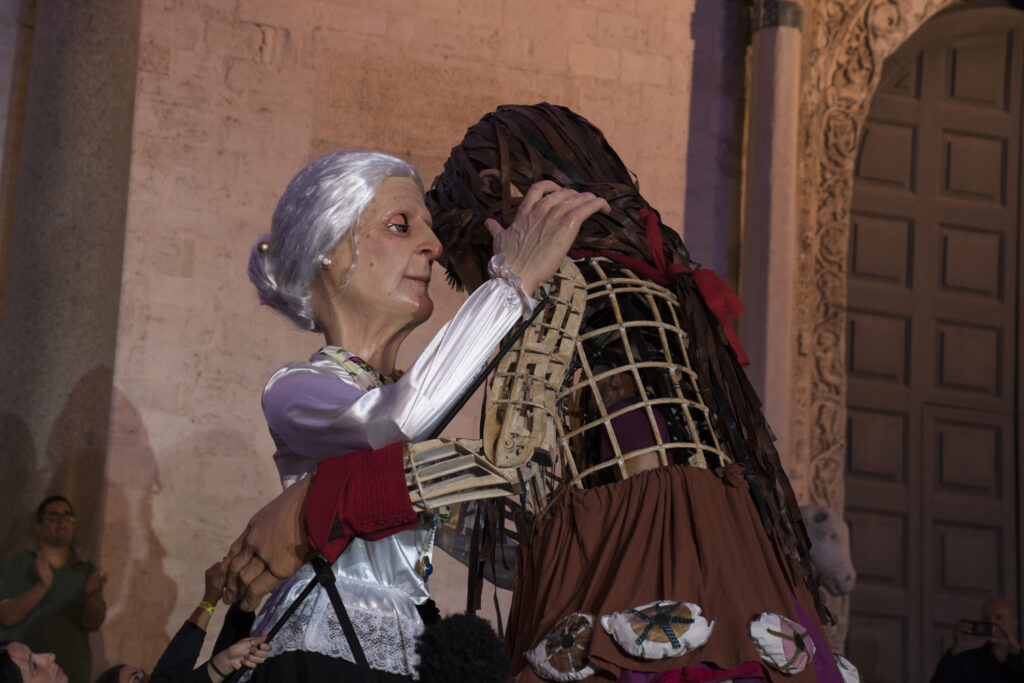 Little Amal greeted by an Italian nonna, or grandmother, in Bari, Italy.[/caption]
Italy has welcomed Amal warmly, but this experience might be far from the reality for actual young refugees. Andrea Costa is president of Baobab Experience, an organization supporting displaced people who have arrived in Italy. The organization is also a humanitarian partner of The Walk.
“Italy—and I’m very sad to say this, because I love my country—is changing,” Costa said. Although it has traditionally welcomed foreigners, negative media coverage of migration and the rise of far-right politicians have led to a changed country, he said, adding: “It's pretty difficult for unaccompanied minors to make their way in Italy.”
In Italy, solidarity with refugees has now been criminalized in a number of ways. In June 2019, Italy banned NGOs from carrying out search and rescue operations. In the area of Ventimiglia, several people have been charged for giving food to refugees, after a municipal decree outlawed the practice.
“Before, people felt ashamed to be racist,” said Costa. But now, people who want to help refugees must do so surreptitiously.
Like Turkey and Greece, Italy has policies and procedures in place that are designed to protect unaccompanied children. They are given a permit to remain until they are 18 years old. They can’t be pushed back to other countries, they must be accommodated, and they cannot be detained.
But in practice, these rights aren’t always respected. As the coronavirus pandemic swept through Italy, the government used private ships to quarantine incoming refugees. According to a report from the Italian Association for Juridical Studies on Immigration (ASGI), some children were held on these ships for 10-15 days (although some people report this is far longer) before their ages were assessed. Human Rights Watch reported that children were being illegally pushed back from Italy to Greece, another abuse of rights. These are young people who have most likely already faced tremendous trauma.
Costa describes Italy as a transit country for refugees. While many young people choose to move through the country rather than claim asylum, they are at risk.
“We have an extremely high number of unaccompanied minors who don't want to stay in Italy, but want to go directly to France, to Germany, to Holland, to Belgium, because they know that even for minors, just like for all the other migrants, it's much better organized in other European countries,” Costa said.
According to Human Rights Watch, many young refugees cite a lack of access to education and poor reception upon arrival in Italy as influencing them to move onto other countries instead.
Baobab Experience is an organization composed of volunteers who care for young people at risk of falling into the hands of smugglers or human traffickers while they’re in Italy. They make sure these refugees have somewhere to sleep, something to eat, and are clothed. Recently, they joined a network of organizations helping to create safe passages so that, if those young people do choose to cross borders, trusted organizations can help on the other side, including in finding travel tickets at the best prices, rather than turning to smugglers.
But there is another problem for unaccompanied minors in Italy—a cruel gift on their 18th birthday. As they make the difficult transition into adulthood, far from their home country and family, they are no longer guaranteed accommodation. Many of them lack the skills to make their way safely in the world, with no access to language or professional skills.
“There are a lot of young people that really lose important years of their lives,” Costa says. This is why Baobab Experience provides English and Italian courses for young people.
Despite all this, Costa remains optimistic about the future of refugees in Italy. He’s seen a change in younger Italians, who seem to be more understanding about their plight. Perhaps a new, more welcoming Italy is on the horizon.
Meanwhile, Amal is continuing her journey through Italy, before she crosses into France. She’s just finished exploring the ancient landmarks of Rome; in Vatican City Pope Francis met with Amal, along with the children accompanying her on this leg of the journey.
Amal’s welcome across Turkey, Greece, and Italy varied from country to country and village to village. Like the refugees whose experiences she’s enacting, Amal’s journey has only begun. Her last stop is the U.K., where the government is currently pushing through legislation called the borders and nationalities bill, which would deny asylum or aid to any refugee who enters the country through an unofficial port of entry—for example, by crossing the channel in a small boat. Under the provisions of the bill, Afghan refugees forced to escape from the Taliban could be jailed in the U.K. because they reached the country by routes that the U.K. government has decided are “illegal”—although, according to international law, there is no such thing as an illegal asylum seeker. What kind of welcome can Amal expect when she arrives in October?
In spite of the government proposals, many British communities promise a warm welcome to Amal and to refugee children. Camden Town has planned a birthday party for Amal, while several choirs will sing for her in the port town of Folkestone on the day she arrives in the U.K.. Anti-refugee sentiment has become more pronounced since Brexit, but many people have also become more vocal about their support for refugees. In the face of racism, changing government policy, and dehumanizing tabloid headlines, compassionate communities are needed more than ever.
[post_title] => This is Little Amal, the puppet refugee girl on a European odyssey
[post_excerpt] => Ferried from country to country by volunteer puppeteers, Little Amal has been greeted by choirs and dancers. In Vatican City, she was greeted by Pope Francis.
[post_status] => publish
[comment_status] => closed
[ping_status] => open
[post_password] =>
[post_name] => this-is-little-amal-the-puppet-refugee-girl-walking-8000-kilometers-across-europe
[to_ping] =>
[pinged] =>
[post_modified] => 2024-08-28 21:15:12
[post_modified_gmt] => 2024-08-28 21:15:12
[post_content_filtered] =>
[post_parent] => 0
[guid] => https://conversationalist.org/?p=3193
[menu_order] => 177
[post_type] => post
[post_mime_type] =>
[comment_count] => 0
[filter] => raw
)
Little Amal greeted by an Italian nonna, or grandmother, in Bari, Italy.[/caption]
Italy has welcomed Amal warmly, but this experience might be far from the reality for actual young refugees. Andrea Costa is president of Baobab Experience, an organization supporting displaced people who have arrived in Italy. The organization is also a humanitarian partner of The Walk.
“Italy—and I’m very sad to say this, because I love my country—is changing,” Costa said. Although it has traditionally welcomed foreigners, negative media coverage of migration and the rise of far-right politicians have led to a changed country, he said, adding: “It's pretty difficult for unaccompanied minors to make their way in Italy.”
In Italy, solidarity with refugees has now been criminalized in a number of ways. In June 2019, Italy banned NGOs from carrying out search and rescue operations. In the area of Ventimiglia, several people have been charged for giving food to refugees, after a municipal decree outlawed the practice.
“Before, people felt ashamed to be racist,” said Costa. But now, people who want to help refugees must do so surreptitiously.
Like Turkey and Greece, Italy has policies and procedures in place that are designed to protect unaccompanied children. They are given a permit to remain until they are 18 years old. They can’t be pushed back to other countries, they must be accommodated, and they cannot be detained.
But in practice, these rights aren’t always respected. As the coronavirus pandemic swept through Italy, the government used private ships to quarantine incoming refugees. According to a report from the Italian Association for Juridical Studies on Immigration (ASGI), some children were held on these ships for 10-15 days (although some people report this is far longer) before their ages were assessed. Human Rights Watch reported that children were being illegally pushed back from Italy to Greece, another abuse of rights. These are young people who have most likely already faced tremendous trauma.
Costa describes Italy as a transit country for refugees. While many young people choose to move through the country rather than claim asylum, they are at risk.
“We have an extremely high number of unaccompanied minors who don't want to stay in Italy, but want to go directly to France, to Germany, to Holland, to Belgium, because they know that even for minors, just like for all the other migrants, it's much better organized in other European countries,” Costa said.
According to Human Rights Watch, many young refugees cite a lack of access to education and poor reception upon arrival in Italy as influencing them to move onto other countries instead.
Baobab Experience is an organization composed of volunteers who care for young people at risk of falling into the hands of smugglers or human traffickers while they’re in Italy. They make sure these refugees have somewhere to sleep, something to eat, and are clothed. Recently, they joined a network of organizations helping to create safe passages so that, if those young people do choose to cross borders, trusted organizations can help on the other side, including in finding travel tickets at the best prices, rather than turning to smugglers.
But there is another problem for unaccompanied minors in Italy—a cruel gift on their 18th birthday. As they make the difficult transition into adulthood, far from their home country and family, they are no longer guaranteed accommodation. Many of them lack the skills to make their way safely in the world, with no access to language or professional skills.
“There are a lot of young people that really lose important years of their lives,” Costa says. This is why Baobab Experience provides English and Italian courses for young people.
Despite all this, Costa remains optimistic about the future of refugees in Italy. He’s seen a change in younger Italians, who seem to be more understanding about their plight. Perhaps a new, more welcoming Italy is on the horizon.
Meanwhile, Amal is continuing her journey through Italy, before she crosses into France. She’s just finished exploring the ancient landmarks of Rome; in Vatican City Pope Francis met with Amal, along with the children accompanying her on this leg of the journey.
Amal’s welcome across Turkey, Greece, and Italy varied from country to country and village to village. Like the refugees whose experiences she’s enacting, Amal’s journey has only begun. Her last stop is the U.K., where the government is currently pushing through legislation called the borders and nationalities bill, which would deny asylum or aid to any refugee who enters the country through an unofficial port of entry—for example, by crossing the channel in a small boat. Under the provisions of the bill, Afghan refugees forced to escape from the Taliban could be jailed in the U.K. because they reached the country by routes that the U.K. government has decided are “illegal”—although, according to international law, there is no such thing as an illegal asylum seeker. What kind of welcome can Amal expect when she arrives in October?
In spite of the government proposals, many British communities promise a warm welcome to Amal and to refugee children. Camden Town has planned a birthday party for Amal, while several choirs will sing for her in the port town of Folkestone on the day she arrives in the U.K.. Anti-refugee sentiment has become more pronounced since Brexit, but many people have also become more vocal about their support for refugees. In the face of racism, changing government policy, and dehumanizing tabloid headlines, compassionate communities are needed more than ever.
[post_title] => This is Little Amal, the puppet refugee girl on a European odyssey
[post_excerpt] => Ferried from country to country by volunteer puppeteers, Little Amal has been greeted by choirs and dancers. In Vatican City, she was greeted by Pope Francis.
[post_status] => publish
[comment_status] => closed
[ping_status] => open
[post_password] =>
[post_name] => this-is-little-amal-the-puppet-refugee-girl-walking-8000-kilometers-across-europe
[to_ping] =>
[pinged] =>
[post_modified] => 2024-08-28 21:15:12
[post_modified_gmt] => 2024-08-28 21:15:12
[post_content_filtered] =>
[post_parent] => 0
[guid] => https://conversationalist.org/?p=3193
[menu_order] => 177
[post_type] => post
[post_mime_type] =>
[comment_count] => 0
[filter] => raw
)


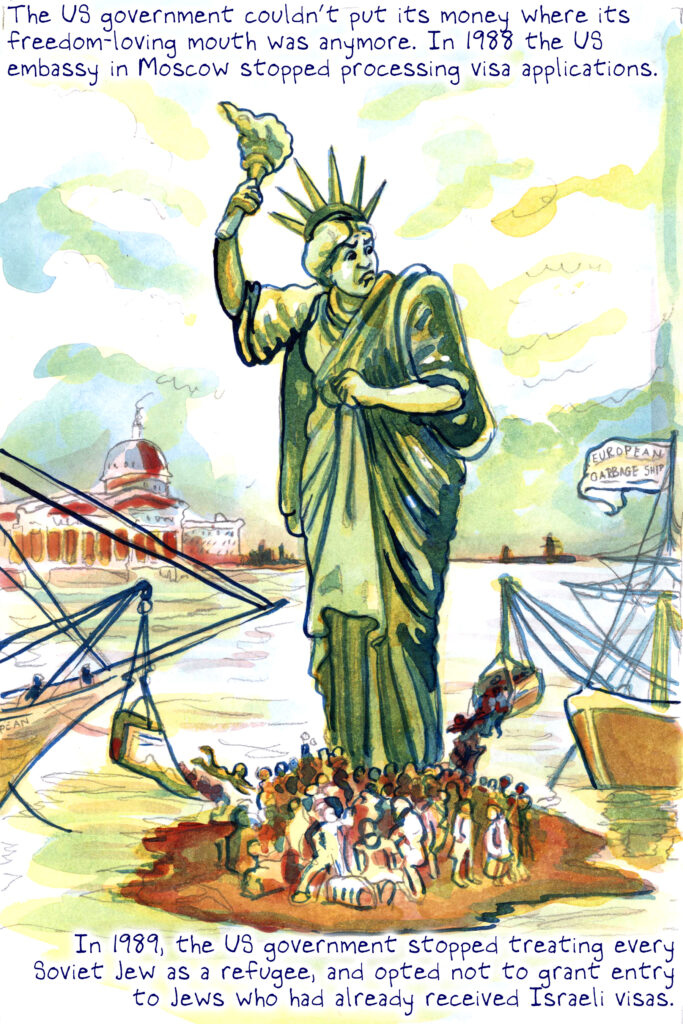
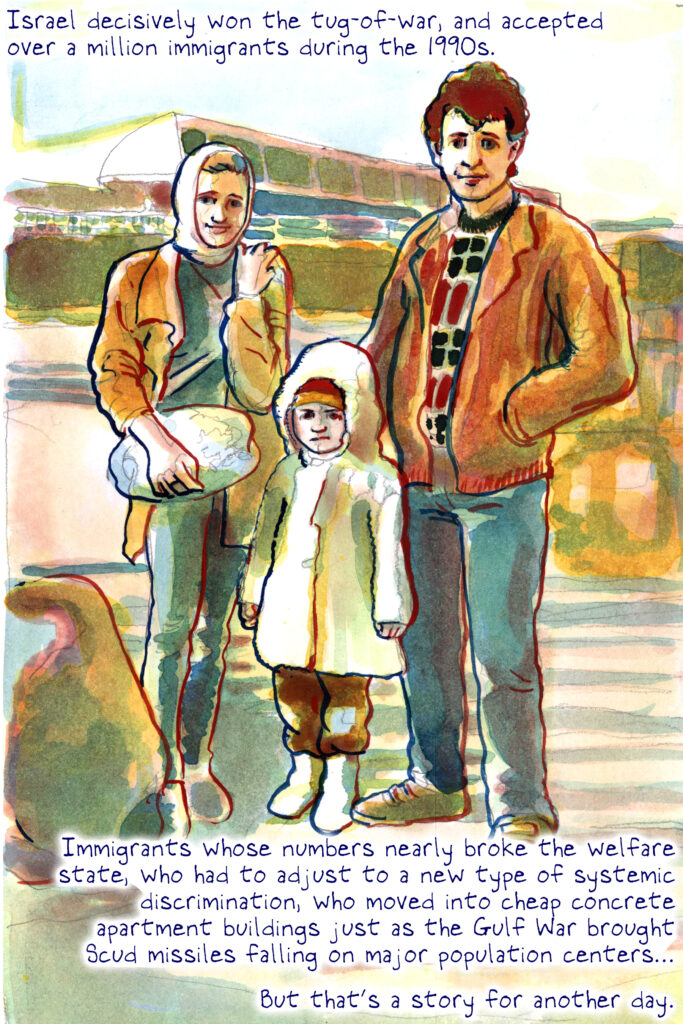 [post_title] => How the Soviet Jews changed the world: a graphic tale of tragedy and triumph
[post_excerpt] => Soviet Jews played a critical role in the history of the USSR and, by extension, the trajectory of the Cold War and the history of the twentieth century.
[post_status] => publish
[comment_status] => closed
[ping_status] => open
[post_password] =>
[post_name] => how-the-soviet-jews-changed-the-world-a-graphic-tale-of-tragedy-and-triumph
[to_ping] =>
[pinged] =>
[post_modified] => 2024-08-28 21:15:13
[post_modified_gmt] => 2024-08-28 21:15:13
[post_content_filtered] =>
[post_parent] => 0
[guid] => https://conversationalist.org/?p=3053
[menu_order] => 186
[post_type] => post
[post_mime_type] =>
[comment_count] => 0
[filter] => raw
)
[post_title] => How the Soviet Jews changed the world: a graphic tale of tragedy and triumph
[post_excerpt] => Soviet Jews played a critical role in the history of the USSR and, by extension, the trajectory of the Cold War and the history of the twentieth century.
[post_status] => publish
[comment_status] => closed
[ping_status] => open
[post_password] =>
[post_name] => how-the-soviet-jews-changed-the-world-a-graphic-tale-of-tragedy-and-triumph
[to_ping] =>
[pinged] =>
[post_modified] => 2024-08-28 21:15:13
[post_modified_gmt] => 2024-08-28 21:15:13
[post_content_filtered] =>
[post_parent] => 0
[guid] => https://conversationalist.org/?p=3053
[menu_order] => 186
[post_type] => post
[post_mime_type] =>
[comment_count] => 0
[filter] => raw
)

 A Dick Captured by the FSB, 2010, Liteiny Bridge, St. Petersburg. (photo: Voina)[/caption]
 Childish Gambino (This is America, screencap)[/caption]
 Landscape by Arkadiy Aktsynov and Lyudmila Aktsynova, 1962. Oil and cardboard.[/caption]
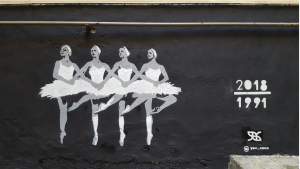 Swan Lake graffiti by
 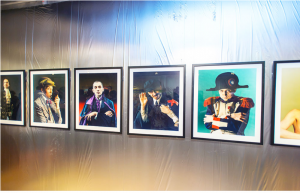 Russian Questions and Life of Marvellous Monroes shining with gold and silver foil. (New Museum)[/caption]