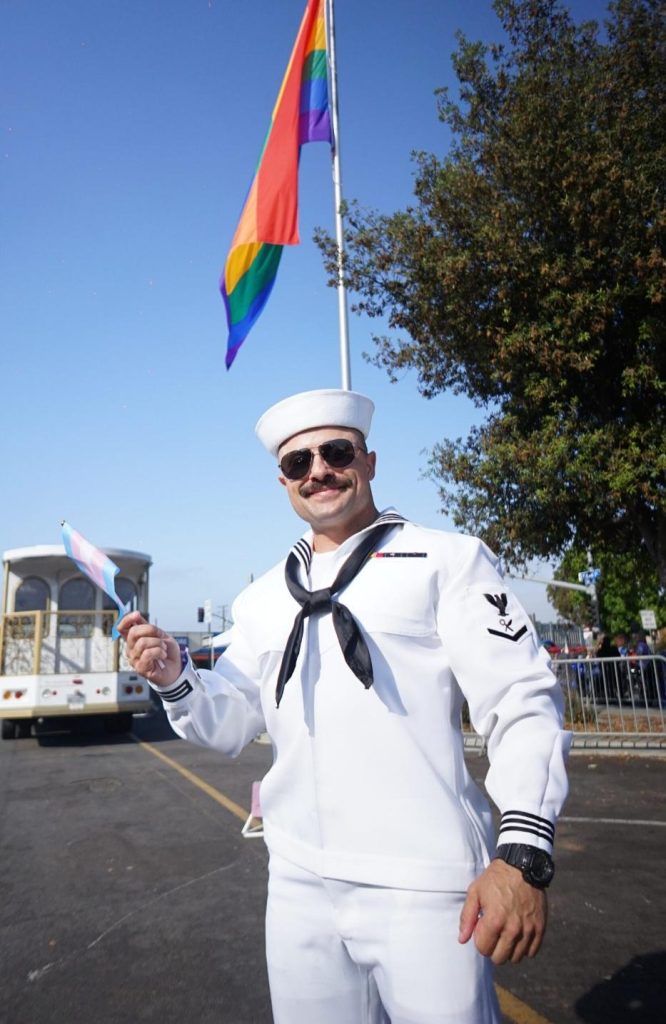
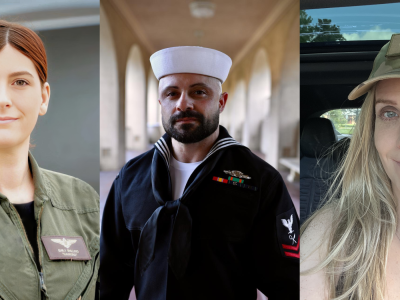
Three trans service members speak out on the military ban, and the rise of transphobia in the United States.
I met Commander Emily Shilling in April 2024 during a Lesbian Visibility Week panel celebrating LGBTQ+ women in leadership. I immediately found her both warm and intriguingly different. When I asked if she had ever flown upside down, the absurdity of posing such a question to a Navy test pilot sparked laughter, and a friendship.
After Trump’s reelection and his vow to reinstate a ban on transgender military service, my filmmaking partner Rivkah Beth Medow and I knew we had to respond. The growing anti-trans narrative wasn’t just a culture war skirmish, it was a symptom of something deeper and more dangerous: a coordinated effort to undermine democratic norms by turning vulnerable groups into political targets. We reached out to Emily, who saw our project as a way to turn a dark moment into a new mission: protecting her troops. When she shared that she’d voted for Trump in 2016 before coming out as trans, we all recognized how potent—and powerful—her story arc could be.
We initially intended to make a short film centered on Emily’s experience, but it became clear that there was a bigger story to be told. Emily has always understood the power of storytelling, and through her leadership role and deep respect in the trans military community, she connected us with several compelling voices across all branches of service.
Alongside Emily, we cast Navy Petty Officer Paulo Batista and Army National Guard Chief Warrant Officer Jo Ellis for a feature documentary, Fighting Forward. The film follows these three trailblazing transgender service members as they continue to navigate career threats, legal battles, and rising political hostility. And yet, despite this constant onslaught, one of our most interesting discoveries as the project has progressed is that each of our heroes remains completely committed to serving their country. Each, too, has taken a completely unique path in moving forward.
This kind of service—steadfast, principled, and often invisible—is precisely what democracy requires to survive. But the attacks on LGBTQ+ rights, especially within government institutions like the military, are not isolated. They are part of a broader attempt to consolidate power by eroding the rights of those who don’t conform to a narrow, exclusionary vision of America. Efforts to push trans people out of public life, out of service, and out of legal recognition are not just discriminatory—they are anti-democratic. They chip away at the very idea of equal citizenship.
Equally chilling is the growing political rhetoric around using the U.S. military to "fight crime" in so-called "Democrat-run cities." Deploying the military against our own citizens, especially in diverse urban areas that overwhelmingly vote for progressive policies, is a direct threat to democratic governance. It weaponizes fear to justify the erosion of civil liberties and the silencing of dissent. This is precisely why it matters who serves in the military, who leads it, and whether or not they believe in the rights of all Americans: When the military is redirected to silence dissent at home, it stops defending democracy, and starts dismantling it.
Rivkah and I believe wholeheartedly in everyone’s right to belong. While we chafe at the military’s hierarchical system, feel appalled by their budget allocations, and are devastated by the environmental and human cost of war, if we have a military, then we want it to be representative of the country that military is fighting for. Not because of “woke ideology,” but because inclusion reflects democracy; and without it, we risk losing the very principles this country claims to defend.
The best way we know to shift culture is through telling nuanced stories amplified through impact campaigns that spark transformative conversations, policy change, and solidarity. While making this film, we’ve been surprised to find a strain of patriotism rising in us. It’s of an abolitionist and civil rights provenance, aligned with hope of what our democracy can possibly be. With the world around us on fire, both literally and figuratively, Fighting Forward has offered us a concrete way to challenge stereotypes, clarify misconceptions, and seed the culture we want for the United States.
~
Disclaimer:These interviews have been edited and condensed for length and clarity. The opinions expressed reflect the personal views of those interviewed, and do not necessarily reflect those of the U.S. Military or Department of Defense.
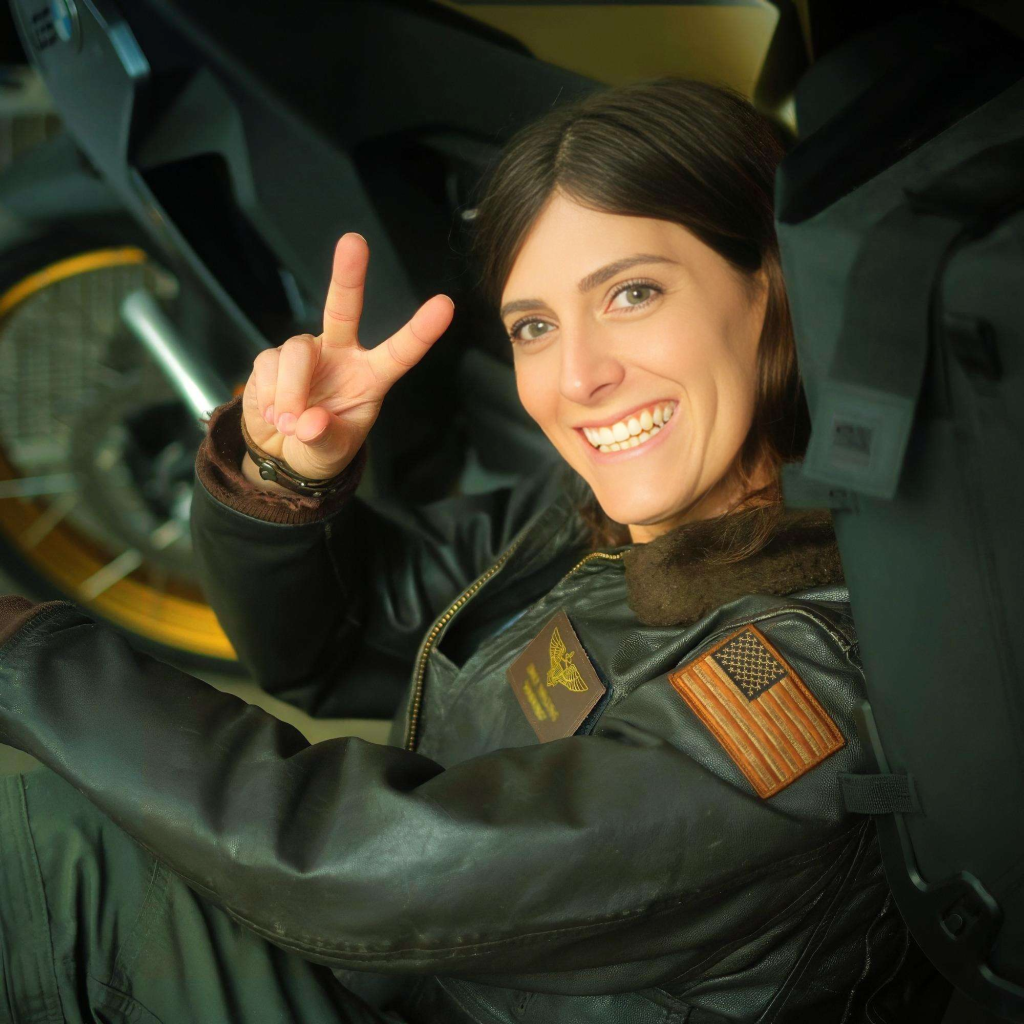
Navy Commander Emily "Hawking" Shilling
Photo courtesy of Emily Shilling.
Why did you first enlist?
The Navy’s motto at the time was “A Global Force for Good,” and I believed it, wholeheartedly. I believed in service, in being part of something bigger than myself. I couldn’t imagine sitting on the sidelines when I had the ability and the drive to make a difference. So I chose adventure, to stand and fight for all those who couldn’t. Maybe it was naive, or self-aggrandizing for the scrawny nerd I was, but I believed the worst sin of all is to do nothing in the face of evil.
What does it signal more broadly that trans people are now banned from joining the military?
It’s a betrayal of the very ideals the military claims to uphold. We say we’re a merit-based force, one where what matters is your capability, your integrity, your commitment. When we start disqualifying people simply because of who they are, we’ve abandoned that principle. If identity, not performance, is grounds for exclusion, where does that line stop? It's not just unjust. It's dangerous. The military must be made up of the people it swears to protect; otherwise, those that are different tend to become the unprotected.
What do you want people to know about the ban, how it’s impacting you, and what it means for the U.S.?
I want America to understand this isn’t abstract, it’s affecting real people, with real lives, families, and responsibilities. I’ve worn the uniform for over two decades. I’ve deployed in combat. I’ve led teams and flown missions that mattered. And now, people like me—qualified, capable Americans, patriots—are being told we’re not welcome, not because of performance, but because we were brave enough to say who we are. That should alarm every citizen. This ban doesn’t just hurt trans people, it undermines the strength of our military and the values we claim to defend. A country that believes in liberty and justice for all shouldn’t be in the business of telling patriots they’re not allowed to serve if they don’t match the reigning political party’s “perfect mold”.
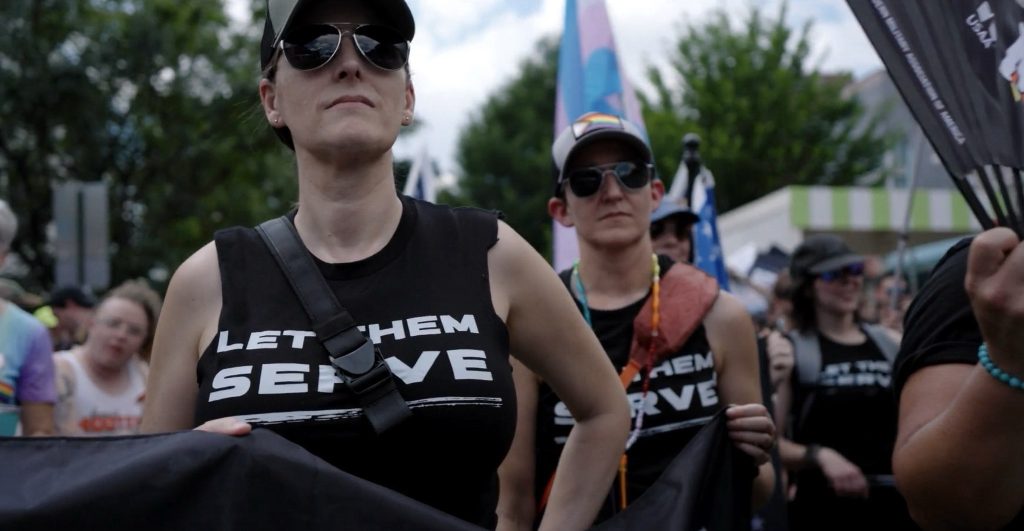
Emily (foreground) with her wife, Amanda. Photo courtesy of Emily Shilling.
What, if anything, is giving you hope right now?
I find hope in those who refuse to accept silence as safety. People are organizing, speaking out, pushing back against the narrative that some of us are less worthy of dignity or service. Your voice matters.
I find hope in my fellow service members and veterans, who are standing together in solidarity. Many of them have seen what leadership really means, and they know it has nothing to do with gender or politics and everything to do with integrity, skill, and trust.
I find hope in how many people outside of uniform are waking up to what’s happening. They’re realizing this isn’t just about trans people, it’s about whether we will be a nation that honors its promises, and continues to fight for the dream of a more perfect union.
And personally, I find hope in simply still being here, able to speak the truth out loud, to show up for others, and to remind people that we’ve been through dark times before and when we have organized, when we have stayed loud and connected and human, we have never lost. And, if we have the moral courage to fight, we will win this time, and every time.
What can readers do to support trans service members?
1. Raise your voice. Contact your elected officials. Let them know you oppose discrimination in the military and support open service. They do pay attention to public sentiment, and silence helps no one.
2. Challenge misinformation. Whether at your dinner table or your workplace, don’t let transphobia or fear-mongering go unchecked. Educate yourself, then share accurate, humanizing stories, especially about those who serve.
3. Support organizations doing the work. Groups like SPARTA, Modern Military Association of America (MMAA), and Minority Veterans of America (MVA) are fighting daily for the rights, recognition, and safety of LGBTQ+ service members and veterans. Donations, signal-boosting, and volunteering all help.
4. Connect and care. If you know a trans service member, reach out. Let them know you see them, support them, and appreciate their service. It’s not always about grand gestures; sometimes, the quiet affirmation that we’re not alone gets us through.
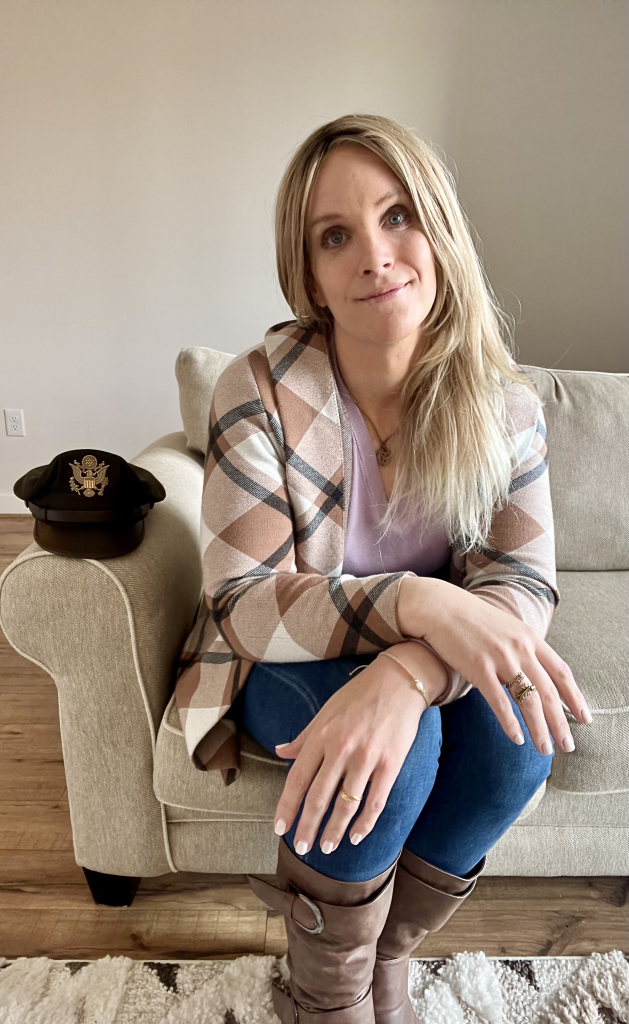
Army National Guard Chief Warrant Officer Jo Ellis
Photo courtesy of Jo Ellis.
Why did you first enlist?
I wanted to serve my country. Service is in my blood. I’m a patriot and I come from a family of military service.
What does it signal more broadly that trans people are now banned from joining the military?
It means our country will lose out on patriots like me who volunteered to sacrifice for the country. It means instead of a military based on meritocracy, it’s now a military based on political ideology. Instead of selecting the best person for the job, we are excluding an entire category of people for no justified reason. It’s pure animus. Service members were told they could serve openly and now we are being punished for coming out under a previous administration.
What do you want people to know about the ban, how it’s impacting you, and what it means for the U.S.?
Thousands of deployable service members are being purged from the military without regard to readiness, cost, or experience. Service members are being sent home from deployments, command positions vacated without replacements, and no plan to recoup qualified personnel. We can’t shortcut a decade-plus of military experience.
Photo courtesy of Jo Ellis.
What, if anything, is giving you hope right now?
I believe in the great experiment that is the United States. We can be better. It’s not big percentages that make the difference in this country. It’s in the margins. 1%. 1% better each day. It’s the aggregation of marginal gains that lead to exponential results. Maybe that’s quixotic, maybe I’m the greater fool. I’ll wear those as a badge of honor. This country was founded by greater fools.
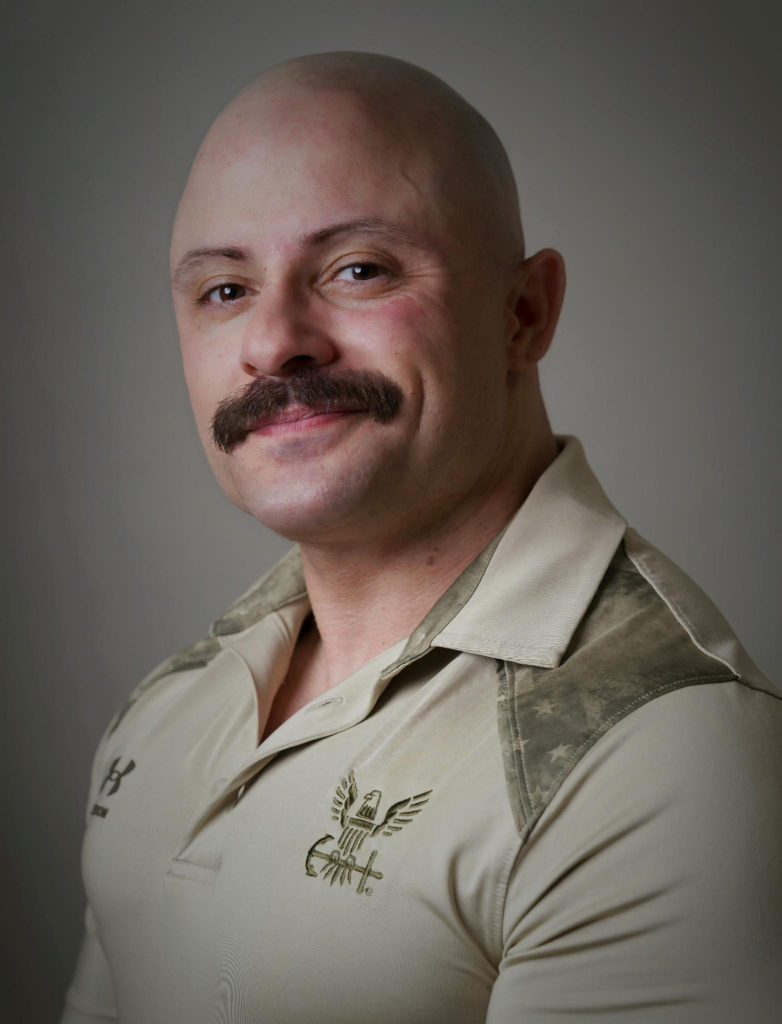
Navy Petty Officer 2nd Class Paulo Batista
Photo courtesy of Paulo Batista.
Why did you first enlist?
I enlisted because it was a dream since high school to serve in the military, inspired my by older brother who served for 20 years in the Air Force. Due to the "Don't Ask, Dont Tell" policy and me becoming my father's caretaker after high school, I could not join right away and had to wait until later in life.
What does it signal more broadly that trans people are now banned from joining the military?
It means military readiness will be affected. Many transgender military service members play a vital role in all branches. We are enlisted to officers, and removing us from our jobs will leave gaps in many areas, including deployments. The military will lose great leaders with experience in their areas of expertise that cannot be replaced easily.
What do you want people to know about the ban, how it’s impacting you, and what it means for the U.S.?
That being transgender in the military does not affect military readiness. We meet the requirements and standards implemented to service our country. However, more importantly, transgender service members have been serving for decades in the military, making our military more effective.
Unfortunately, per the new policy, thousands of effective service members, including non-transgender members, will be affected. It's a domino effect when the gap is created. Pulling a transgender service member from their job means that other service members will have to cover down for that unmanned position, ultimately causing more stress on the other service members by making them work longer or go on longer deployments, thus taking service members away from their families and causing more strain on other service members and their families, declining military readiness instead of increasing it.
Furthermore, the ban causes harm to all the transgender service members due to the DD214 [Certificate of Release or Discharge from Active Duty] rating that the policy implements, giving a rating that ultimately labels transgender service members a national security threat, thus affecting our futures and ability to continue our careers, even though we all served our country with honor, courage, and true bravery.
Photo courtesy of Paulo Batista.
What, if anything, is giving you hope right now?
The one thing that gives me the greatest hope is my community and trans siblings. Seeing others standing tall and seeing the ones who tell me they get hope from seeing me stand loud and proud against the current environment instead of going quiet.
What can readers do to support trans service members and veterans?
If allies and friends are looking to help, the best ways start with reaching out to their representatives and congressional offices. Helping influence their decisions is vital, as that is the way to make the changes we need. Otherwise, I would say be a voice for transgender service members when we cannot speak. We are a limited number of voices, and need a vast audience to spread the correct information and hopefully educate the ones who are willing to listen.
[post_title] => "I Find Hope in Simply Still Being Here"
[post_excerpt] => Three trans service members speak out on the military ban, and the rise of transphobia in the United States.
[post_status] => publish
[comment_status] => closed
[ping_status] => closed
[post_password] =>
[post_name] => transgender-military-ban-lgbtq-trans-rights-equality-veterans-service-members-interview-emily-hawking-jo-ellis-paulo-batista
[to_ping] =>
[pinged] =>
[post_modified] => 2025-11-11 05:38:38
[post_modified_gmt] => 2025-11-11 05:38:38
[post_content_filtered] =>
[post_parent] => 0
[guid] => https://conversationalist.org/?p=9582
[menu_order] => 0
[post_type] => post
[post_mime_type] =>
[comment_count] => 0
[filter] => raw
)